Featured Industrial & Analytical Quartz Assemblies
Engineered in Donghai County, China's crystalline hub, our fused silica components satisfy exacting mechanical, thermal, and optical tolerances for mission-critical deployments throughout France and the European Union.


Engineering Fused Silica Solutions for the Greater Bordeaux Market
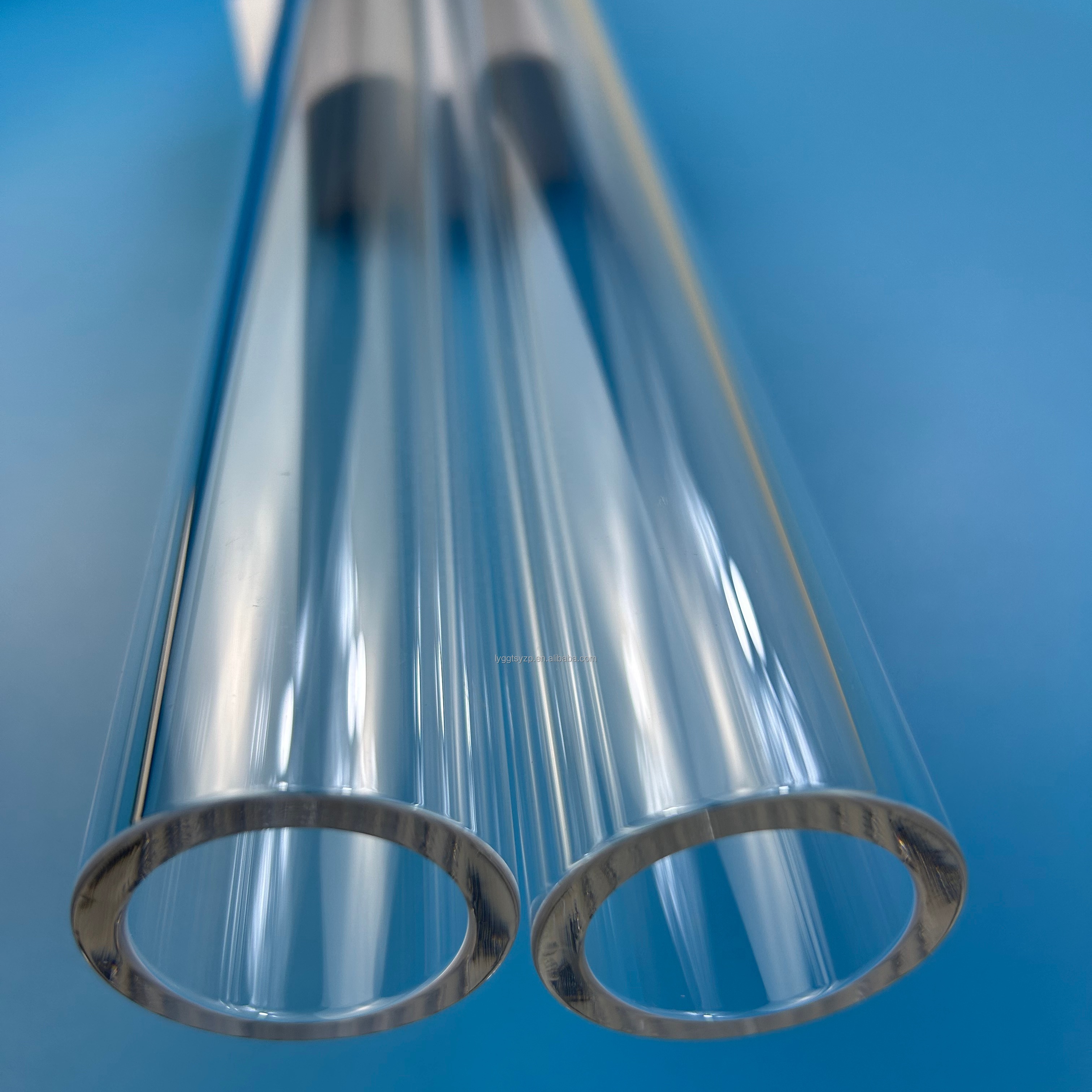
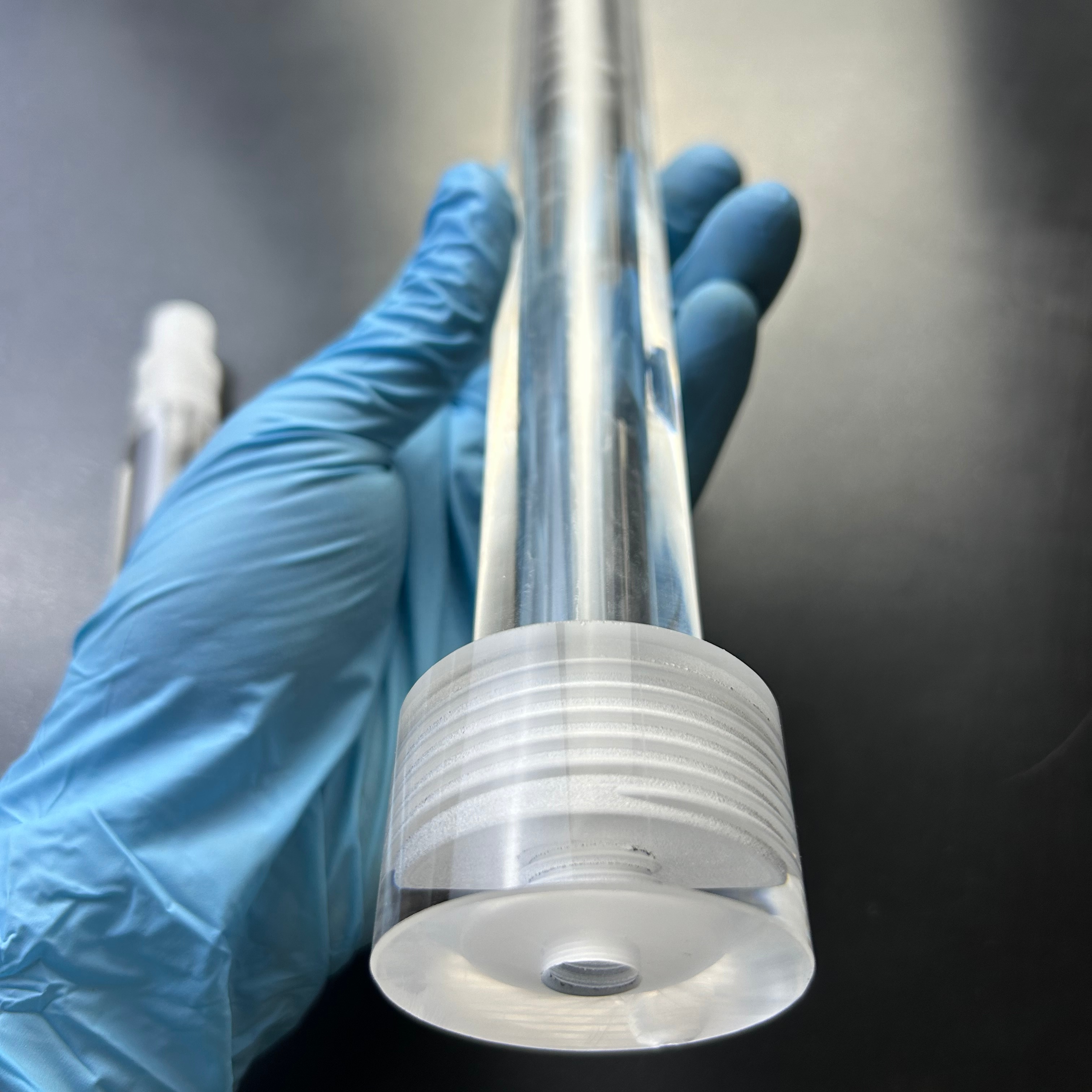
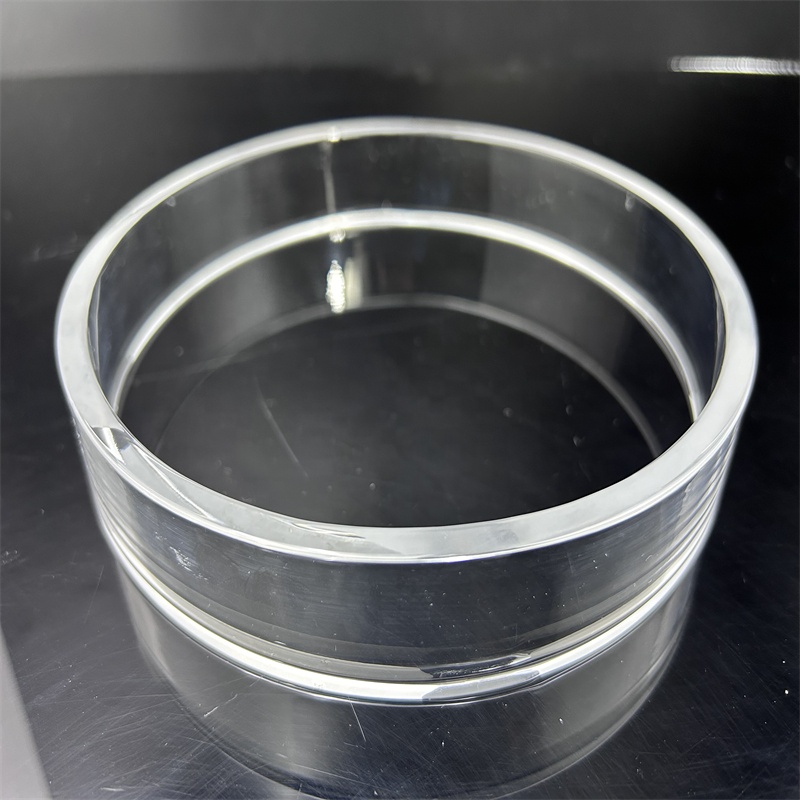
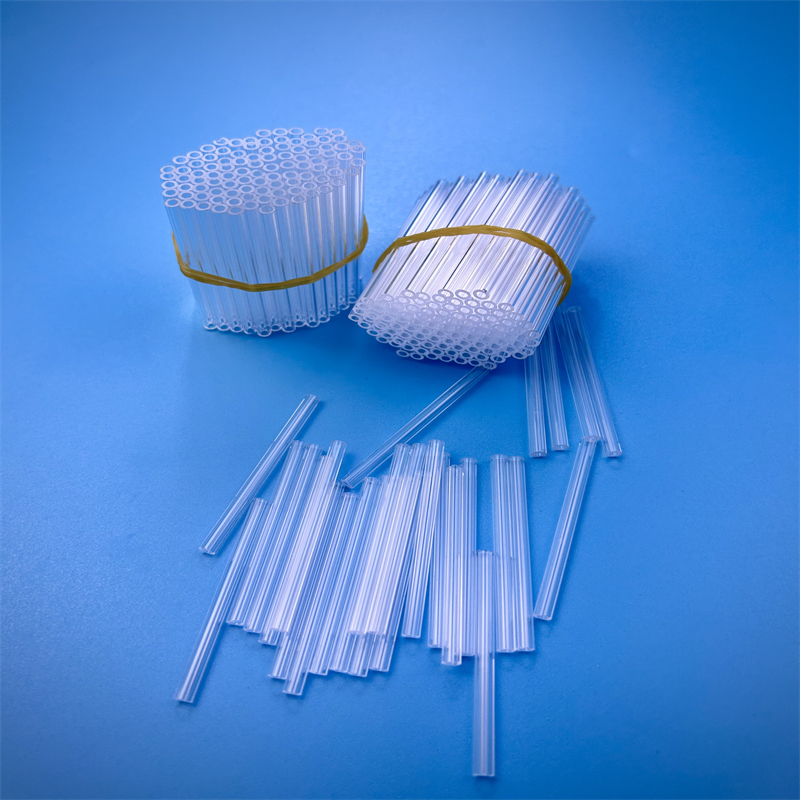
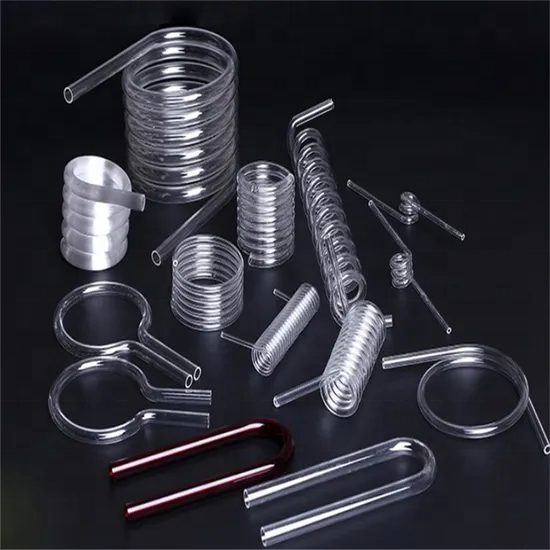
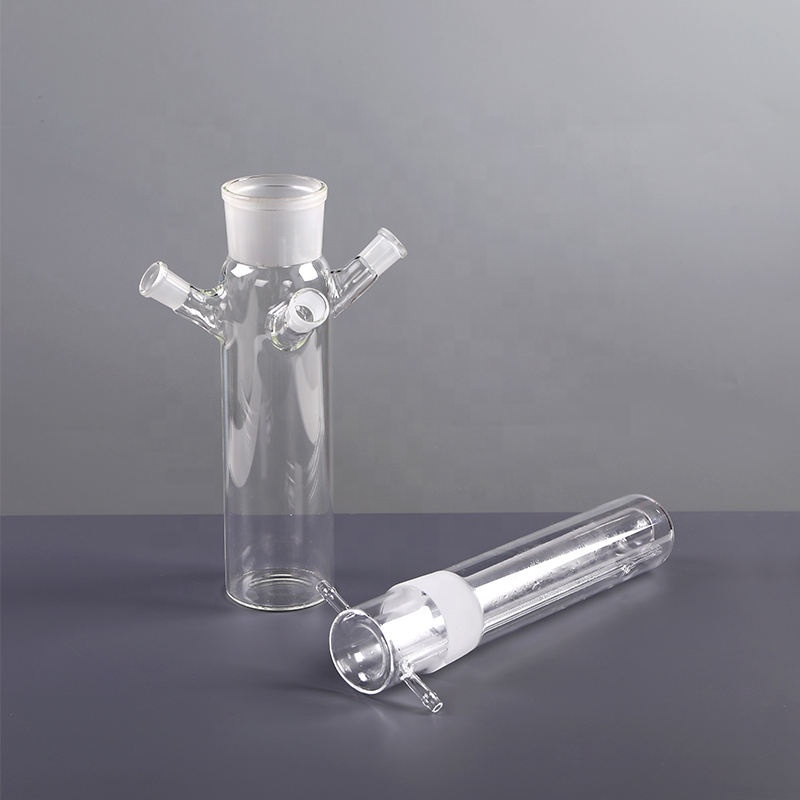
Bordeaux and the broader Nouvelle-Aquitaine administrative territory represent one of Europe's most intricate intersections of high-technology material chemistry, advanced viticultural biotechnology, photonic laser development, and pharmaceutical processing. In these specialized, highly audited operational environments, analytical consistency and contamination mitigation dictate baseline manufacturing success. Zunex Quartz Products Co., Ltd. serves as an authoritative Chinese manufacturer and direct global exporter, supplying high-purity solid fused quartz stirring rods, optical reaction conduits, and thermal containment vessels designed specifically to meet the rigor of European standards.
While commonly grouped alongside conventional borosilicate glassware, vitreous silica (fused quartz) functions under an entirely distinct thermal, electrical, and chemical performance spectrum. Fused quartz stirring rods are manufactured by melting naturally occurring high-grade crystalline quartz ore within high-temperature electric fusion vacuum crucibles or oxyhydrogen thermal flame systems. The resulting non-crystalline silicon dioxide structure eliminates the alkali metal oxides, boron flux residues, and transition-phase catalysts found in standard lab glass. For laboratory researchers and production technicians across Bordeaux's university clusters (such as Université de Bordeaux and Institut des Sciences de la Vigne et du Vin), this structural cleanliness prevents trace metal leaching during sensitive enzymatic assays, total polyphenolic extractions, and mass spectrometry preparation.
Localized Application Scenarios in the Nouvelle-Aquitaine Basin
1. Analytical Oenology, Phenolic Chromatography, and Heavy-Metal Wine Audits: Bordeaux is universally acknowledged for prestigious viticulture, but contemporary fine-winemaking relies on analytical chromatography and spectrophotometry. Fused quartz stirring rods are indispensable when agitating, dissolving, and preparing reagent-grade acid solutions, such as sulfuric acid or perchloric acid mixtures used in the digestion of organic must samples. Borosilicate rods often leach nanogram amounts of boron, sodium, or calcium ions into liquid samples, skewing micro-elemental profiling executed via Inductively Coupled Plasma Mass Spectrometry (ICP-MS). Our ≥99.99% high-purity fused quartz stirring rods feature virtually zero trace element release (<1 ppm total metal impurities), guaranteeing that delicate copper, zinc, and iron readings remain pure and compliant with International Organisation of Vine and Wine (OIV) resolutions.
2. Photonics, High-Energy Laser Facilities, and Optical Research: The Bordeaux region is home to the Route des Lasers competitiveness cluster and the Laser Mégajoule (LMJ) infrastructure. Research centers developing cutting-edge optics, UV-laser amplification, and optical crystals employ Zunex quartz rods not merely as mechanical stirrers, but as precision optical wave paths, light-guide substrates, and high-purity melt handlers. Because fused silica features low spectral attenuation across both deep ultraviolet (UV) and short-wave infrared (IR) wavelengths, our dual-surface polished rods and cylinders maintain mechanical structural integrity when exposed to concentrated photon fluxes.
3. Fine Chemical Synthesis, Agrochemical Development, and Organic Catalysis: Industrial chemical synthesizers located along the Gironde Estuary operate aggressive halogenation, nitration, and high-shear polymerization processes. Fused quartz is completely inert to practically all chemical compositions—including boiling nitric acid, aqua regia, hydrochloric acid, and dynamic organic reagents—dissolving solely when exposed to hydrofluoric acid or concentrated phosphoric acid above 300 °C. Our custom fabricated stirring rods, designed with flat paddle ends, spiral profiles, or cross-bent tips, offer industrial chemists a physically robust, non-contaminating agitator that eliminates cross-batch catalytic poisoning.
Emerging Trends Across the Bordeaux Scientific Sector
European environmental initiatives, encapsulated within REACH regulatory compliance and the European Green Deal, have triggered an aggressive migration away from single-use synthetic polymers toward infinitely sterilizable, non-leaching mineral substrates. Regional Bordeaux analytical laboratories are phasing out PTFE-coated and polypropylene stirring devices due to microplastic shedding and fluorine desorption during high-heat mixing protocols. Simultaneously, automation in laboratory sampling—driven by high-throughput robotic autosamplers and automated liquid handlers—demands stirring components machined to tight geometric tolerances. Zunex supports this operational shift through precision laser-cutting and automated centerless cylindrical grinding, providing rods with runout tolerances inside ±0.05 mm, perfectly configured for robotic arm chucks and overhead micro-drives.
| Physical & Chemical Metric | Zunex Fused Quartz Standard Grade | Synthetic Fused Silica (JGS1 Grade) | Standard Borosilicate Glass (Reference) |
|---|---|---|---|
| SiO₂ Purity Pct (%) | ≥ 99.99% | ≥ 99.9999% | approx. 80.5% |
| Thermal Expansion (CTE) | 5.5 × 10⁻⁷ / °C | 5.2 × 10⁻⁷ / °C | 32.5 × 10⁻⁷ / °C |
| Continuous Working Temp | 1100 °C | 1150 °C | approx. 490 °C |
| Maximum Short-Term Temp | 1300 °C | 1350 °C | approx. 560 °C |
| UV Transmission (200-300nm) | Moderate to High (JGS2) | > 90% High Transmission | Near Zero (Opaque below 300nm) |
| Hydrolytic Resistance (ISO 719) | Class HGB 1 (Extreme Inertness) | Class HGB 1 (Extreme Inertness) | Class HGB 1 |
| Vickers Microhardness | 8.8 × 10⁹ Pa (Extremely scratch-resistant) | 9.0 × 10⁹ Pa | approx. 6.0 × 10⁹ Pa |
Why European Procurement Teams Partner with Zunex
Direct factory supply from Donghai County combined with stringent quality systems, verified international logistics, and engineer-to-engineer technical consultation.
Donghai Crystalline Source Advantage
Located in the heart of China's world-famous silica extraction belt, Zunex controls raw material purity from the unrefined ore through crystal refining, cutting costs while providing complete trace elemental analysis documentation.
Laser Precision & Thermal Shaping
Beyond traditional hot working, our facility operates high-precision laser cutting, ultrasonic micro-grooving, and automated diamond grinding machines, handling tight geometric tolerances to customer CAD/STEP drawings.
Rapid Turnaround & Direct Support
With an average engineering review and quotation response time under two hours and a verified 100% inquiry response rate, our dedicated export team coordinates closely with European project deadlines and customs paperwork.
Bordeaux Buyer Frequently Asked Questions (FAQ)
Answers to common commercial and technical considerations when importing custom fused quartz products into France.
Why choose fused quartz stirring rods over borosilicate 3.3 for analytical wine chemistry?
Fused quartz is composed of pure silicon dioxide (>99.99%) without the metal fluxes (such as sodium, potassium, and boron oxides) present in borosilicate glass. Under acidic extraction or intensive chemical dissolution, fused quartz will not leach ionic contaminants into delicate test samples, guaranteeing total integrity in ICP-MS, HPLC, and biochemical spectroscopic assays.
Can Zunex manufacture custom shapes, flat-paddle tips, and specific diameters?
Yes. Custom fabrication based on customer blueprints (PDF, DWG, DXF, or STEP) is our core operational focus. We routinely manufacture rounded-end, flame-polished, flat-paddle, angled, triangular, and grooved stirring rods from 2 mm up to 50 mm in solid diameter, with lengths cut and finished up to 2000 mm.
How do you safeguard fragile quartz rods during door-to-door international transport to Bordeaux?
Our European export logistics utilize multi-layer protective engineering: individual components are encased in high-density anti-static foam wraps, isolated in partitioned cell packaging, placed within heavy-duty corrugated cartons, and fully sealed within fumigated, shock-damped plywood maritime/air freight crates to ensure zero breakage upon arrival.
What optical grades (JGS1, JGS2, JGS3) are applicable for stirring rods and reaction vessels?
Standard chemical stirring rods utilize JGS2 grade fused quartz, which delivers continuous heat resistance up to 1100 °C and optical clarity spanning the UV-visible range. When stirrers also serve as internal photocatalytic light guides or UV degradation conduits, synthetic JGS1 grade silica is recommended for superior UV transmission down to 185 nm.
What are your typical order volumes, minimum order quantities (MOQ), and commercial lead times?
We support both small-batch prototype development (as few as 5–10 specialized pieces for research laboratories) and full multi-thousand unit industrial production runs. Standard custom sample orders are processed and flame-worked within 5–7 business days, with express air cargo options reaching Bordeaux-Mérignac Airport within 4–6 business days.