Factory-Direct Quartz Components for Swiss Research & Industry
Engineered at our integrated Donghai manufacturing facility and calibrated to DIN EN ISO 10110 optical standards for the Greater Zurich Area.
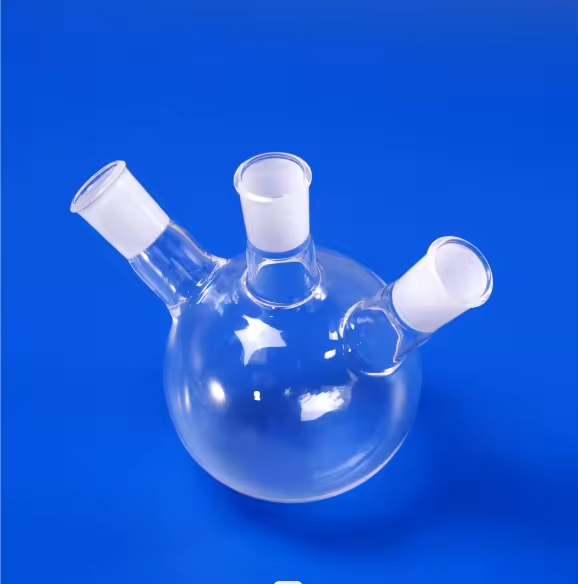
High Temperature Resistance Transparent Quartz Glass Twin Tube Bottom Flask Bending/Welding/Cutting/Moulding Services Lab Use
- Softening Point: 1683°C; Continuous: 1100°C
- Dual optical-path tube configuration
- Precision fire-polished flame welding
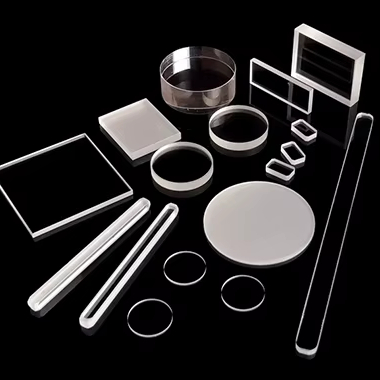
Custom Size High Temperature Fused Transparent Quartz Glass Optical Grade Test Sample Sheet Welding Cutting Processing Service
- Surface Quality: 20/10 Scratch-Dig
- Sub-nanometer surface roughness (Ra < 0.5 nm)
- Laser cutting with ultra-clean beveling

Custom Size Clear Fused Quartz Plate Premium Quality High Temperature Resistance (1100C) Glass Sheet for Optics Welding
- Parallelism: < 30 arcsec; Flatness: λ/4
- Low thermal expansion: 5.5 × 10⁻⁷ /°C
- Chemically inert to corrosive acids
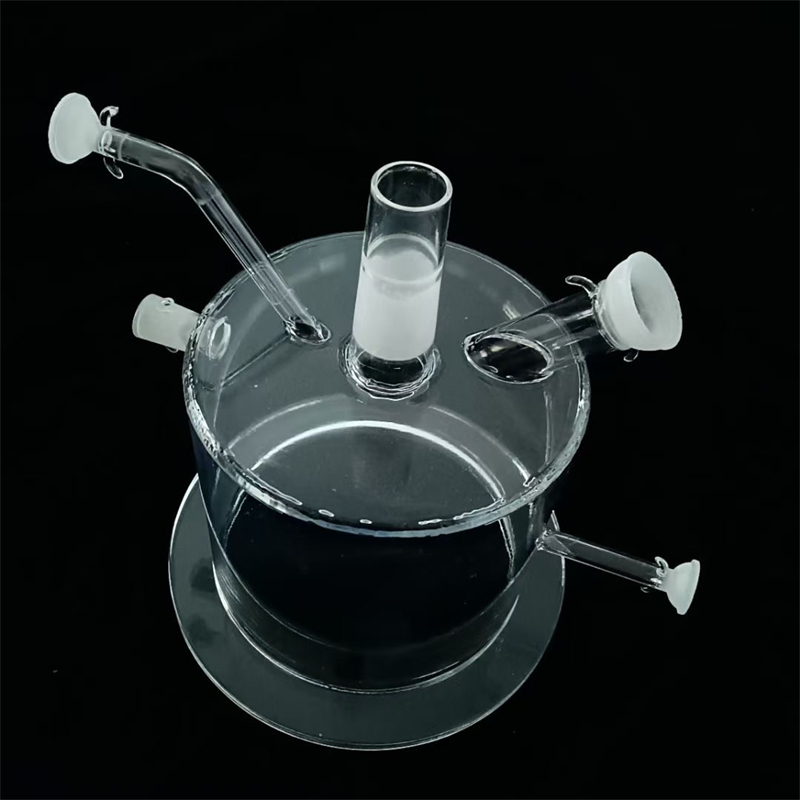
Customized High Pressure Clear Quartz Glass Tube Bending/Welding/Cutting 99.99% Pure Quartz Ozone Free Polished Surface
- Purity: >99.99% pure fused silica
- Precision bore tolerances to ±0.05 mm
- Hydrostatic pressure tested to spec

High Temperature Heat Resistant Clear 99.99% Pure Fused Quartz Twin Tube with Ozone Free Welding & Bending Services Custom Sizes
- Dual-chamber geometry for IR emitters
- Zero bubble inclusion in optical track
- Custom end-terminal sealing available
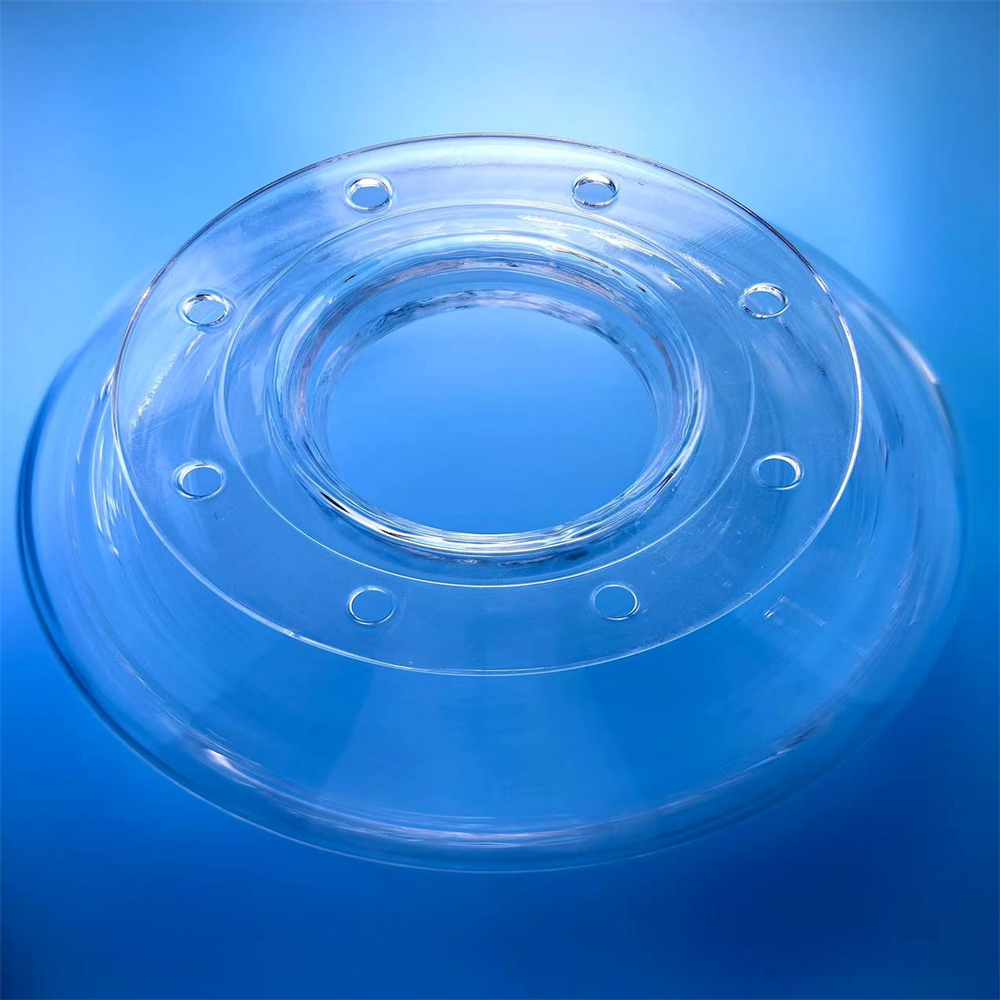
Customize Size Thickness Twin Tube Clear High Purity Flange Quartz Tube Fused Silica Polished Flange Ring Bending Welding
- ISO-KF & CF compatible mating faces
- Ultra-high vacuum (UHV) helium leak tested
- CNC micro-milled bolt interfaces
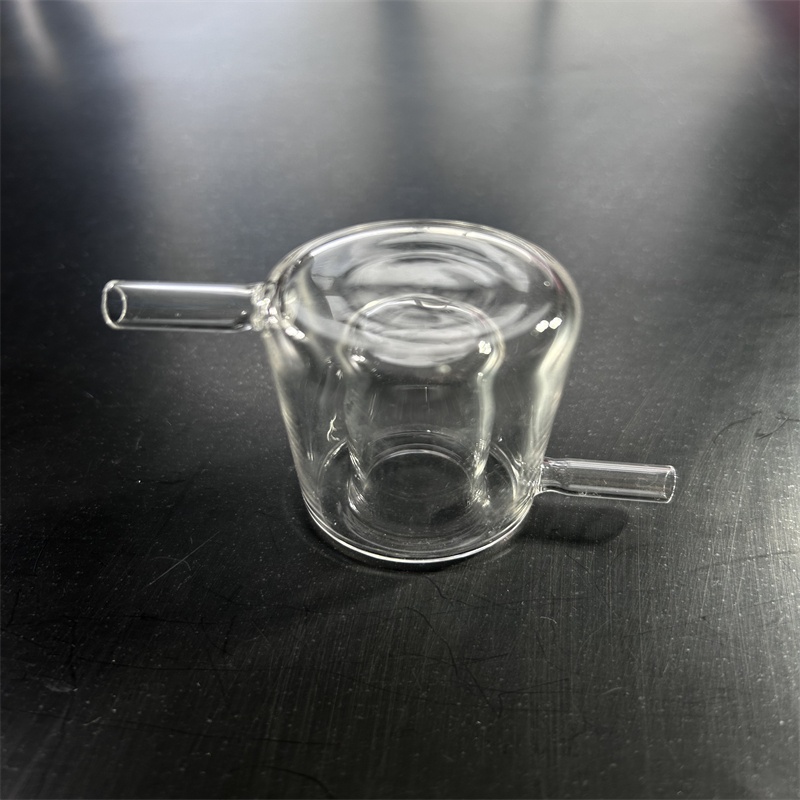
Custom 99.99% Pure Ozone Free High Temperature Resistant Quartz Glass Reactor Twin Tube Bending Welding Services for Laboratory
- Optimized for photochemical flow synthesizers
- Uniform wall thickness distribution
- Hydrofluoric acid etched & decontaminated
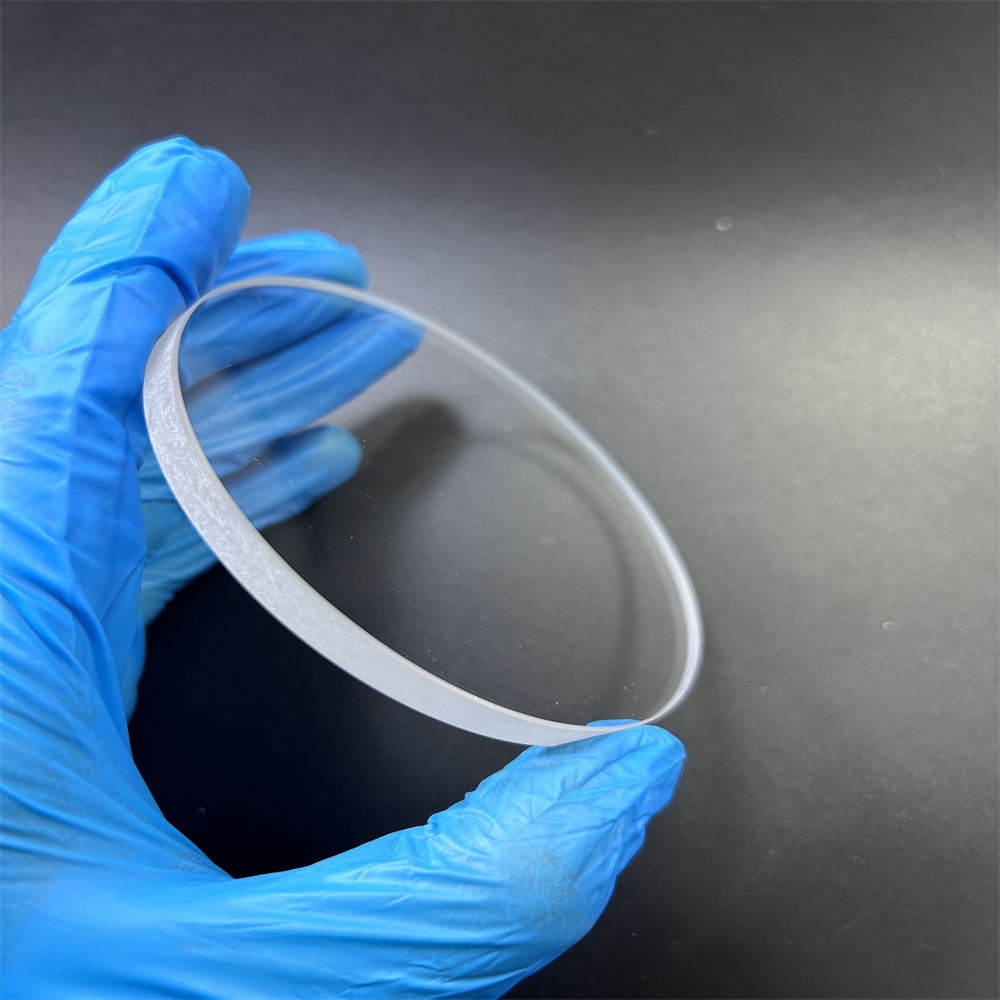
High Pressure Fused Silica Quartz Glass Wafer Transparent UV Sheet High Precision Cutting Custom Sizes Optical Welding
- Total Thickness Variation (TTV) < 2 µm
- Standard 2" to 12" semiconductor formats
- Double-side chemical mechanical polished
1. The Greater Zurich Photonics & Precision Engineering Landscape
The Canton of Zurich, anchored by the academic and technical powerhouses of ETH Zurich (Swiss Federal Institute of Technology), the University of Zurich (UZH), and federal materials science institutes like Empa Dübendorf, forms the nucleus of European high-precision optics and photonic innovation. Together with the biomedical cluster spanning Schlieren and the advanced manufacturing corridor along Winterthur, Zurich-based hardware development demands strict compliance with mechanical tolerances, material purity, and optical homogeneity.
For Swiss original equipment manufacturers (OEMs), precision optics integrators, and spectroscopy research teams, optical windows operating in the ultraviolet (UV) and vacuum-ultraviolet (VUV) bands are critical consumables. The localized requirement across Zurich's analytical engineering sector focuses on two primary parameters: zero solarization under extended exposure to high-energy ultraviolet radiation (such as excimer and deep-UV LEDs) and extreme dimensional repeatability under thermal gradients.
2. Material Science Deep Dive: JGS1 vs. JGS2 vs. JGS3 in UV Applications
A primary failure mode in UV optical design is the improper selection of fused silica grades. In Zurich's research institutions, where laser systems frequently emit at 193 nm (ArF), 248 nm (KrF), 266 nm (Nd:YAG 4th harmonic), and 355 nm, using standard optical glass leads to rapid darkening, internal fluorescence, and thermal lensing caused by hydroxyl (OH⁻) ion absorption bands.
| Optical Grade | Raw Material Source | Transmission Spectrum | OH⁻ Content (ppm) | Key Zurich Application Sectors |
|---|---|---|---|---|
| JGS1 (Synthetic Fused Silica) | SiCl₄ Synthetic Gas Deposition | 185 nm – 2500 nm (DUV / UV) | Typical: 1200 – 1500 ppm | Deep-UV Lithography, Excimer Optics, Flow Cytometry UV Windows |
| JGS2 (Optical Grade Fused Quartz) | High-Purity Natural Quartz Crystal | 220 nm – 2500 nm (UV / VIS) | Typical: < 30 ppm | UV Curing Viewports, High-Temp Furnace Sight Glasses, Analytical Cuvettes |
| JGS3 (Infrared Fused Silica) | Gas-Deficient Vacuum Fused Silica | 260 nm – 3500 nm (VIS / NIR / IR) | Typical: < 5 ppm | FTIR Windows, Pyrometric Sensors, Mid-IR Spectroscopic Chambers |
Our direct manufacturing facility in Donghai utilizes low-bubble synthetic chemical vapor deposition (CVD) precursor matrices to yield JGS1 synthetic fused silica substrates. These components exhibit an internal transmittance surpassing 90% across the 200 nm to 260 nm spectrum, eliminating localized laser-induced damage (LIDT) thresholds down to 10 J/cm² at 248 nm.
3. Specialized Industry Applications Across Zurich and Surrounding Cantons
Custom-machined UV quartz windows perform demanding tasks across multiple operational niches within the Swiss sub-alpine industrial base:
Analytical Bio-Instrumentation
Zurich's life sciences corridor relies on precision JGS1 flow-cell windows for high-performance liquid chromatography (HPLC) UV-Vis detectors and microfluidic fluorescence sequencing where zero baseline drift is mandatory.
Semiconductor & MEMS Lithography
High-purity fused silica wafers with total thickness variation (TTV) under 2 µm serve as carrier plates, mask blanks, and UV exposure ports within microtechnology cleanrooms throughout eastern Switzerland.
Quantum Computing & Laser Physics
At research laboratories in Hönggerberg and Dübendorf, synthetic fused silica vacuum viewports with custom anti-reflective (AR) coatings allow optical access to magneto-optical traps (MOT) with minimal birefringence.
Industrial UV Curing & Additive
High-power LED UV arrays used in precision polymer curing demand thermal shock-resistant JGS2 cover plates capable of continuous operation at 1100°C while resisting resin vapor bake-on and discoloration.
High-Vacuum Flange Assemblies
Hermetically welded quartz-to-metal and polished flange assemblies engineered for surface analysis chambers, providing optical monitoring under ultra-high vacuum (<10⁻¹⁰ mbar) environments.
Environmental Spectrometry Viewports
Weather-resistant, acid-impervious quartz viewports installed in emission testing sensors and water monitoring stations, delivering maintenance-free UV light path fidelity over years of field deployment.
4. Emerging Technical Trends Shaping Swiss Quartz Sourcing
Procurement criteria for optical materials across the Zurich market are evolving rapidly alongside advancements in photonics and industrial automation:
Shift Toward Deep UV-C Disinfection & Water Diagnostics: Recent public health and clean-water initiatives have fueled a transition toward narrow-spectrum UVC LED emitters (260–280 nm). Standard borosilicate glass completely blocks these wavelengths. Swiss optical engineers are increasingly redesigning viewports to standardize on economic, laser-cut JGS1 synthetic fused silica discs.
Tighter Surface Quality & Sub-Surface Damage (SSD) Standards: For femtosecond laser micro-machining systems manufactured around the Zurich-Aargau corridor, surface-level polishing defects cause premature window cracking. Our factory employs precision chemical mechanical polishing (CMP) combined with laser edge-beveling, which mitigates micro-cracks and extends window longevity under ultra-short pulse regimes.
Supply Chain Redundancy and Direct Factory Alliances: Geopolitical realignments and soaring European overhead costs have driven Swiss procurement specialists to replace intermediaries with direct relationships with vetted primary manufacturers. By pairing technical engineering validation in China’s quartz heartland (Donghai) with expedited DHL/FedEx logistics directly to Zurich Airport (Kloten), engineering teams reduce procurement lead times from 16 weeks to under 15 working days.
5. Factory Capabilities & Manufacturing Advantages
Zunex Quartz Products Co., Ltd., based in Donghai County, Jiangsu—the globally recognized hub of China's quartz and silicon manufacturing—offers comprehensive, vertically integrated processing for custom quartz glass:
Precision Quartz Laser Finishing
Our workshop houses high-precision CNC laser workstations capable of micro-hole drilling, intricate wafer slotting, edge chamfering, and customized cutouts without inducing thermal micro-fractures in the glass matrix.
Engineering Direct Review (≤ 2 Hours)
We do not operate through generic sales agents. Every technical inquiry, STEP file, or CAD drawing is evaluated directly by an optical and quartz fabrication engineer. We confirm manufacturability, verify tolerances, and quote within 2 hours.
Cleanroom Optical Polishing & Inspection
Equipped with laser interferometers, spectrophotometers, and ultrasonic cleaning baths, we inspect all optical quartz plates for bubble content, scratch-dig compliance (to MIL-PRF-13830B), and surface roughness before shipment.
Engineered Export Packaging
Given the fragile nature of optical components traveling to Switzerland, we implement shock-absorbing multi-layer foam cutouts, vacuum-sealed barrier pouches, and reinforced wooden crates engineered for global air transit.
Frequently Asked Questions by Swiss Technical Buyers
Key technical, quality assurance, and commercial questions answered for purchasing teams in Zurich and throughout Switzerland.
How does shipping and customs clearance work for deliveries into Zurich (Switzerland)?
Can you manufacture custom UV quartz windows to proprietary CAD drawings and DIN EN ISO standards?
What inspection documentation accompanies optical window shipments?
What is your minimum order quantity (MOQ) for prototypes vs. recurring batch runs?
How do you prevent solarization (UV-induced degradation) in your quartz windows?
Connect Directly with Our Quartz Engineering Team
Send your CAD drawings, dimensional specifications, or optical grade inquiries. Our engineers review all parameters and provide DFM feedback along with a direct factory quotation within 2 hours.