High-Purity Quartz Solutions for Düsseldorf Industry
Engineered to exact CAD/STEP geometries from natural crystalline and synthetic silica. Laser-machined, flame-polished, and verified for thermal shock thresholds exceeding 1100°C.
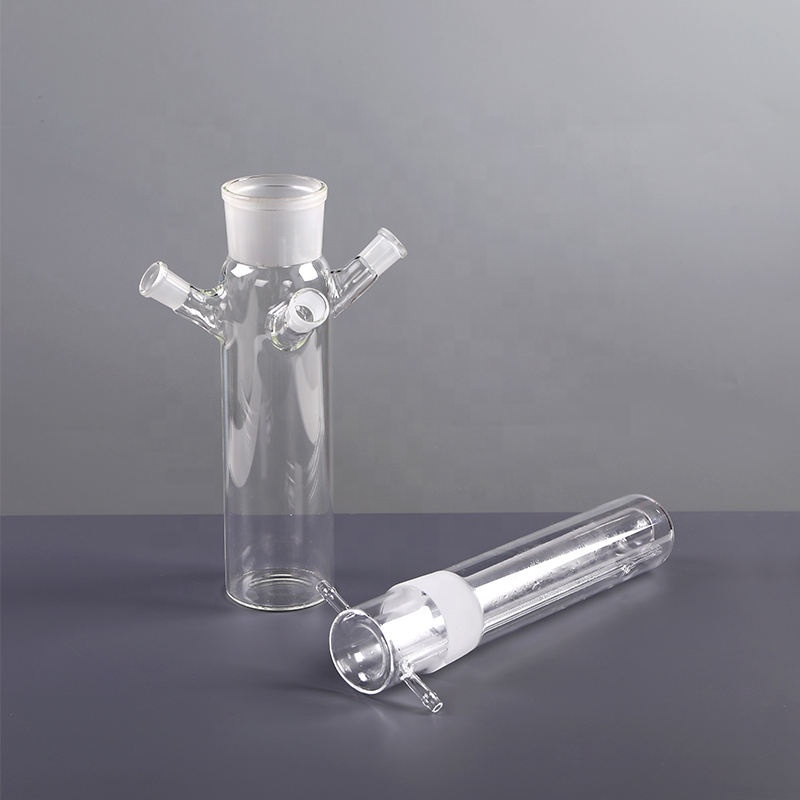
Customized High-purity Quartz Glass Reactor Container
Specialized cylindrical and square photochemical reaction vessels featuring internal illumination wells, welded quartz cooling jackets, and high deep-UV transmission for laboratory synthesis.
Factory Custom High Pressure 99.99% Pure Quartz Glass Tube
Heavy-wall quartz tubing engineered to sustain internal hydrodynamic pressure and thermal cycling up to 1200°C. Finished with diamond-ground flanges and ozone-free optical clarity.
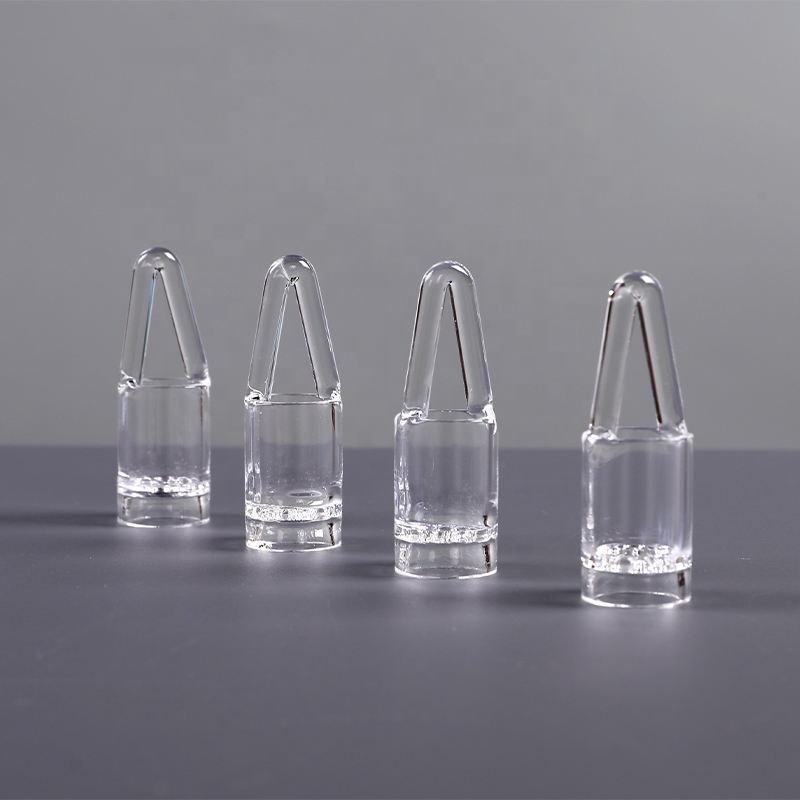
High Temperature Optical Grade Quartz Glass Window
Ultra-low bubble inclusion class optical quartz viewports and sight discs. Delivers >92% spectral transmission from 200 nm deep UV through the near-infrared spectrum.
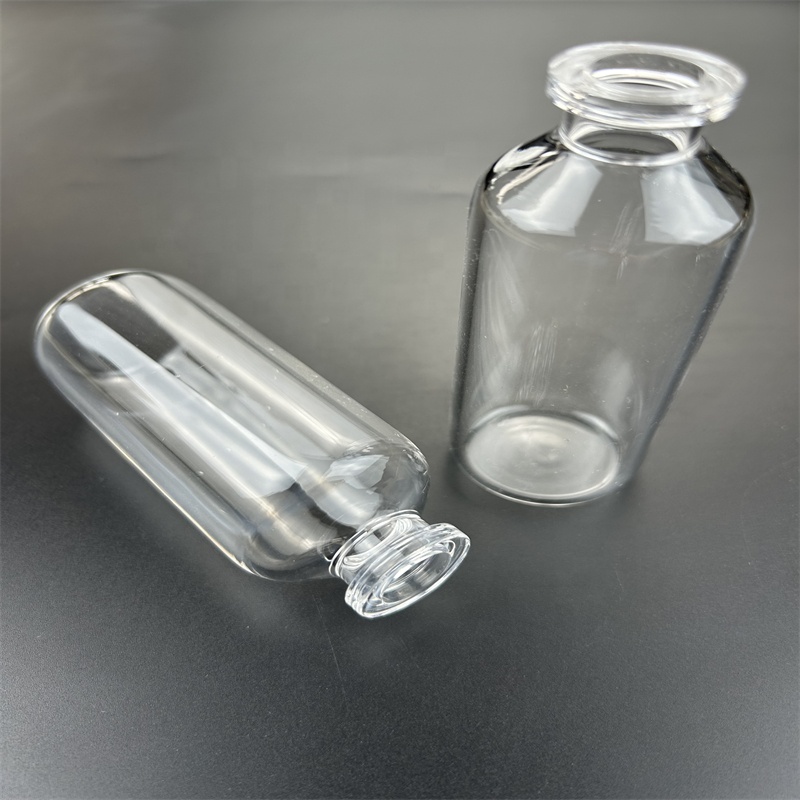
Custom High Pressure Medical Grade Quartz Glass Ampoules
Zero-leaching quartz sample ampoules tailored for hydrothermal crystallization, chemical vapor transport, pharmaceutical containment, and vacuum sealing under aggressive reagent exposure.

High Temperature Clear Fused Quartz Twin Tube
Precision figure-8 cross-section fused quartz twin-tubes designed for rapid thermal processing (RTP) and medium-to-shortwave infrared industrial drying emitters.
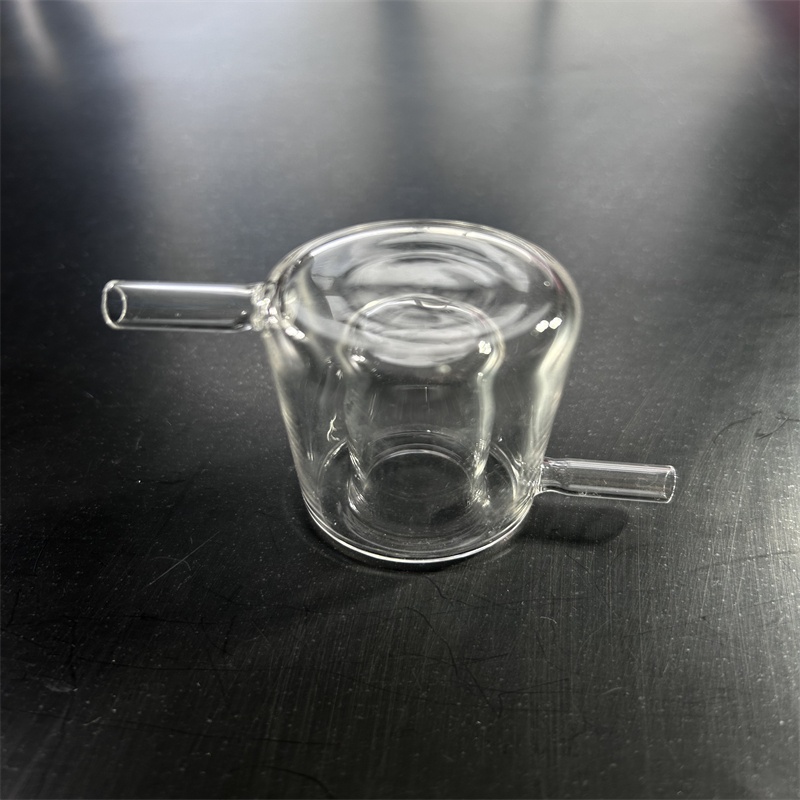
Custom Quartz Glass Reactor Twin Tube Welding Services
Specialized multi-port hydrogen-oxygen bench welding, flange integration, and customized thermocouple wells for closed-loop continuous catalytic flow reactors.
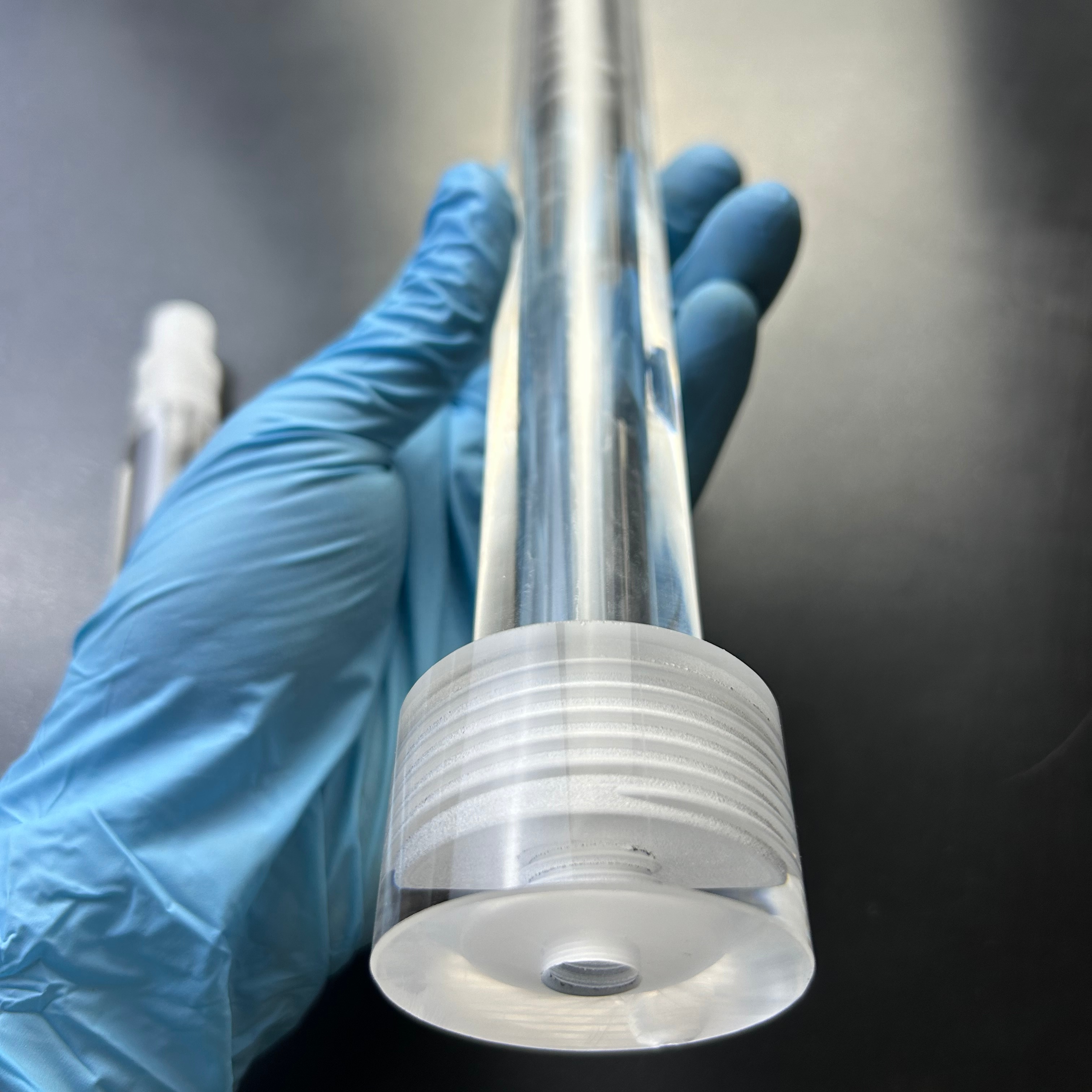
High Pressure Polished Clear Quartz Glass Twin Tube
Precision drawn dual-channel quartz conduits featuring fire-polished rim edges, micro-machined positioning grooves, and rigorous mechanical roundness for automated assembly lines.
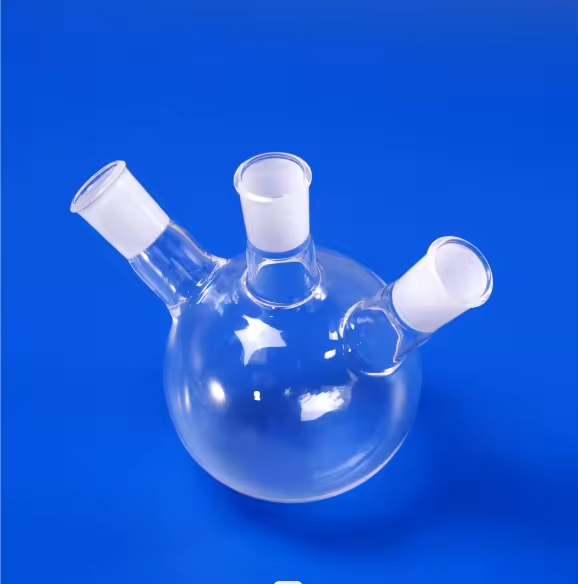
Quartz Glass Twin Tube Bottom Flask Distillation Unit
Custom blown laboratory reaction flask incorporating twin-tube parallel neck ports. Built for aggressive vacuum distillation, organic halogenation, and ultra-trace residue boiling.
1. Strategic Importance of Fused Quartz in the Düsseldorf Industrial Hub
The state capital of North Rhine-Westphalia (NRW), Düsseldorf, forms the economic and technological nucleus of the greater Rhine-Ruhr industrial metropolitan region. Anchored by major chemical operations in neighboring Neuss, Krefeld-Uerdingen, Dormagen, and Leverkusen, this corridor requires structural, thermal, and optical materials that operate reliably under extreme operating conditions. In modern high-temperature industrial manufacturing, high-purity fused quartz glass (fused silica) is an indispensable material for preventing process contamination, resisting thermal shock, and maintaining structural integrity.
Standard borosilicate and aluminosilicate glasses typically fail above 500°C due to structural phase transitions, ionic leaching, and destructive thermal expansion. Fused quartz, engineered with a silicon dioxide (SiO₂) purity exceeding 99.99%, exhibits an exceptionally low coefficient of thermal expansion (5.5 × 10⁻⁷ /°C). This allows components to transition instantly from 1100°C down to 20°C ambient temperatures without micro-cracking or fracturing. For process engineers in Düsseldorf operating tubular cracking reactors, specialty chemical distillation apparatus, excimer UV photo-oxidation lines, and pilot semiconductor diffusion chambers, sourcing factory-direct custom quartz ware is essential to avoid unplanned downtime and minimize yield loss.
“In Rhine-Ruhr’s high-temperature and aggressive chemical synthesis processes, trace impurities within process containers dictate batch longevity. Transitioning to pure fused silica with iron contents below 0.2 ppm and alkali metals below 1.0 ppm eliminates heavy-metal catalytic poisoning, ensuring compliance with strict European purity standards.”
2. Localized Industrial Applications in North Rhine-Westphalia
Procurement teams and design engineers throughout the Düsseldorf industrial ecosystem integrate fused quartz across five primary high-demand sectors:
Chempark & Specialty Chemistry
Utilized in chlor-alkali electrolysis, photochemical flow chemistry, and high-purity acid purification. Fused quartz reactors, reflux columns, and immersion wells resist nitric, sulfuric, and hydrochloric acids at boiling temperatures, providing an inert alternative to expensive tantalum or fluoropolymers.
Metallurgy & Foundry Analytics
Duisburg, Essen, and Mülheim's metallurgical corridors utilize quartz combustion tubes, immersion sampler tubes, and XRD sample discs for high-precision carbon and sulfur analysis in molten steel, nickel alloys, and refractory metals.
Semiconductor & Photovoltaics
Regional wafer fab research institutes and European pilot lines utilize Zunex Quartz custom slotted quartz boats, furnace diffusion tubes, and gas injection manifolds designed for low contamination in high-temperature oxidation cycles.
Beyond traditional chemical plants, the research corridors along Heinrich Heine University Düsseldorf, the Max Planck Institutes in Mülheim, and RWTH Aachen consistently require bespoke laboratory apparatus. Typical custom requests include BET sample tubes for catalyst surface characterization, laser-drilled optical windows for Raman and FTIR spectroscopy, and heavy-wall sealed ampoules for solid-state hydrothermal crystal growth.
3. Material Science Matrix: Grade Selection for German Engineers
Selecting the optimal quartz grade directly impacts project budgets and optical performance. Zunex Quartz manufactures components utilizing three standard international optical and thermal grades:
| Quartz Grade | Material Origin | Transmission Bandwidth | Typical OH⁻ Content | Primary Industrial Use Case |
|---|---|---|---|---|
| JGS1 (Synthetic Silica) | Synthesized via SiCl₄ Oxidation | 185 nm – 2500 nm (Deep UV) | < 50 ppm (or high OH option) | Excimer lasers, semiconductor lithography, UV sterilization reactors |
| JGS2 (Fused Quartz) | Natural High-Purity Quartz Crystal | 220 nm – 2500 nm (UV-Vis) | < 30 ppm | Furnace sight windows, tube furnace chambers, chemical vessels |
| JGS3 (Infrared Silica) | Gas-Refined Vacuum Fused | 260 nm – 3500 nm (Near to Far IR) | < 5 ppm (Water-Free) | Short/Medium-wave IR emitters, thermal sensors, pyrometer viewports |
Natural fused quartz (JGS2) represents the standard for 80% of thermal furnace tube and laboratory flask applications throughout North Rhine-Westphalia, balancing high thermal endurance with cost efficiency. However, when working with deep UV disinfection systems or excimer laser processing (193 nm ArF, 248 nm KrF), synthetic fused silica (JGS1) is required to prevent solarization, color center formation, and optical degradation over time.
4. Emerging Technology Trends in the Düsseldorf Market
Procurement practices across the German industrial landscape are shifting due to regulatory requirements, energy transitions, and supply chain strategies:
- Green Hydrogen Pyrolysis & Fuel Cell Testing: As the Rhine-Ruhr region transitions toward hydrogen-driven steelmaking, demand has surged for high-temperature quartz reactors capable of sustaining continuous methane pyrolysis and solid-oxide fuel cell (SOFC) test atmospheres up to 1100°C without hydrogen embrittlement.
- Supply Chain Redundancy via Direct Manufacturer Contracts: Mid-tier German OEMs and technical laboratories are diversifying beyond local glass-blowing shops by establishing direct OEM partnerships with primary manufacturers. This strategy reduces turnaround times for custom replacement tubing from weeks to days while significantly lowering component costs.
- Precision Laser Machining vs. Mechanical Diamond Tooling: Modern optical and electronic assemblies require clean micro-features. Laser processing allows for taper-free micro-hole drilling, edge chamfering, and intricate contouring without the micro-fissures and chipping associated with traditional mechanical milling.
5. Enterprise Advantages: Direct Donghai Source Factory to Düsseldorf
Zunex Quartz Products Co., Ltd. operates from Donghai County, Jiangsu, China—the global center of natural quartz mining and refining. By pairing local raw material access with modern hot flame processing and cold CNC finishing, we provide industrial buyers in Düsseldorf with distinct operational advantages:
Custom Machining to CAD / STEP
We work directly from customer drawings (PDF, DWG, DXF, STP/STEP). Our technical department verifies tolerances (down to ±0.02 mm), wall thicknesses, and flame-polishing requirements before starting production.
In-House Laser Finishing
Our facility houses high-precision quartz laser cutting, micro-hole drilling, and surface slotting systems. This equipment allows us to machine delicate shapes and high-density hole patterns in plates, discs, and tubes with minimal subsurface damage.
Export Packaging & Air Freight
Fragile quartz assemblies are packed using shock-absorbing closed-cell polyethylene foam, vacuum-sealed barrier film, and reinforced plywood crates. Regular shipments clear Frankfurt and Düsseldorf Airport customs (DAP/DDP terms) with low breakage rates.
Our verified supplier profile on Alibaba.com reflects an average response time of two hours or less, a 100% response rate, and an annual repeat purchase rate of 43% from global industrial accounts. Every delivery includes material certificates and dimensional inspection reports confirming compliance with German DIN and international ISO quality standards.