Engineered Fused Quartz & Silica Solutions
Custom fabricated to tolerance specs for thermal processing, photonics, and chemical degradation applications
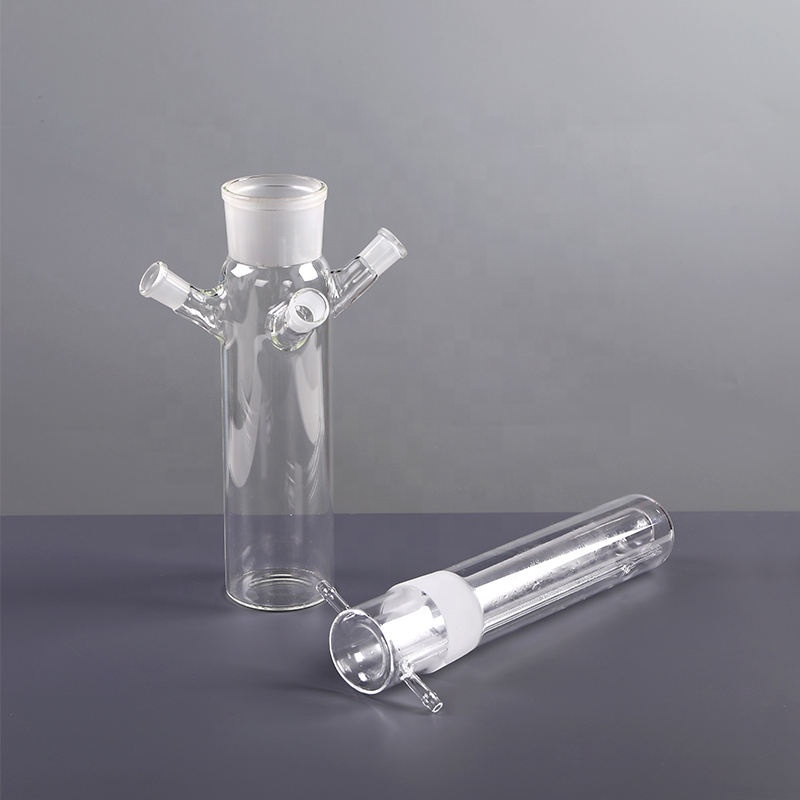

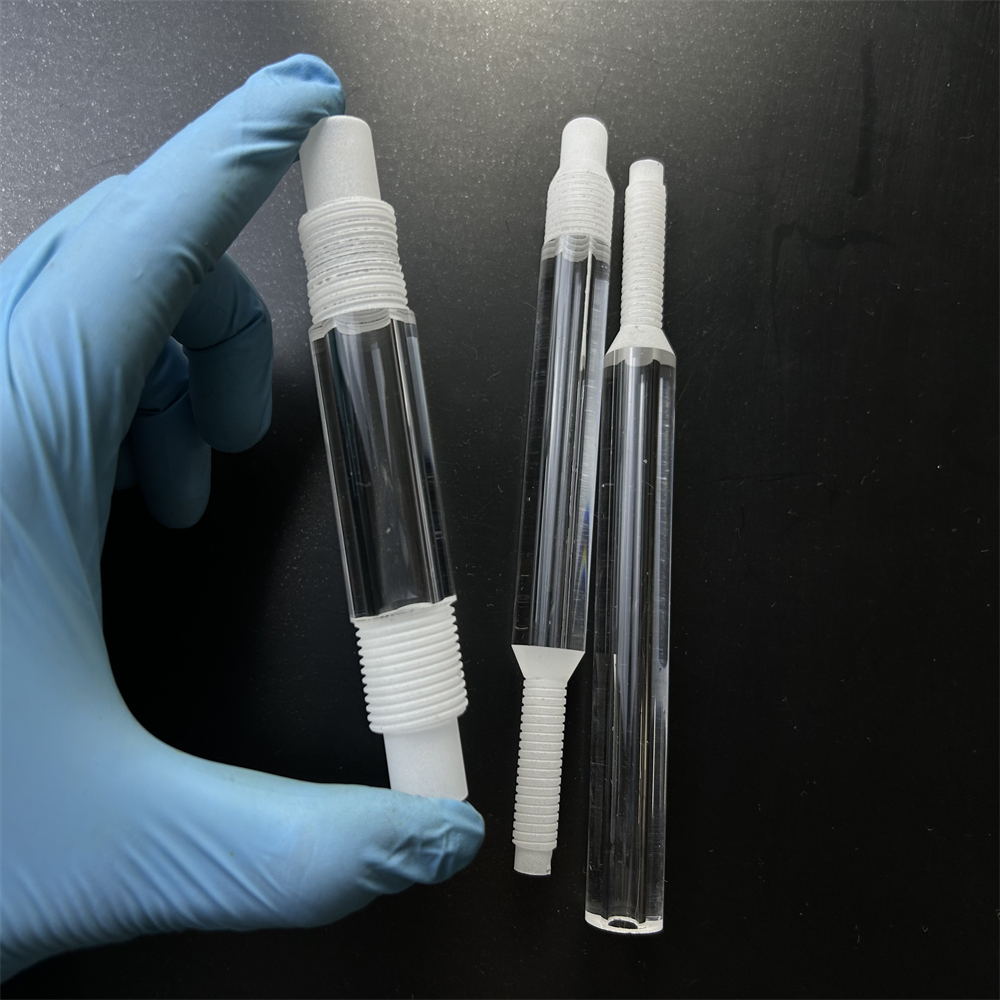
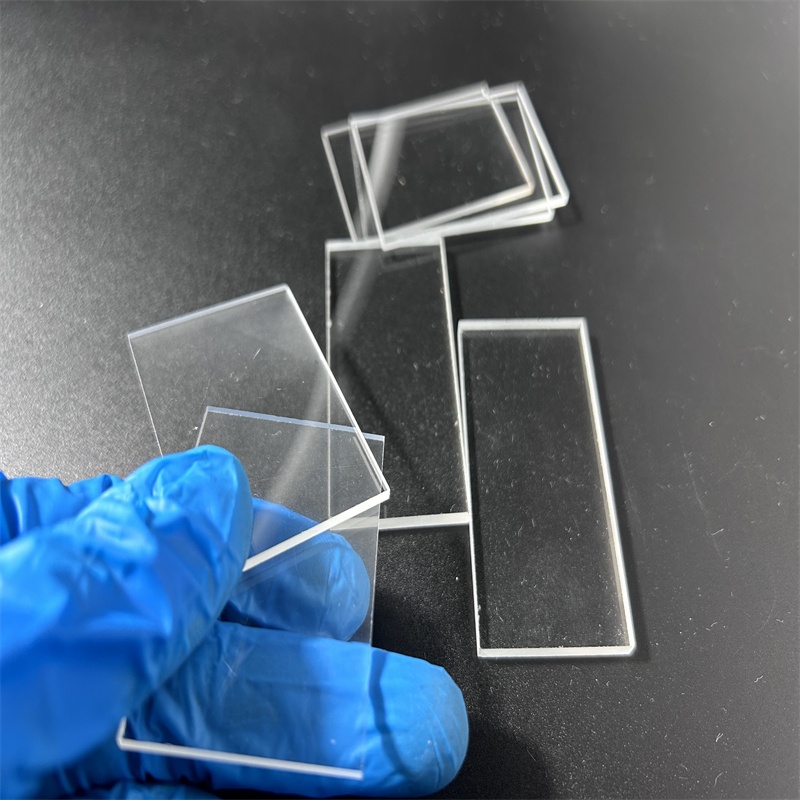
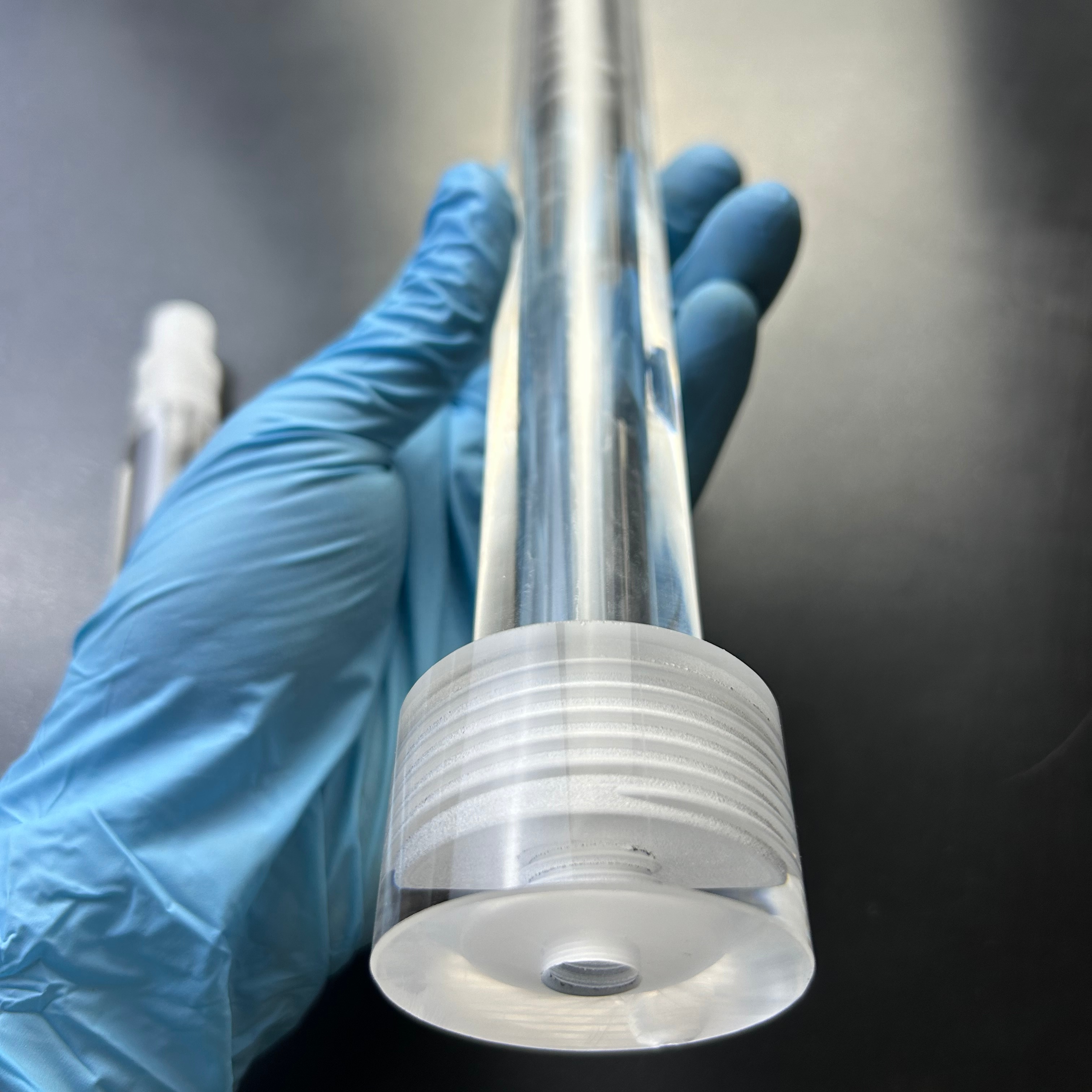
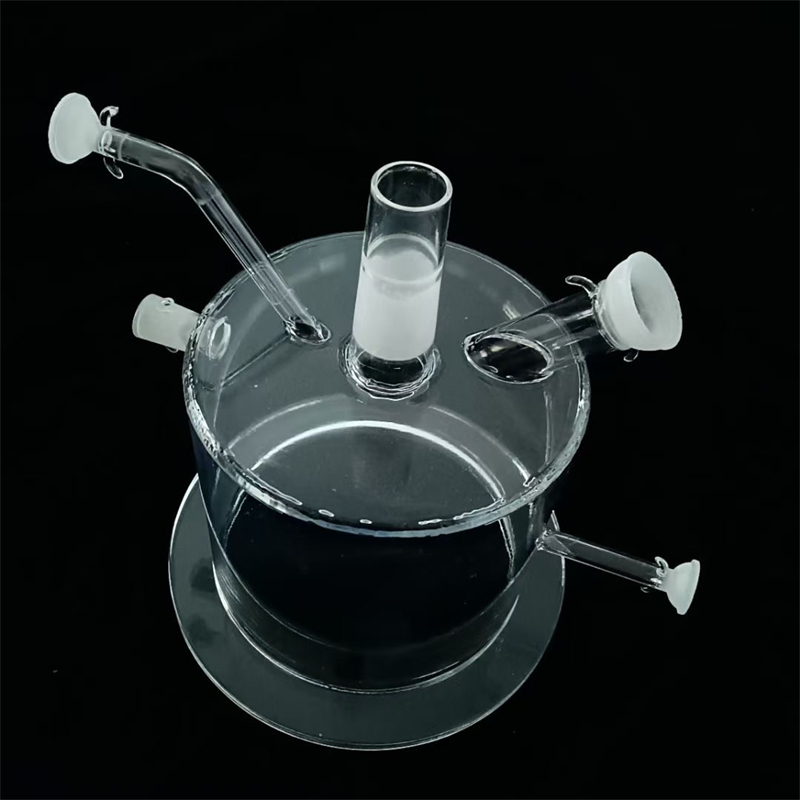
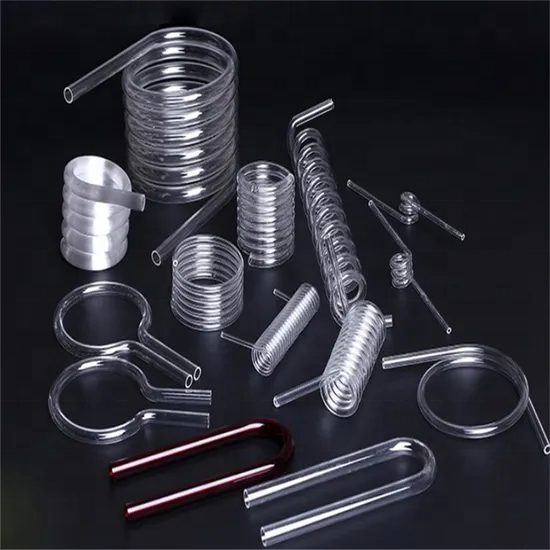
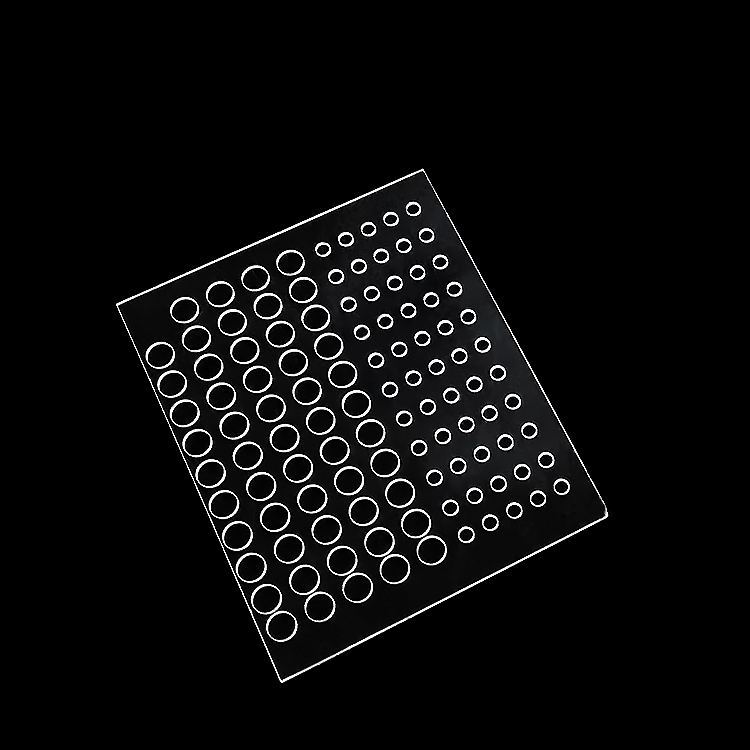
Technical Deep-Dive: Material Synthesis & Optical Integrity
Comparative physics and dimensional stability benchmarks of fused silica rods in high-duty cycle applications
In high-precision optical, aerospace, and semiconductor manufacturing environments, material choice directly determines failure margins. Fused silica rods manufactured through chemical vapor deposition (synthetic fused silica) or high-temperature electric fusion of natural quartz crystal offer an extraordinarily low thermal expansion coefficient of 5.5 × 10⁻⁷ /°C. This provides unmatched resistance to catastrophic thermal shock compared to standard borosilicate or aluminosilicate glasses.
When selecting fused silica rods for structural fixtures in thermal reactors or optical transfer systems within the Dallas-Fort Worth manufacturing corridor, the distinction between hydroxyl ion (OH⁻) concentrations defines infrared and ultraviolet throughput limits. Synthetic fused silica (JGS1) maintains hydroxyl levels below 1 ppm or up to specialized wet chemistries, completely eliminating absorption notches at 2720 nm and offering exceptional deep-UV transmission down to 185 nm.
| Property Parameter | JGS1 (Synthetic Silica) | JGS2 (Optical Grade Quartz) | JGS3 (Infrared Fused Quartz) |
|---|---|---|---|
| Spectral Transmission Window | 185 nm – 2500 nm (Deep UV) | 220 nm – 2500 nm (UV-Vis) | 260 nm – 3500 nm (Near-to-Mid IR) |
| Hydroxyl Content [OH⁻] | < 2000 ppm (or < 5 ppm dry) | < 30 ppm | < 5 ppm (Water-free) |
| Continuous Operating Temp | 1100 °C | 1100 °C | 1150 °C |
| Peak Annealing Point | 1215 °C | 1215 °C | 1220 °C |
| Thermal Expansion (20°C–320°C) | 5.5 × 10⁻⁷ /°C | 5.5 × 10⁻⁷ /°C | 5.4 × 10⁻⁷ /°C |
| Dielectric Strength (20°C) | 25–40 kV/mm | 25–40 kV/mm | 25–40 kV/mm |
Dimensional tolerances during laser grooving, micro-drilling, and lathe-based flame finishing must be maintained within micron ranges. Our facility implements dual-axis non-contact laser micrometer scanning along the total length of every quartz and silica rod. This eliminates localized wave distortions, ensuring uniform beam propagation in light-guide assemblies and frictionless seals in high-vacuum furnace gates.
Localized Industrial Application Scenarios
Serving defense, semiconductor fabrication, telecommunications, and energy corridors in the DFW Metroplex
Aerospace & Defense
Structural standoffs, missile guidance transparent viewports, and optical targeting rods specified by Tier-1 defense contractors in Fort Worth and Grand Prairie.
Silicon Corridor Semi Ops
Diffusion furnace push-pull rods, quartz boats, and non-contaminating substrate guides for wafer processing across North Texas fab clusters.
Energy & Downhole Sensors
High-pressure quartz rods and logging windows designed to endure severe borehole hydrostatic pressures and thermal cycles across Permian-support hubs.
Research & Bio-Photonics
Spectroscopic light pipes and custom quartz capillary flow chambers built for medical imaging and bioprocess incubators in the regional innovation corridor.
Fort Worth Quartz & Silica Sourcing Trends
Emerging demand curves shaped by reshoring, wafer capacity expansion, and high-frequency RF systems
Rapid Prototyping from CAD
North Texas procurement teams are moving away from stock commodity sizes toward custom CAD/STEP-driven orders with precision laser grooving, fire-polished radiused ends, and pre-welded joints delivered directly from verified factories.
Purity Traceability & ICP-MS
With sub-nanometer node expansions, contamination tolerances have shrunk. Dallas-Fort Worth semiconductor buyers now demand verified trace metal analysis (< 0.1 ppm Fe, Cu, Ni) along with certificates of analysis for high-purity rods.
Resilient Direct-Factory Logistics
Supply chain leaders are bypassing multiple middle-tier distributors to work directly with quartz manufacturing plants. This ensures engineered shock-proof foam packing, competitive unit costs, and rapid production turnaround.
Why Tier-1 Engineers Rely on Zunex Quartz
Direct production capacity located in Donghai, China's Crystal Capital, combined with international export compliance
Fast Response Engineering
100% verified response rate with expert quotes returned in ≤ 2 hours. In-house engineers review your PDF, DWG, or STEP drawings before quotation.
Laser Finishing Capabilities
Specialized quartz laser drilling, micro-grooving, circular cutting, and flame-working allow ultra-tight tolerances without internal stress fractures.
Verified Global Reputation
43% verified repeat-order rate from international B2B buyers with US$2.5M – US$5M annual export volume and authenticated Alibaba transaction histories.
Frequently Asked Questions for Fort Worth Purchasing Teams
Critical procurement details regarding international shipping, custom tolerances, and material choices
What is the typical shipping lead time to the Fort Worth / DFW area?
Custom precision quartz rods and plates usually require 7–14 days for CNC cold machining, laser finishing, and annealing. Once inspected, air express shipments (via DHL/FedEx/UPS directly to DFW International Airport hubs) arrive within 3 to 5 business days, fully crated in high-density polyethylene impact foam.
Can you manufacture fused silica rods strictly according to our proprietary drawings?
Yes. Custom fabrication to customer drawing is our foundational service. You can provide 2D PDF prints or 3D STEP/DWG CAD models. Our technical engineering team evaluates geometry, surface roughness (optical pitch polish or fine ground), and chamfer tolerances before initiating hot flame forming or CNC lathe grinding.
How do I know whether my project requires synthetic fused silica (JGS1) or natural fused quartz (JGS2/JGS3)?
If your application operates within deep-ultraviolet wavelengths (185–260 nm), demands zero fluorescence, or requires extreme bubble-free optical homogeneities, synthetic fused silica (JGS1) is mandatory. If you are operating continuous thermal diffusion furnaces up to 1100 °C or need standard sight glasses, natural fused quartz (JGS2) provides the optimal balance of performance and economy.
How do you prevent fragile quartz rods from breaking during transit to Texas?
We use export-certified, shock-resistant multi-layer packaging. Rods are individually encased in anti-scratch sleeves, embedded in custom-cut closed-cell EPE foam beds, and secured within reinforced multi-ply wooden export crates. Our damage-in-transit rate remains well under 0.1% worldwide.
What testing documentation and quality reports are supplied with the delivery?
Each production run includes comprehensive dimensional inspection reports, spectral transmission curves (upon request), and chemical purity certificates verifying SiO₂ content of 99.99% or higher. We also provide full material traceability for military and aerospace supply compliance.
Ready to Expedite Your Custom Fused Silica Rod RFQ?
Submit your design specifications, CAD drawings, or target dimensions today. Our senior engineering staff will review your requirements and provide an itemized quote within 2 hours.
Get a Quote