Precision Quartz Laboratory Ware & Custom Process Components
Direct manufacturer supply from Donghai County. Certified fused silica with high spectral transmission, extreme chemical inertness, and custom manufacturing to DWG/STEP engineering blueprints.
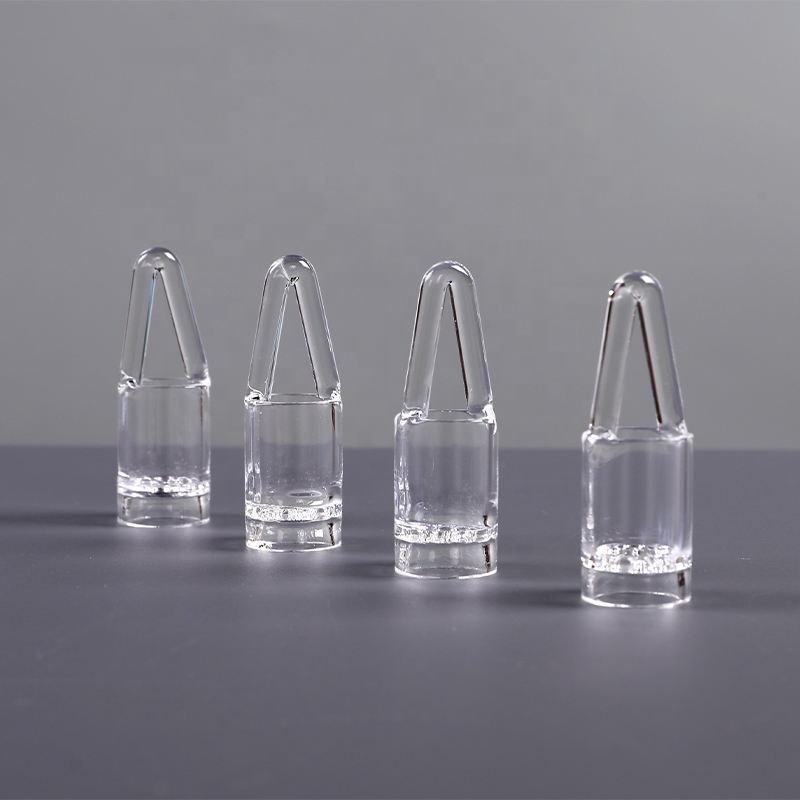 Ultra Pure 99.99%
Factory Custom High Pressure 99.99% Pure Quartz Glass Tube Bending/Welding Ozone Free Polished Surface
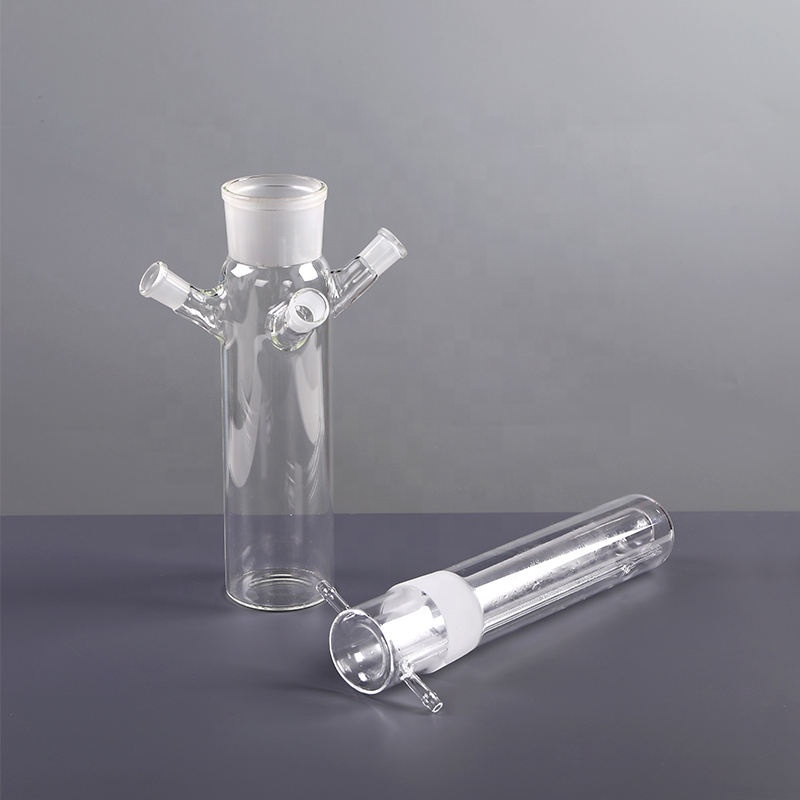 Photocatalytic
Customized High-purity Quartz Glass Reactor Container Bending Moulding Photocatalytic Degradation Internal Illumination Welding
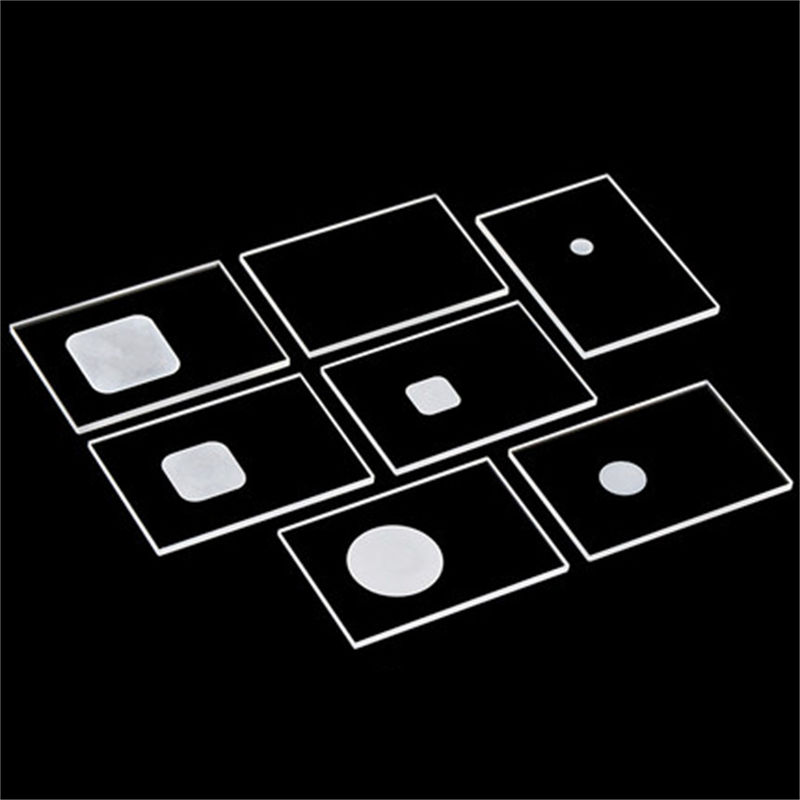 Thermal 1100°C
High Temperature Fused Quartz Glass Sheet for XRD Sample Tank Testing Chip Slotted Carrier Cutting Service Custom Sizes 1100C
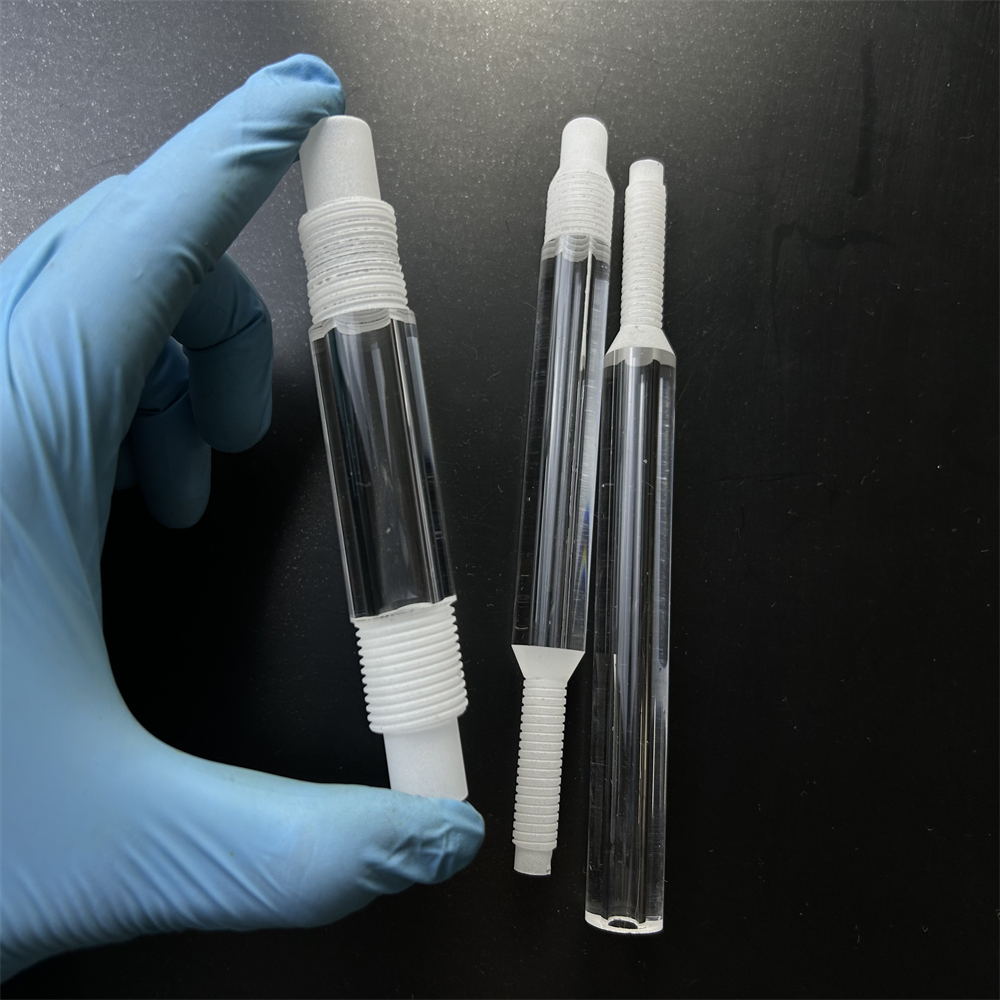 Threaded Joint
Customized High Purity Threaded Transparent UV Quartz Glass Tube with Bending Welding Cutting Moulding Services High Pressure
 BET Testing
Chemisorption BET Test High Pressure 99.99% Pure Ozone Free Clear Quartz Glass Twin Tube Bending Welding Services Quantachrome
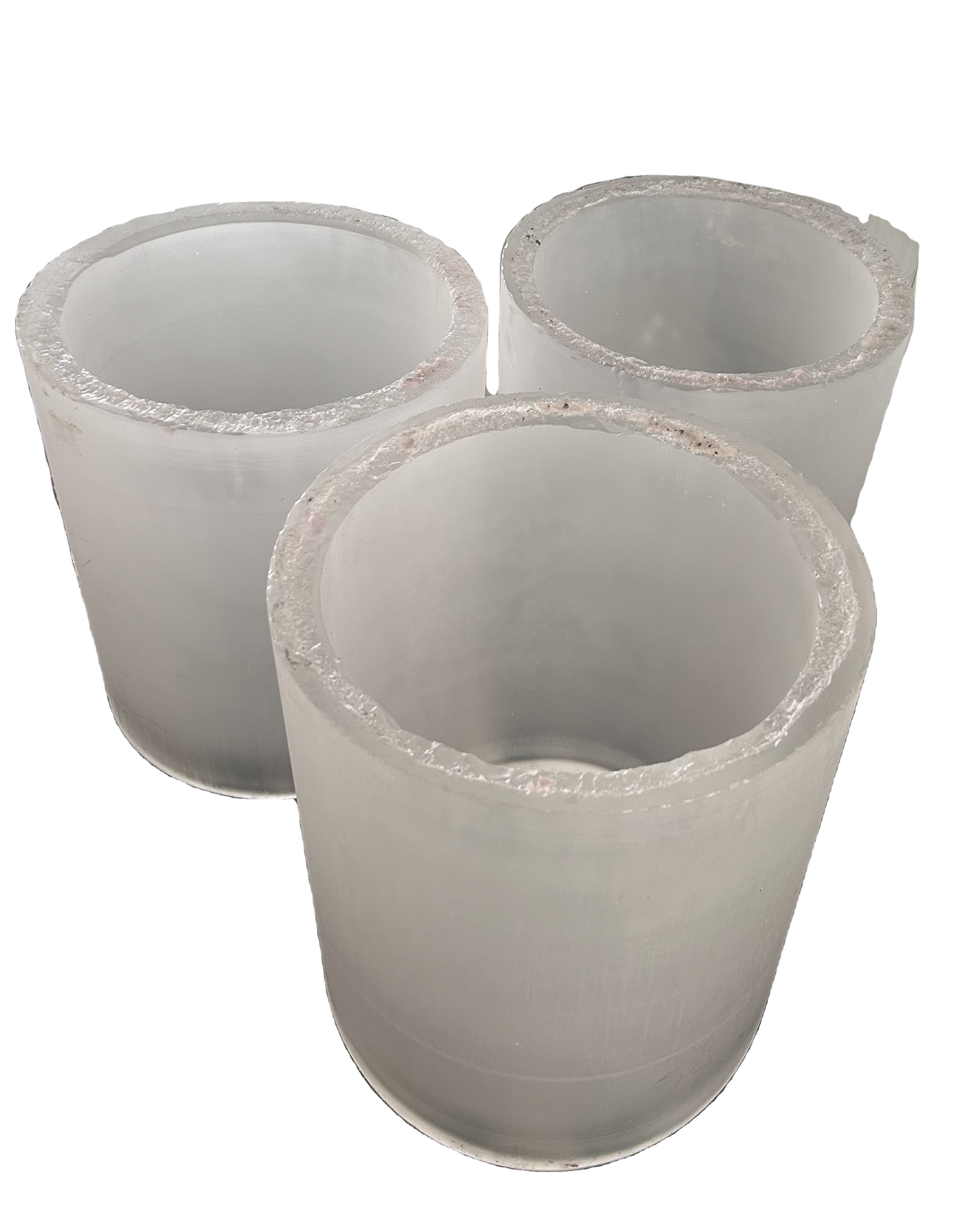 Precision Optics
Open Ended Fused Quartz Frosted Glass Cylinder Ingot with Moulding Welding Cutting Services Custom Sizes for Optics Applications
 Twin-Tube IR
High Temperature Heat Resistant Clear 99.99% Pure Fused Quartz Twin Tube with Ozone Free Welding & Bending Services Custom Sizes
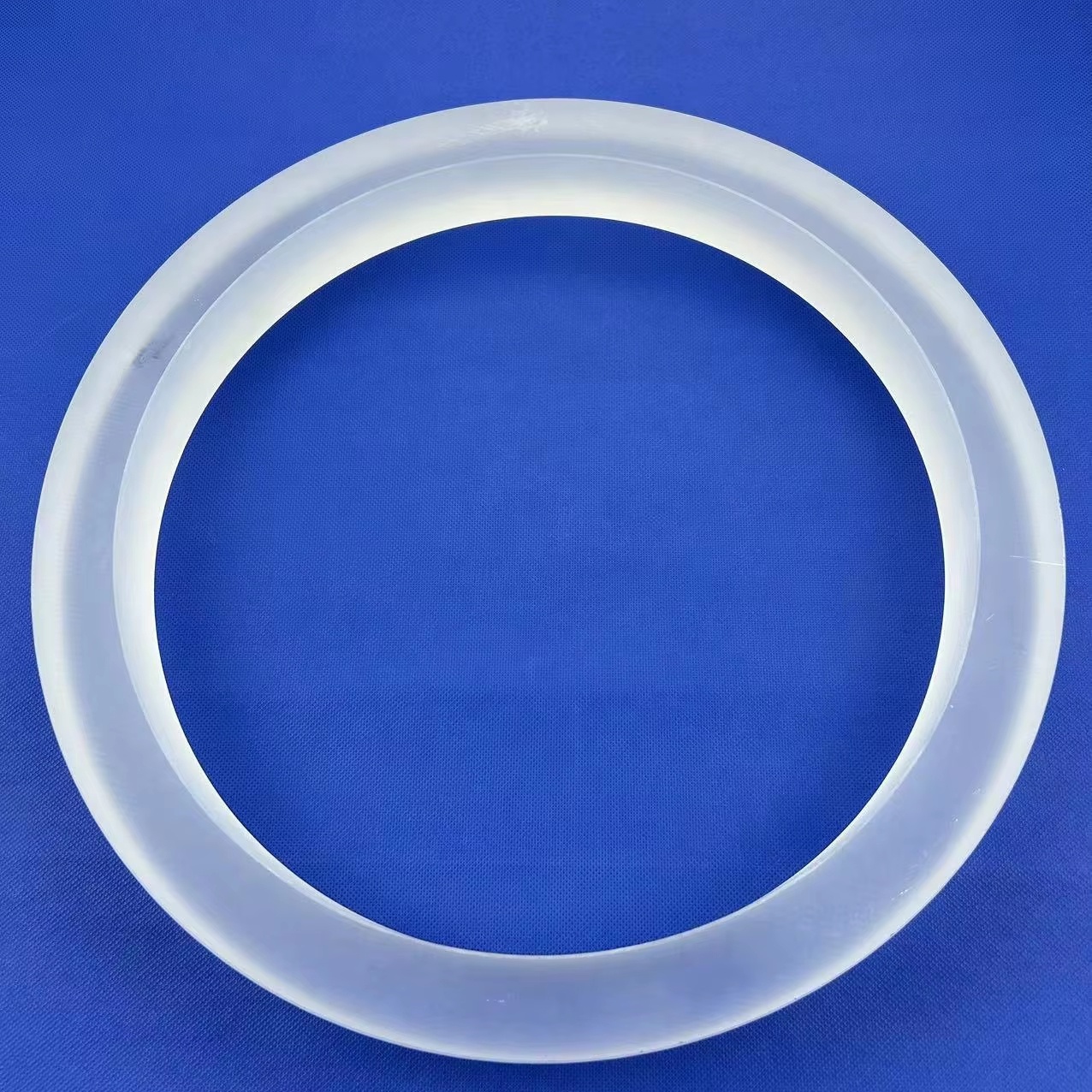 Semiconductor CVD
Custom Coated 99.99% Pure Quartz Rings for Semiconductor CVD Optics Applications High Pressure Moulding/Bending/Welding/Cutting
Need custom dimensions, heavy-wall quartz beakers, or special spout geometries for your laboratory in Granada?
Contact UsFused Quartz Beakers vs. Borosilicate 3.3 in High-Sensitivity Analytical Environments
Laboratory procurement directors across Andalusia frequently face a recurring dilemma: evaluating when standard borosilicate glassware (such as Pyrex or Duran) fails to meet experimental rigor, requiring direct upgrades to 99.99% fused silica (quartz glassware). While borosilicate 3.3 offers adequate resistance for aqueous organic extractions under 400°C, its fundamental composition contains roughly 12-13% B₂O₃, 4% Na₂O/K₂O, and 2-3% Al₂O₃. Under concentrated acid digestions (hydrochloric, perchloric, nitric, and sulfuric acids) or elevated thermal loads exceeding 500°C, standard borosilicate glass experiences micro-structural leaching of network-modifying cations, severely falsifying trace-element quantitative analysis.
Manufactured in Donghai County—the international epicenter of quartz crystal refining—our laboratory quartz beakers provide an inert, dense silicon dioxide network (SiO₂ ≥ 99.99%). This molecular structure ensures virtual freedom from elemental impurities (total metallic contaminants < 20 ppm). Furthermore, with a coefficient of thermal expansion of only 5.5 × 10⁻⁷ /°C—roughly five times lower than borosilicate 3.3—a quartz beaker can be brought red-hot to 1100°C and plunged directly into ice water at 0°C without catastrophic mechanical failure or micro-fissuring.
Trace Impurity Spectrum Comparison (Parts Per Million)
For researchers using ICP-MS and ICP-OES in Granada's scientific corridor, background contamination from vessel walls represents a primary source of statistical error. The empirical chemical profile demonstrates why fused silica is non-negotiable for ultra-trace testing:
| Impurity Element | High Purity Fused Quartz (Donghai Zunex) | Standard Laboratory Borosilicate 3.3 | Analytical Consequence in Mass Spectrometry |
|---|---|---|---|
| Aluminium (Al) | 12.0 - 16.0 ppm | 15,000 - 25,000 ppm | High false-positive blanks in environmental & geological screening |
| Boron (B) | < 0.2 ppm | 35,000 - 45,000 ppm (structural constituent) | Precludes boron isotope geochemistry & semiconductor analysis |
| Sodium (Na) | ≤ 1.0 ppm | 30,000 - 40,000 ppm | Causes intense matrix effects and detector saturation in ICP |
| Iron (Fe) | ≤ 0.8 ppm | 200 - 400 ppm | Distorts redox titrations, photochemical metrics, and solar tests |
| Calcium (Ca) & Magnesium (Mg) | ≤ 1.2 ppm | 3,000 - 6,000 ppm | Forms insoluble sulfate/phosphate precipitates during digestion |
Quartzware Applications Across Granada's Scientific & Industrial Ecosystem
The province of Granada is undergoing a historic transformation into Southern Europe's primary high-energy physics, bioscience, and advanced materials hub. Our custom quartz beakers, crucibles, and reactors fulfill the technical parameters demanded by local institutions.
IFMIF-DONES Fusion Materials Testing
Located in Escúzar (Granada), the International Fusion Materials Irradiation Facility (IFMIF-DONES) evaluates materials exposed to high neutron flux. Our high-temperature fused quartz beakers and reactor liners withstand the extreme radiolytic environments, vacuum thermal cycles, and molten lithium-lead (LiPb) auxiliary loop chemistry verification where standard glass instantly recrystallizes.
PTS Granada Health Sciences & Biotech
The Health Sciences Technology Park (Parque Tecnológico de la Salud - PTS) hosts leading oncology research institutes (GENYO), pharmacology firms, and molecular biology centers. Our quartz beakers provide unmatched resistance to aggressive hot acid digestions (aqua regia, HF-nitric mixtures) for extracting trace biometals without releasing silica nanoparticles or toxic leachate.
UGR & CSIC Environmental Institutes
At the Universidad de Granada (UGR) Faculty of Sciences and CSIC institutes such as the Instituto Andaluz de Ciencias de la Tierra (IACT) and Estación Experimental del Zaidín (EEZ), researchers require trace mineral digestion vessels for soil hydrology, olive grove pesticide mass spectrometry, and mineral crystal precipitation under high hydrothermal pressure.
Emerging Procurement Trends & Regulatory Drivers in the Andalusian Market
Procurement practices for laboratory equipment across the Junta de Andalucía have shifted dramatically toward higher lifecycle efficiency, stricter European compliance, and direct-from-factory customization. Three primary trends define current purchasing behavior in the Granada territory:
1. Transition to 'Zero-Blank' Digestion
With Andalusian agricultural quality control boards demanding ppb-level tracking of heavy metals (lead, cadmium, arsenic) in premium export olive oils, regional analytical laboratories have largely phased out conventional glass vessels in favor of fused quartz beakers that do not contaminate digestive samples.
2. Escalation in Big Science Procurement
The rapid construction and equipment of the IFMIF-DONES complex has catalyzed substantial European Regional Development Fund (ERDF) spending on ultra-high-temperature resistant, radiation-hardened glassware capable of non-destructive optical monitoring of vacuum test loops.
3. Demand for Direct Custom Machining
Standard catalog glassware no longer meets modular automated synthesis requirements. Granada research labs increasingly require custom-tailored ports, laser-cut graduation markings, internal thermowells, and threaded GL45 connections integrated directly into beakers.
Fused Quartz Material Grades & Physical Benchmarks
Selection guide for principal scientists and engineering buyers. Review optical transmittance ranges, thermal constants, and structural limitations prior to submitting RFQs.
| Characteristic / Parameter | JGS1 (Synthetic Silica) | JGS2 (Optical Quartz) | JGS3 (Infrared Grade) | Testing Standard / Note |
|---|---|---|---|---|
| Spectral Transmission Range | 185 nm – 2500 nm (Deep UV) | 220 nm – 2500 nm (UV-Vis) | 260 nm – 3500 nm (Infrared) | Spectral photometer measurement at 10mm path |
| Hydroxyl Content (OH⁻) | ≤ 1000 ppm | ≤ 150 – 200 ppm | ≤ 5 ppm (Water-free) | Low OH prevents absorption dip at 2.73 µm |
| Coefficient of Thermal Expansion | 5.5 × 10⁻⁷ /°C | 5.5 × 10⁻⁷ /°C | 5.5 × 10⁻⁷ /°C | Average value between 20°C and 320°C |
| Continuous Operating Temperature | 1100 °C | 1100 °C | 1100 °C | Atmospheric pressure, neutral gas environment |
| Peak Maximum Temperature | 1300 °C | 1300 °C | 1300 °C | Short excursions (< 30 minutes duration) |
| Softening Point | 1683 °C | 1683 °C | 1683 °C | ASTM C338-93 verification protocol |
| Dielectric Constant (1 MHz) | 3.75 | 3.75 | 3.75 | Excellent RF and microwave transparency |
| Recommended Granada Lab Application | Photocatalysis, UV laser cells | General beakers, acid digestion | High-temperature tube furnaces, IR heaters | Matched to experimental optical wavelength |
Why International Laboratories Partner with Zunex Quartz
Direct manufacturing origin in China's crystal capital, advanced quartz laser machining, and dedicated technical trade support for Spain and the European Union.
Donghai Raw Material Purity
Located directly in Donghai County, Jiangsu, we control upstream crystal refining, guaranteeing natural fused silica with SiO₂ purity ≥ 99.99% without third-party middleman markup.
Laser Drilling & Slotting
Proprietary CNC quartz laser finishing stations deliver precise hole drilling (±0.05 mm), wafer carrier slotting, micro-grooving, and optical edge chamfering without hairline micro-cracks.
Rapid Engineering Turnaround
Every inquiry is reviewed directly by application engineers rather than sales clerks. We maintain a verified 100% response rate with quotation and DFM analysis completed in ≤ 2 hours.
Zero-Breakage European Freight
Custom multi-layer suspended foam cushioning and shock-isolated export wooden crates guarantee 100% arrival integrity via express air freight directly to Granada or Malaga Airport.
Frequently Asked Questions: Purchasing Quartzware in Granada, Spain
Actionable answers addressing local customs, TARIC tariff classifications, thermal safety protocols, and custom production tolerances for Andalusian buyers.
How does customs clearance and VAT (IVA) work for university or CSIC orders arriving in Granada?
Shipments to public entities like Universidad de Granada (UGR) or CSIC institutes generally require standard European Union customs processing. As an experienced exporter, Zunex provides complete commercial invoices, packing lists with accurate TARIC codes (typically 7017.10.00 for laboratory glassware of fused quartz or other fused silica), and Certificates of Conformity (CoC). We offer both DDP (Delivered Duty Paid, handling all Spanish import duties and IVA directly) and DAP delivery via DHL/FedEx Express directly to your campus lab receiver.
Can quartz beakers be used with hydrofluoric (HF) or concentrated phosphoric acid?
Fused silica exhibits near-universal chemical inertness to hydrochloric, nitric, sulfuric, and perchloric acids at all practical concentrations and temperatures. However, hydrofluoric acid (HF) actively dissolves the SiO₂ matrix even at ambient room temperature, forming hexafluorosilicic acid. Additionally, concentrated phosphoric acid begins etching quartz at temperatures exceeding 150°C. For HF digestions, PTFE or PFA vessels must be specified; for all other mineral acids, quartz remains the ultimate standard.
What is the devitrification risk of quartz beakers when used above 1000°C in muffle furnaces?
Fused quartz is a metastable glass. When exposed to temperatures above 1050°C in the presence of surface impurities—particularly alkali fingerprints (sodium/potassium salts) or airborne dust—crystallization into high-temperature cristobalite (devitrification) accelerates. This causes a hazy, milky appearance and compromises thermal shock strength. To prevent devitrification, always clean quartzware in dilute acid, rinse thoroughly with high-resistivity deionized water (18.2 MΩ·cm), and handle exclusively with lint-free cotton gloves before loading into high-temperature furnaces.
Can Zunex fabricate heavy-wall quartz beakers with flat bottoms for magnetic stirrers?
Yes. Standard glass-blown quartz beakers often exhibit slight concave or convex curvature on the bottom due to flame finishing. For laboratories in Granada utilizing magnetic stirring hotplates, we precision-grind and fire-polish the beaker base to achieve planar flatness within ±0.1 mm, preventing stir-bar decoupling and ensuring uniform heat conduction from the heating plate.
What documentation and quality certifications accompany each factory shipment?
Every commercial consignment exported to Spain is supplied with an official Certificate of Analysis (CoA) indicating SiO₂ content, trace metal ICP spectrophotometric testing results, dimensional tolerance reports verified via optical vernier coordinate machines, and detailed thermal annealing certificates ensuring stress-free glassware under polarized light inspection.
Consult Directly with Our Quartz Engineering Team
Whether you require standard low-form Griffin quartz beakers (50ml to 5000ml), custom laser-drilled photolysis reaction cells, or high-vacuum reactor bodies for your Granada laboratory, our engineering office provides rapid manufacturing feasibility and cost quotations within 2 hours.