Engineered Quartz Glass Solutions for Belgrade Buyers
All items are fabricated using Grade-A electric fusion and chemical vapor deposition processes, guaranteeing exceptional thermal shock resistance up to 1300°C and uncompromising chemical inertness.
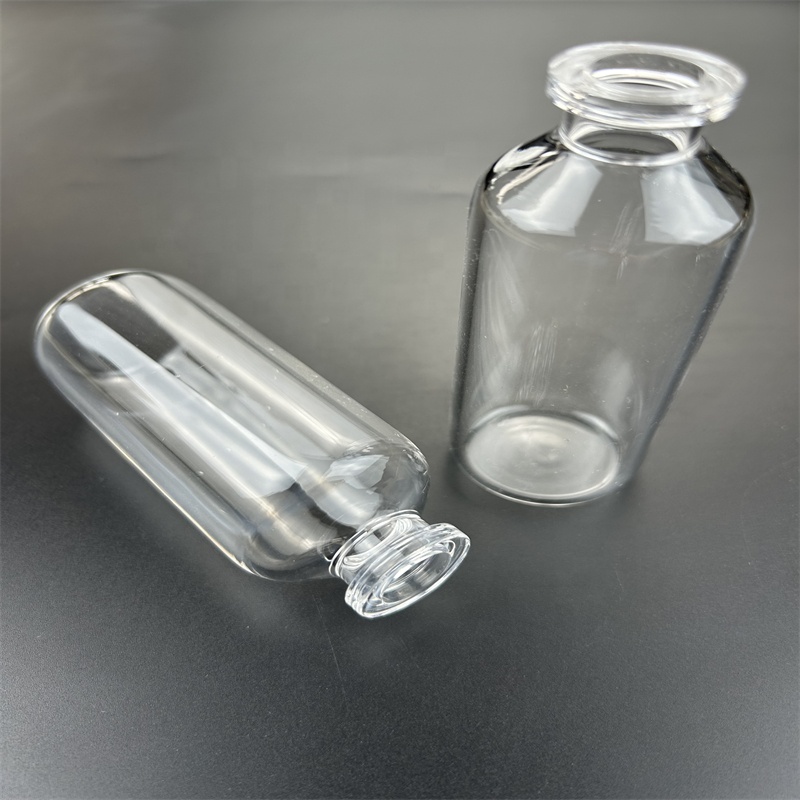
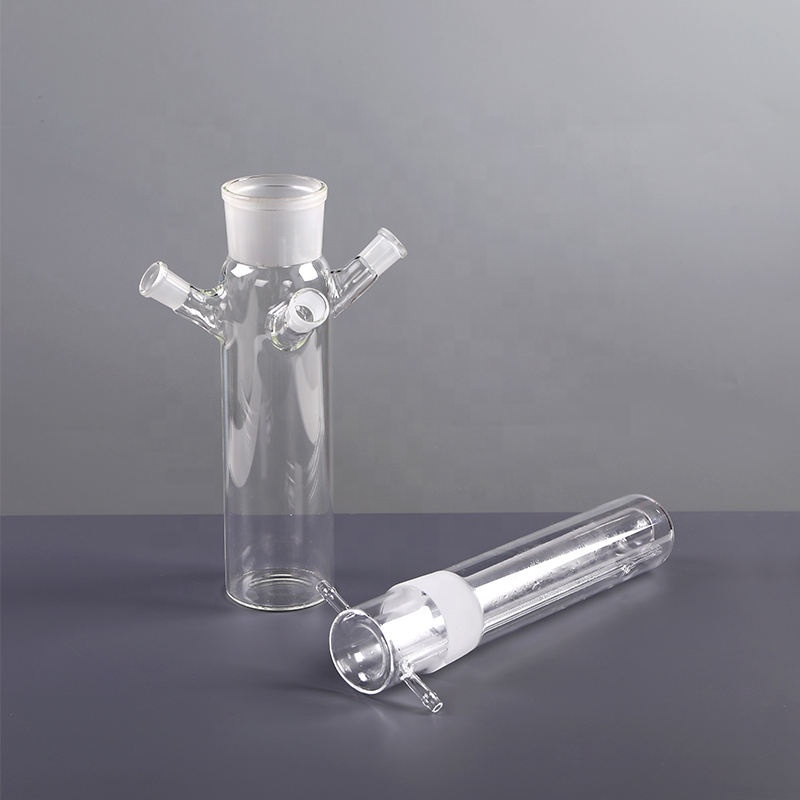
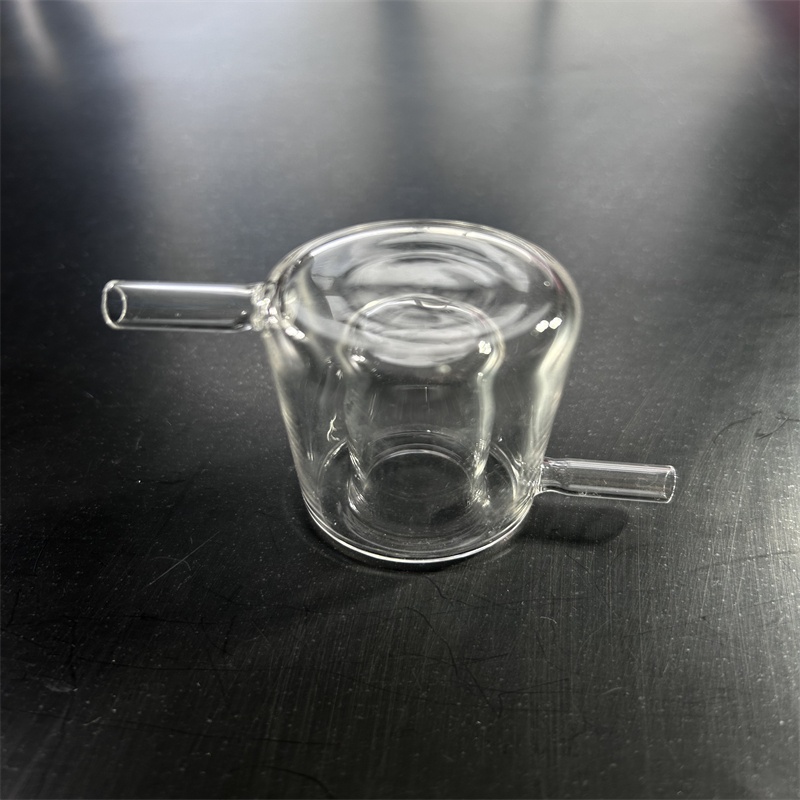

Engineering Whitepaper: Quartz Crucibles & High-Purity Glassware in the Greater Belgrade Industrial Hub
As Serbia consolidates its role as the premier technology and manufacturing nexus across Southeastern Europe, Belgrade's industrial landscape has experienced a profound shift toward high-precision material processing. The strategic geographic advantage of the Belgrade-Novi Sad industrial axis, augmented by international capital inflows and modern academic clusters, has driven an unprecedented surge in demand for fused silica, optical-grade viewing windows, and critical high-temperature thermal consumables.
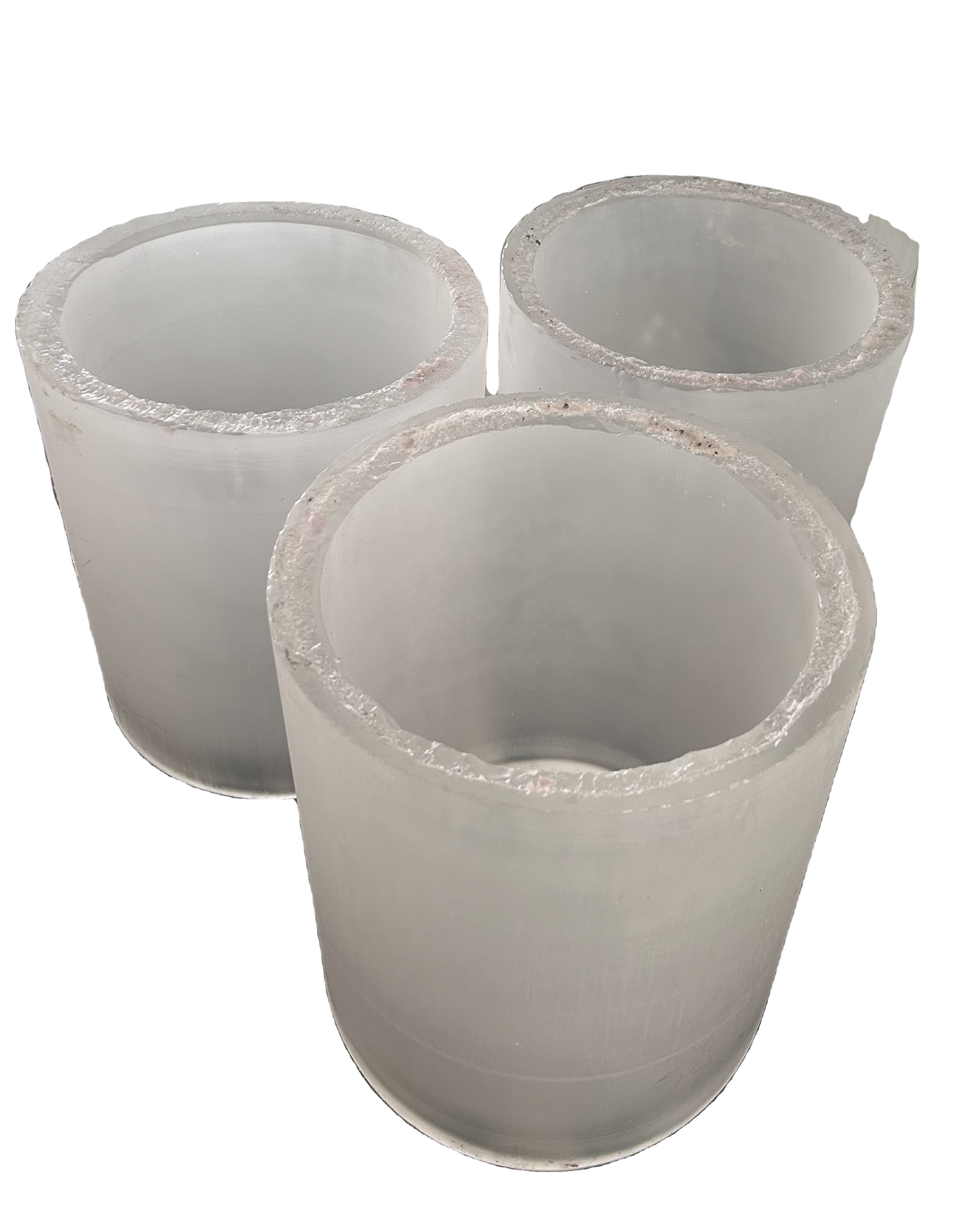
Among these critical items, the quartz glass crucible represents a foundational consumable. Whether deployed in Czochralski (CZ) crystal pulling, advanced pyrochemical separation, photovoltaic silicon refining, or metallurgical smelting, the crucible serves as an indispensable boundary between raw melt and ambient heating elements. Because our manufacturing facilities originate directly in Donghai County—globally celebrated as the "Crystal Capital of China"—we engineer our quartz vessels using pure synthetic silica and refined natural quartz grains. The resulting SiO₂ concentration reliably exceeds 99.99%, minimizing trace elemental leaching (such as boron, aluminum, and alkali metals) into delicate melt matrices.
Thermal stability stands as the determining factor for crucible longevity. Ordinary borosilicate glass exhibits softening points far below modern metallurgical and synthesis requirements, risking devastating mechanical failure and molten leakage above 550°C. In stark contrast, Zunex fused quartz glass boasts an extraordinary annealing point of approximately 1215°C and an ultimate softening threshold of 1683°C. Its microscopic thermal expansion coefficient (5.5 × 10⁻⁷ /°C) ensures that our crucibles, combustion boats, and reaction ampoules can undergo extreme thermal shock cycles—such as rapid quenching from 1100°C directly into cold ambient water—without structural fracture, delamination, or loss of geometric tolerance.
Tailored Deployment Across Belgrade's Key Industrial Sectors
From prestigious academic laboratories at the University of Belgrade to modern electronics lines in surrounding enterprise parks, our fused quartz parts are optimized for specific local processing demands.
University & Research Centers
Institutes such as the Vinča Institute of Nuclear Sciences and University of Belgrade faculties require our custom-calibrated chemisorption BET tubes, XRD sample holders, and clear quartz crucibles for high-energy radiation experiments, nanomaterial synthesis, and catalyst characterization.
Automotive & Power Electronics
Automotive electronics suppliers operating across the Pančevo and Stara Pazova corridors leverage our laser-slotted quartz diffusion boats and CVD reactor containers for power MOSFET fabrication, ceramic metallization, and protective vacuum sintering steps.
Chemical & Pharmaceutical Pilot Lines
Pharmaceutical and fine chemical producers situated along the Danube river rely heavily on our corrosion-resistant quartz ampoules and photocatalytic reactor modules, ensuring zero metal-ion contamination during rigorous photochemical degradation and quality control.
Advanced Metallurgy & Smelting
With Serbia's robust mining and non-ferrous metallurgy heritage, smelters in Eastern Serbia and quality testing laboratories in Belgrade specify our thick-walled fused quartz crucibles and melting pots to prevent molten slag corrosion during assay determinations.
Strategic Trends: Belgrade's Transition Toward Green Technology & Precision Optics
The industrial paradigm in Serbia is transitioning rapidly from heavy manufacturing toward high-value, research-intensive applications. Several emerging macroeconomic trends underscore why Belgrade procurement specialists are actively auditing and re-evaluating their quartz glass supply chains:
1. Expanding Photovoltaic & Green Energy Initiatives: As the Western Balkans modernize their energy grid under European green taxonomy standards, Belgrade is turning into a corporate base for solar cell development and high-purity silicon manufacturing. Fused quartz combustion tubes, heavy-duty quartz ingot crucibles, and twin-tube infrared heating lamps are central to optimizing wafer annealing yields and maximizing thermal efficiency.
2. Tightening Chemical Purity & Trace Contamination Constraints: In advanced analytical instrumentation, such as ICP-MS and automated chemisorption testing, baseline readings cannot tolerate even micro-parts-per-billion leaching of heavy metals or alkalis. Serbian lab directors are switching away from standardized laboratory glassware to ISO-certified JGS1, JGS2, and JGS3 quartz substrates to guarantee baseline repeatability.
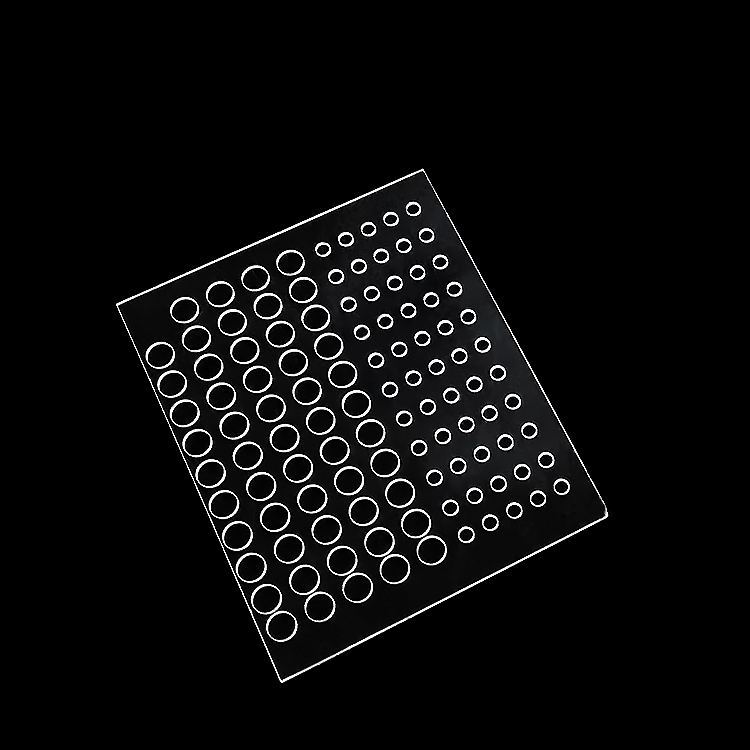
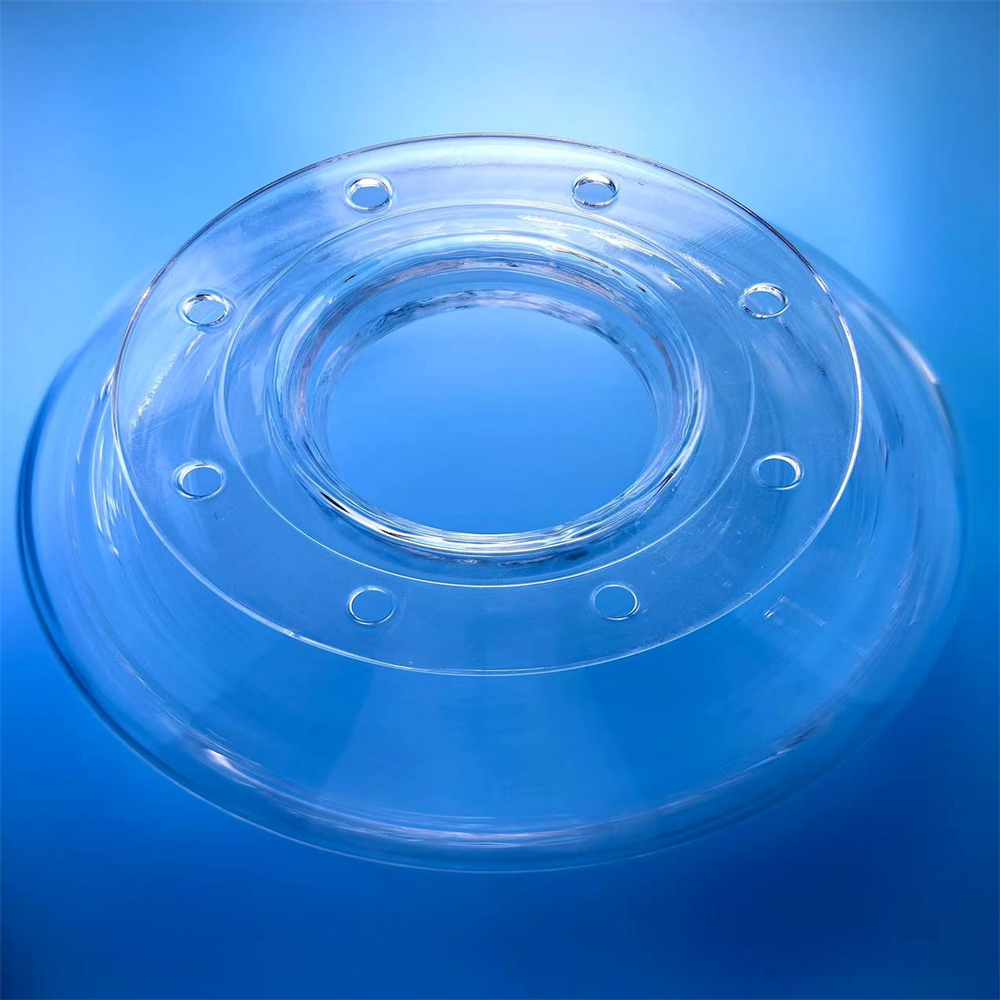
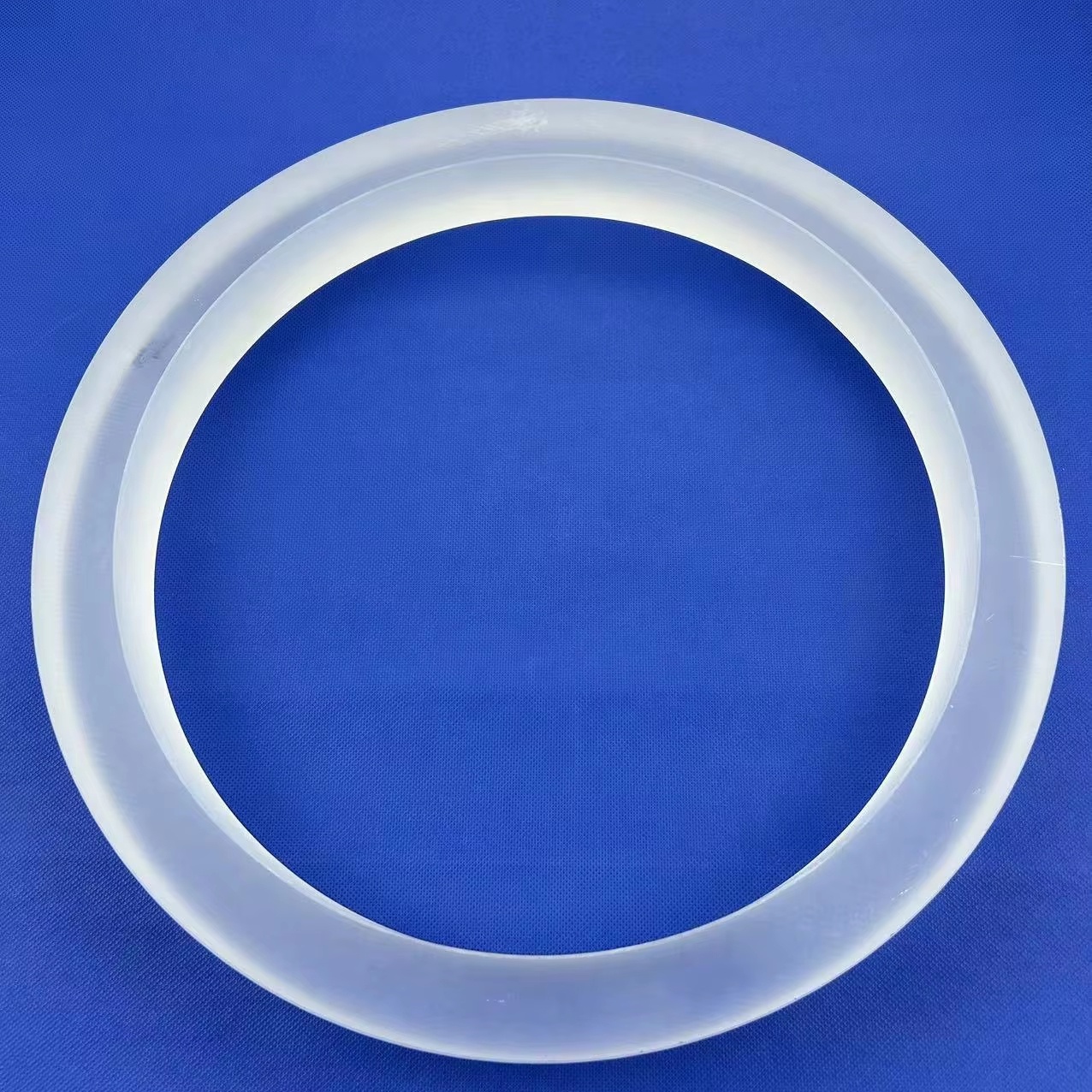
3. Rise of On-Demand Custom Fabrication (Drawings to Prototypes): Turnkey catalog items no longer satisfy specialized R&D projects. Belgrade engineers require precision laser grooving, micro-hole drilling, ground-joint flanging, and fire-polished terminations customized to specific CAD/STEP schematics. Zunex’s proprietary cold-processing and high-temperature flame shaping allow Serbian teams to receive small-batch prototypes without prohibitive tooling penalties.
Technical Specifications: Fused Quartz vs. Standard Lab Glass
Compare the fundamental mechanical, optical, and thermal parameters to assist your engineering and procurement team in grade selection.
| Characteristic / Metric | Zunex Fused Quartz Glass (Crucibles/Tubes) | Synthetic Fused Silica (JGS1) | Standard Borosilicate Glass 3.3 |
|---|---|---|---|
| Purity (SiO₂ Content) | ≥ 99.98% – 99.99% | ≥ 99.999% (Low Hydroxyl) | ~ 81% (High B₂O₃, Na₂O) |
| Continuous Operating Temp | 1100 °C | 1150 °C | 450 °C – 500 °C |
| Maximum Short-Term Peak | 1300 °C | 1350 °C | 550 °C |
| Thermal Expansion (0–300°C) | 5.5 × 10⁻⁷ /°C | 5.2 × 10⁻⁷ /°C | 33 × 10⁻⁷ /°C |
| Spectral Transmission Band | 220 nm – 2500 nm (JGS2) | 185 nm – 2500 nm (Deep UV) | 350 nm – 2000 nm (No Deep UV) |
| Acid Resistance (Except HF/H₃PO₄) | Class 1 / Superior Inertness | Class 1 / Ultrapure Standard | Class 1 / Susceptible to Alkalis |
Why Belgrade Enterprises Rely on Zunex Quartz
Direct from our comprehensive factory in Donghai County, China to Belgrade's Nikola Tesla Airport or Belgrade Customs terminals, we ensure verified reliability at every milestone.
Direct Factory Verification
Avoid intermediary brokerage markups. Zunex operates an integrated workshop with 11–50 specialized technicians, complete cold-machining stations, and precision quartz laser finishing units, delivering US$2.5M–$5M annual output with absolute traceability.
Guaranteed Response ≤ 2 Hours
With an independently audited 100% response rate on B2B global portals, our bilingual engineering department reviews technical files (PDF, DWG, STEP) and delivers manufacturability feedback within two hours.
Zero-Breakage Export Packaging
Airfreight to Belgrade requires tailored mitigation against transit vibration. We wrap each crucible and tube in customized shock-absorbent multi-layer EVA foam, contained inside fumigated international wooden crates.
43% Verified Repeat-Order Rate
Our buyer retention rate is grounded in uncompromising dimensional inspection. Every shipment is pre-screened for wall thickness consistency, internal bubble thresholds, and optical strain before releasing shipping dockets.
Frequently Asked Questions by Belgrade Purchasers
Practical answers addressing logistics, customs documentation, optical grades, and engineering tolerances for Serbian operations.
Q: How are quartz glass crucibles delivered safely to Belgrade?
A: We routinely ship to Belgrade via air express (DHL/FedEx/UPS directly to your facility) or consolidated air cargo to Belgrade Nikola Tesla Airport (BEG). For large industrial furnace tubes and bulk crucible runs, multi-modal ocean freight through regional ports (e.g., Rijeka or Bar) combined with bonded rail/truck transport into Belgrade Customs terminals is fully supported. All fragile shipments are cushioned with molded pearl cotton and sealed in heavy-duty plywood crates.
Q: Can Zunex fabricate customized crucibles according to CAD drawings?
A: Yes. Custom manufacturing to customer drawings is our core capability. Serbian customers regularly submit DXF, DWG, PDF, or 3D STEP models specifying wall thickness, flat or round bottom geometries, pouring spouts, flange collars, and surface frosting. Our engineers review your tolerances and supply an official manufacturability confirmation with quotation in under two hours.
Q: Which quartz grade should I specify: JGS1, JGS2, or JGS3?
A: Material selection depends strictly on your operational wavelength and thermal regime. JGS1 (synthetic silica) is crucial for deep ultraviolet applications (185–2500 nm) requiring zero bubbles and minimal fluorescence. JGS2 is the standard industry choice for high-temperature crucibles, sight glasses, and tube furnaces operating across the UV-visible spectrum (220–2500 nm). JGS3 is an infrared-optimized quartz characterized by virtually zero hydroxyl (OH⁻) ions, providing optimal transmission up to 3500 nm.
Q: What documentation is provided for Serbian customs clearance?
A: Every international order includes a fully compliant Commercial Invoice (with exact HS Code designation 7002.31 / 7017.10), Packing List, Certificate of Quality/Material Purity Analysis, and Certificate of Origin (COO). Our logistics team coordinates smoothly with your designated freight forwarder in Belgrade to ensure prompt customs clearance without regulatory delays.
Q: How resistant are your quartz crucibles to corrosive acids and fluxes?
A: Fused quartz is chemically inert to almost all inorganic acids—including hydrochloric, nitric, sulfuric, and aqua regia—even at elevated temperatures. The only exceptions are hydrofluoric acid (HF) and phosphoric acid above 150°C. For alkaline environments, operating below 100°C is suggested to prevent surface devitrification.
Q: Do you offer low minimum order quantities (MOQ) for prototypes?
A: Absolutely. We welcome pilot R&D requests, replacement test units, and custom one-off vessels from academic institutions, science parks, and tech startups across Serbia. We support low MOQ manufacturing while maintaining factory-direct volume pricing on subsequent batch reorders.
Source High-Purity Quartz Vessels with Direct Factory Support
Whether you require standard cylindrical laboratory crucibles, precision-drilled laser optical discs, or custom quartz reactor systems, our engineering team in Donghai is ready to assist your Belgrade operations.
Get Catalog