Engineered Fused Quartz Solutions for Trondheim Precision Applications
Explore our core export range of raw ingots, polished optical observation windows, flanged reactors, and laser-machined furnace vessels manufactured to DIN and ISO standards.
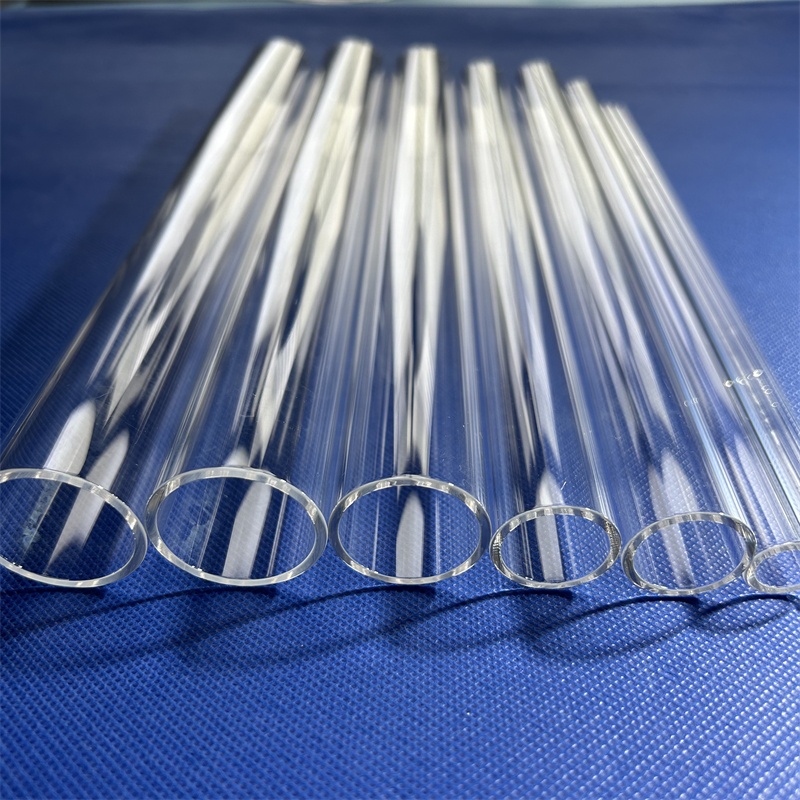
Transparent High Pressure 99.99% Pure Quartz Glass Tube Furnace Boiler Chemical Applications

Chemisorption BET Test High Pressure 99.99% Pure Ozone Free Clear Quartz Glass Twin Tube
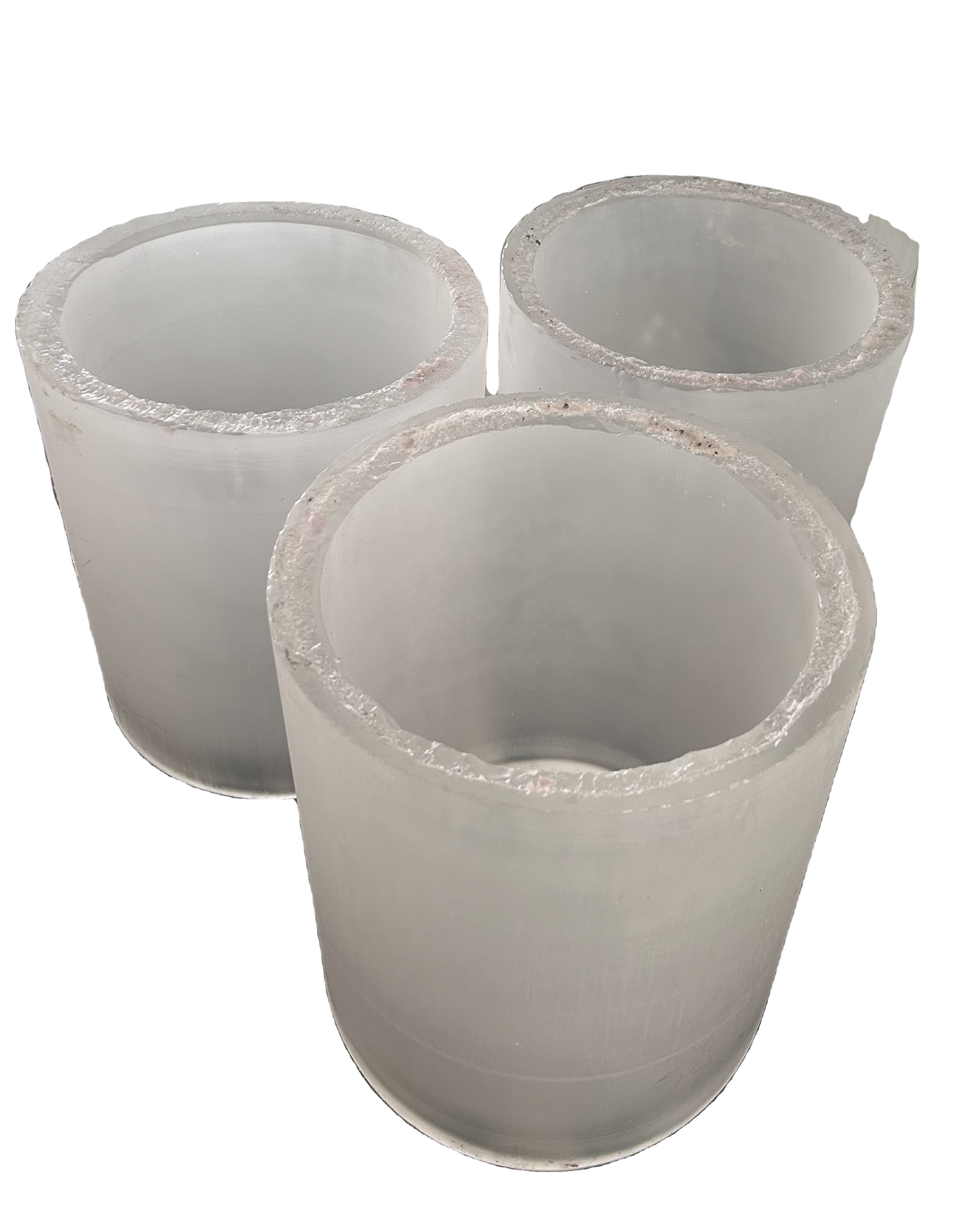
Open Ended Fused Quartz Frosted Glass Cylinder Ingot Custom Sizes for Optics Applications
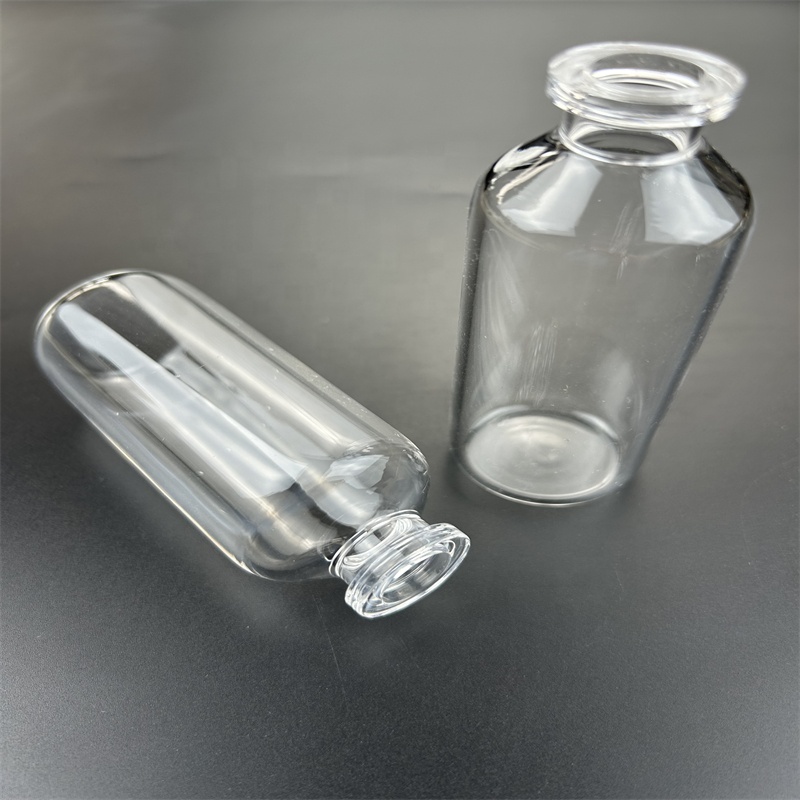
Custom High Pressure Corrosion Resistant Transparent 99.99% Pure Quartz Glass Ampoules
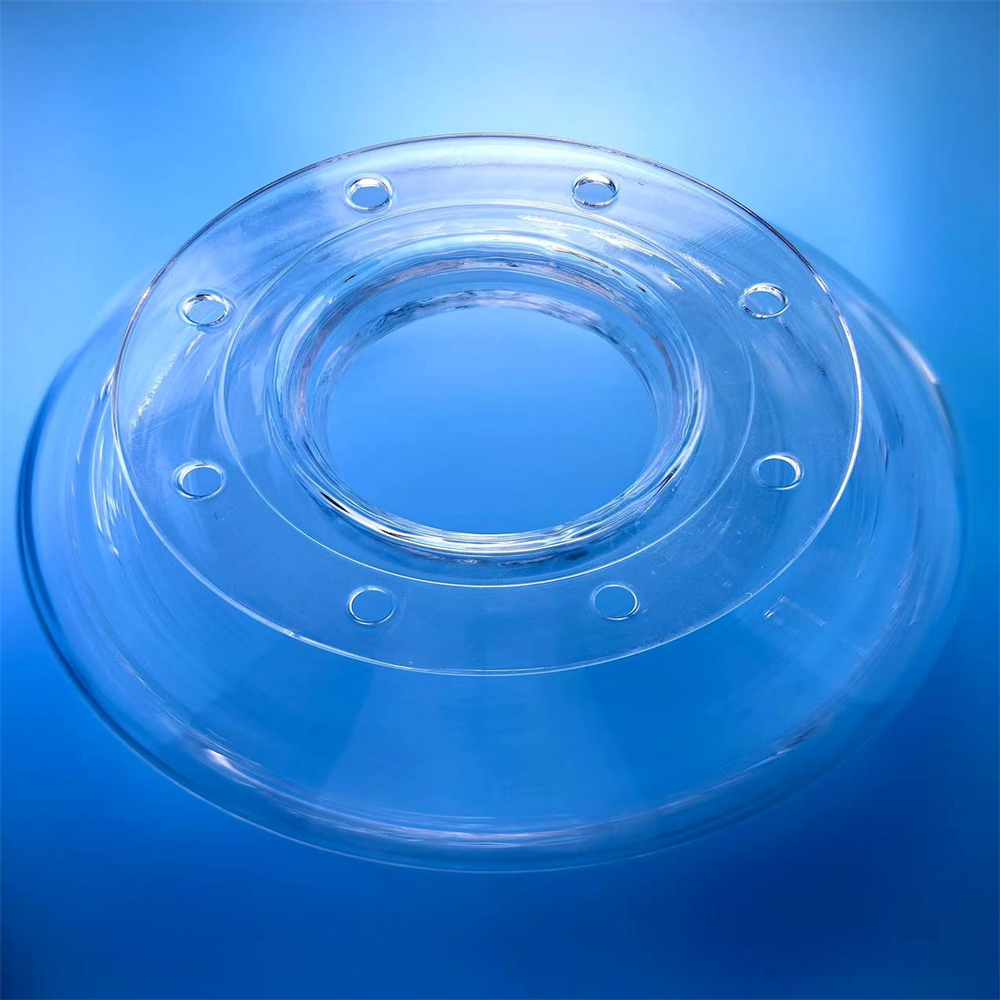
Customize Size Thickness Twin Tube Clear High Purity Flange Quartz Tube Fused Silica
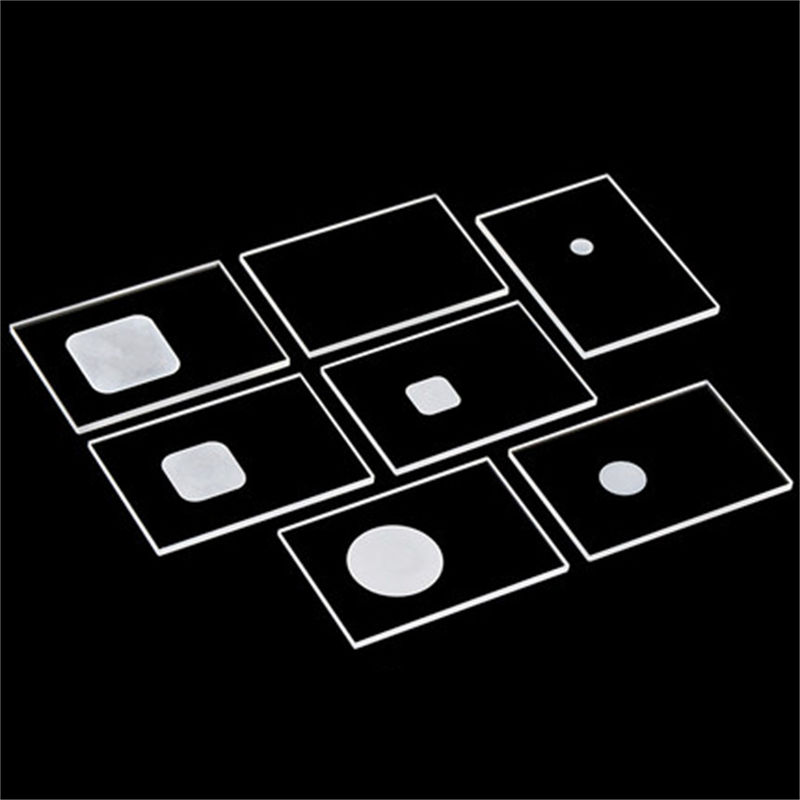
High Temperature Fused Quartz Glass Sheet for XRD Sample Tank Testing Chip Carrier
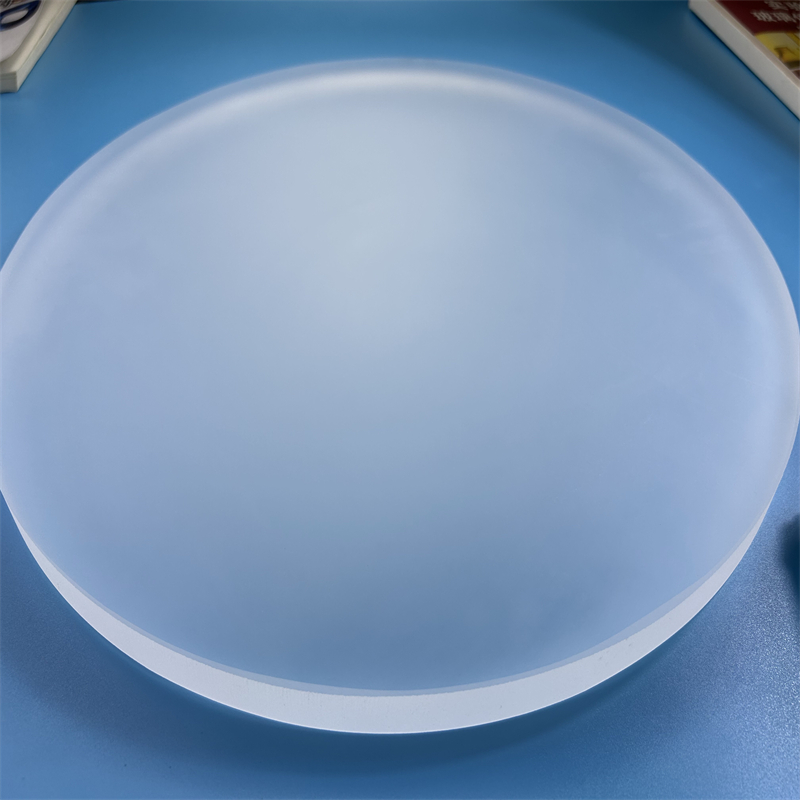
High Temperature Resistance Frosted Quartz Disc/Plate Semiconductor Applications

High Temperature Heat Resistant Clear 99.99% Pure Fused Quartz Twin Tube Welding
Engineering Whitepaper: Trondheim's Demanding Standards for Quartz Sight Glasses
Trondheim holds an undisputed reputation as Norway’s technology capital, anchored by world-class academic institutions such as the Norwegian University of Science and Technology (NTNU) and major applied research centers like SINTEF. Furthermore, the surrounding Trøndelag maritime corridor acts as a vital crucible for advanced subsea engineering, aquaculture automation, deep-water exploration robotics, and specialized clean-energy technology. For original equipment manufacturers (OEMs), subsea sensor builders, and materials researchers across Trondheim, the selection of transparent viewports and structural sight glasses represents a critical path in engineering reliability.
Standard borosilicate or soda-lime glass substrates repeatedly fail when subjected to the hyperbaric pressures, acute cryogenic transitions, and corrosive saline environments characteristic of Norwegian marine testing and high-temperature thermal pyrolysis experiments. As a direct custom manufacturer and specialist exporter situated in Donghai County—the global epicenter for high-purity natural silica synthesis—Zunex Quartz Products Co., Ltd. bridges the supply gap for the Trondheim industrial base, providing structural optical windows fabricated from ultra-pure silicon dioxide (SiO₂ ≥ 99.99%).
| Property Parameter | JGS1 (Synthetic Fused Silica) | JGS2 (Optical Fused Quartz) | JGS3 (Infrared Fused Silica) |
|---|---|---|---|
| Optical Spectrum Transmission | Deep UV to NIR (185 nm – 2500 nm) | Standard UV to Vis (220 nm – 2500 nm) | Visible to Far IR (260 nm – 3500 nm) |
| Hydroxyl (OH⁻) Concentration | ≤ 1200 ppm (High Transmission UV) | ≤ 150 – 200 ppm | ≤ 5 – 10 ppm (Water Absorption Free) |
| Continuous Thermal Working Limit | 1100 °C | 1100 °C | 1150 °C |
| Thermal Shock Resistance (ΔT) | 1100°C water quenching without failure | 1100°C water quenching without failure | 1100°C water quenching without failure |
| Thermal Expansion Coefficient | 5.5 × 10⁻⁷ / °C (0 – 1000 °C) | 5.5 × 10⁻⁷ / °C | 5.4 × 10⁻⁷ / °C |
| Typical Trondheim Industry Target | Laser spectroscopy, UV water purification | Hyperbaric observation ports, pilot kilns | Subsea thermal imaging, IR sensors, FTIR |
The primary advantage of deploying fused silica viewports in Trondheim's local subsea and arctic installations lies in the material’s near-zero coefficient of thermal expansion (5.5 × 10⁻⁷ / °C). When high-intensity subsea illumination systems or laser-induced fluorescence cameras transition rapidly from freezing subsea Arctic waters into internal operating states reaching hundreds of degrees Celsius, fused quartz retains total structural integrity where conventional tempered glass will suffer catastrophic spalling and fracture.
Localized Application Scenarios in Trondheim and Trøndelag
Precision-ground fused quartz plate viewports and specialized tubes fulfill mission-critical roles across key regional industry sectors.
Subsea Robotics & ROVs
Thick-section optical viewports designed to withstand 300+ bar hyperbaric pressure for deep-sea optical telemetries and bathymetric cameras.
Maritime Aquaculture
Heavy-duty, ozone-free UV sterilizer protective quartz sleeves providing 92%+ transmission at 254 nm for biosecurity water treatments.
SINTEF & NTNU R&D
XRD sample carriers, BET twin tubes, and custom micro-reactor flow cells engineered for extreme chemical inertness against concentrated acids.
Green Metallurgy & Carbon
High-temperature combustion tubes and quartz viewing flanges for silicon metal refining pilot plants and hydrogen carbon capture reactors.
Trondheim Market Trends Driving High-Purity Fused Quartz Demands
As Norway navigates the European energy transition, Trondheim acts as the national spearhead for pioneering carbon capture and storage (CCS) pilots, offshore wind sensor arrays, and battery cathode synthesis facilities. In these next-generation plants, processing temperatures consistently surpass 900 °C while containing volatile, highly corrosive intermediate gases. Standard sight glass components corrode rapidly or lose transparency due to devitrification.
Consequently, procurement officers and mechanical design teams in Trondheim have adopted strict sourcing specifications: optical components must offer certified chemical purities above 99.99% SiO₂, surface flatness ratings within 1 to 2 wavelengths per inch, and zero micro-cracks along CNC-drilled mounting perimeters. Additionally, the drive toward digital autonomous shipping and autonomous subsea inspection vessels operating throughout the Norwegian Sea has dramatically scaled the necessity for JGS3 infrared-transparent quartz windows that facilitate multi-spectral imaging without signal attenuation.
Why Norwegian Buyers Partner Directly with Zunex Quartz
We combine deep manufacturing heritage from China's quartz capital with rigorous export protocols geared for European engineering precision.
Precision Laser Finishing
Beyond traditional flame polishing, our manufacturing floor features 5-axis laser cutting, precision hole trepanning, and micrometer-level step slotting. This eliminates edge micro-fissures, dramatically enhancing the compressive burst pressure of circular sight glasses installed in deep-water pressure vessels.
Engineered Export Crate System
Shipping precision, heavy-wall quartz optics to Trondheim demands zero packaging failure. Zunex employs double-layer high-density custom EVA foam nesting encased within reinforced fumigated timber cases. Every shipment includes certified tilt/shock detection sensors, guaranteeing 100% intact delivery via air or maritime express.
Rapid Technical Response (≤ 2h)
Our sales engineering desk operates across global time zones, ensuring your 3D CAD files (STEP, DWG, PDF) receive formal manufacturability reviews and commercial quotations within 2 hours. We routinely support low-volume research prototypes for academic researchers up to recurring scheduled runs for commercial OEMs.
Procurement FAQ: Sourcing Quartz Windows for Trondheim Industry
Direct technical answers addressing dimensional tolerances, material grading, customs clearance, and pressure testing.
What specific fused silica grade is recommended for subsea ROV viewports operating in the Norwegian Sea?
Can Zunex manufacture thick-wall quartz window discs according to customer-supplied STEP or DWG files?
How does fused quartz withstand hyperbaric hydrostatic pressures in offshore deep-sea equipment?
What documentation and quality certifications accompany orders shipped to Norway?
What are the typical export transit timelines from your factory to Trondheim?
Ready to Engineer Your Custom Quartz Components?
Send your CAD models, dimensional blueprints, or technical specifications directly to our senior engineering desk. Receive an authoritative manufacturability assessment and competitive direct-factory quotation within 2 hours.
Get a Quote