Core Engineered Fused Quartz Solutions
Tailored component configurations optimized for continuous thermal loads up to 1100°C, extreme thermal shock resistance, and certified optical clarity across UV, visible, and infrared spectra.
 1100°C Resistant
Custom Size Clear Fused Quartz Plate Premium Quality (1100C)
Ultra-flat quartz sheet custom ground and polished for metallurgical furnace observation, plasma chambers, and laser welding protection.
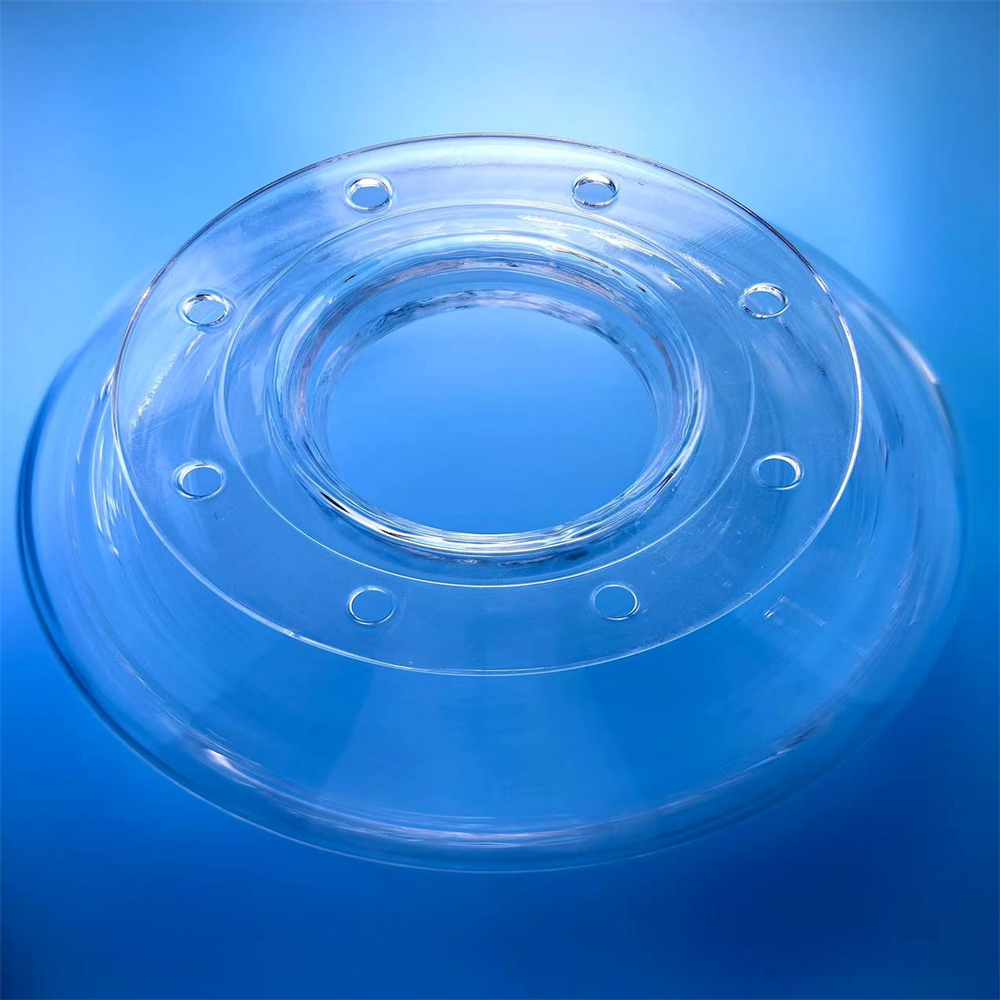 Flanged & Polished
High Purity Flange Twin Quartz Tube Fused Silica
Dual-channel continuous flow twin quartz tube with precision welded ground-joint flange rings for high-throughput thermal processing.
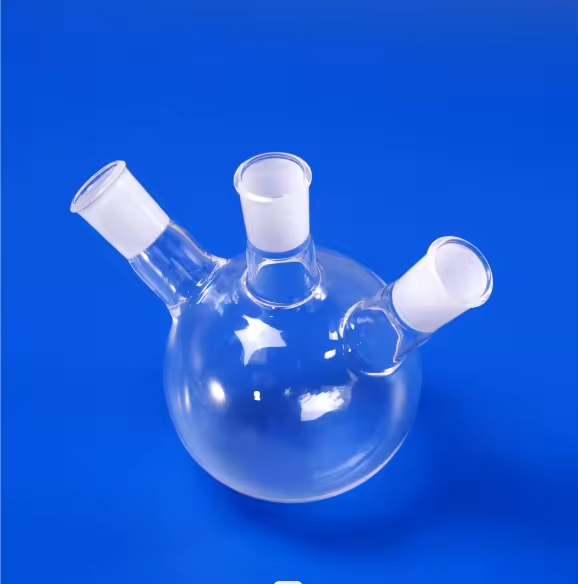 Lab Grade Synthetic
Quartz Glass Twin Tube Bottom Flask Labware
Specialized molded twin bottom reaction vessels exhibiting inert resistance against concentrated acids, aqua regia, and thermal cycling.
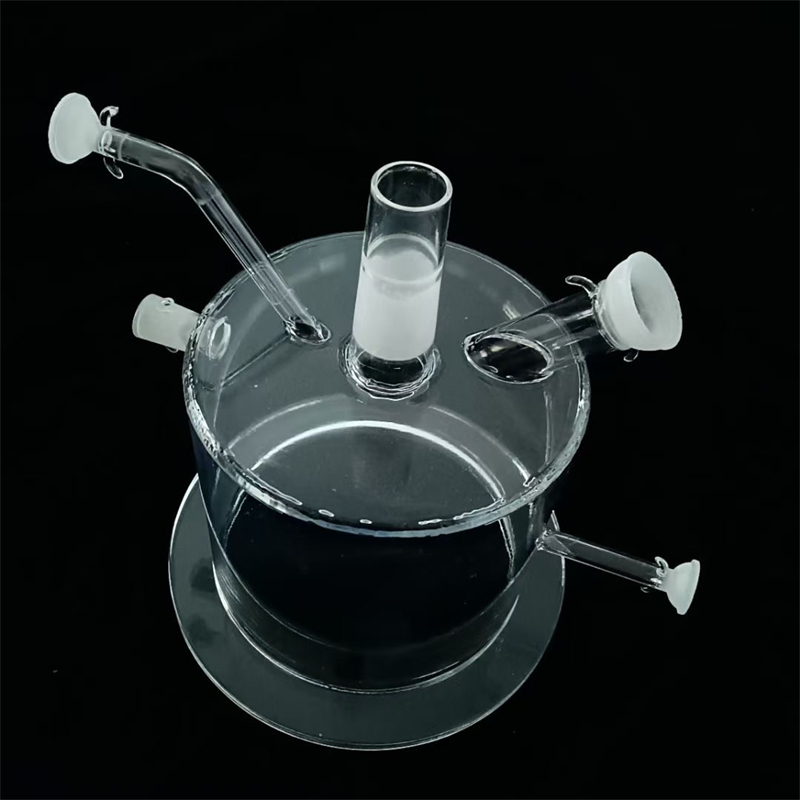 99.99% SiO₂ Purity
Customized High Pressure Clear Quartz Glass Tube
Heavy-wall quartz tubing engineered to endure dynamic pressure loads and intense thermal stress, fabricated ozone-free with fire-polished rims.
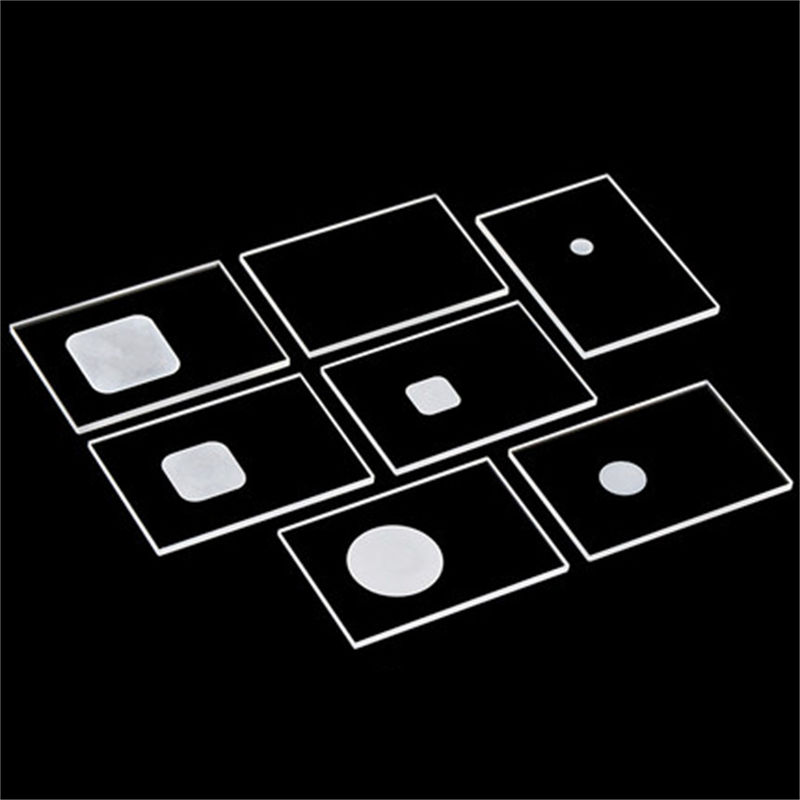 XRD Zero-Background
Fused Quartz Glass Sheet for XRD Sample Testing
Precision slotted carrier plates and micro-machined test substrates designed to ensure zero background interference in X-ray diffraction tests.
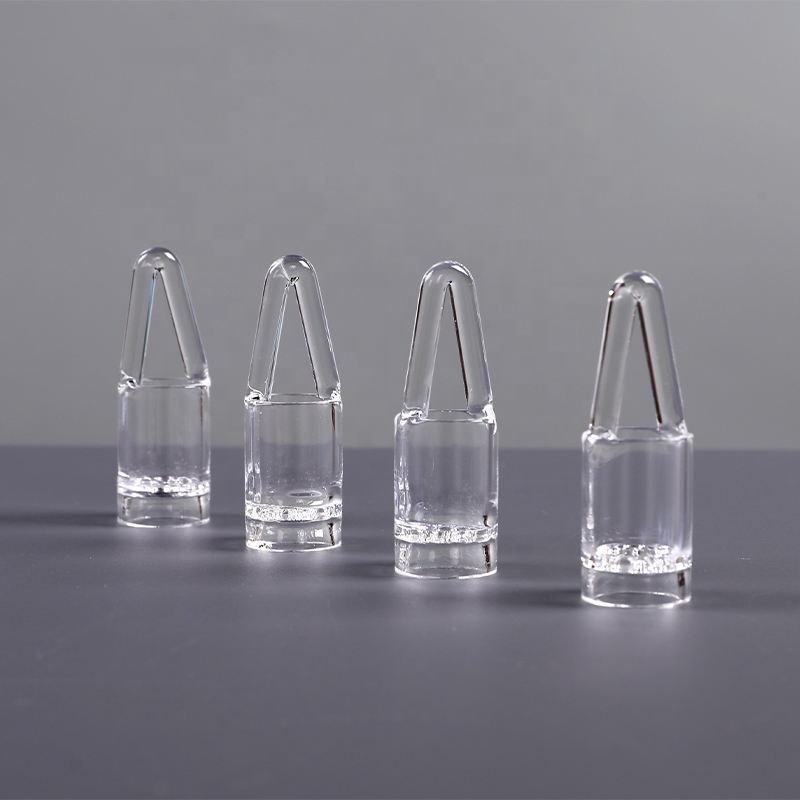 Ozone Free / Bended
99.99% Pure Quartz High Pressure Furnace Tube
Custom bending, vacuum sealing, and high-pressure resilience for continuous annealing lines, vacuum furnaces, and chemical synthesis.
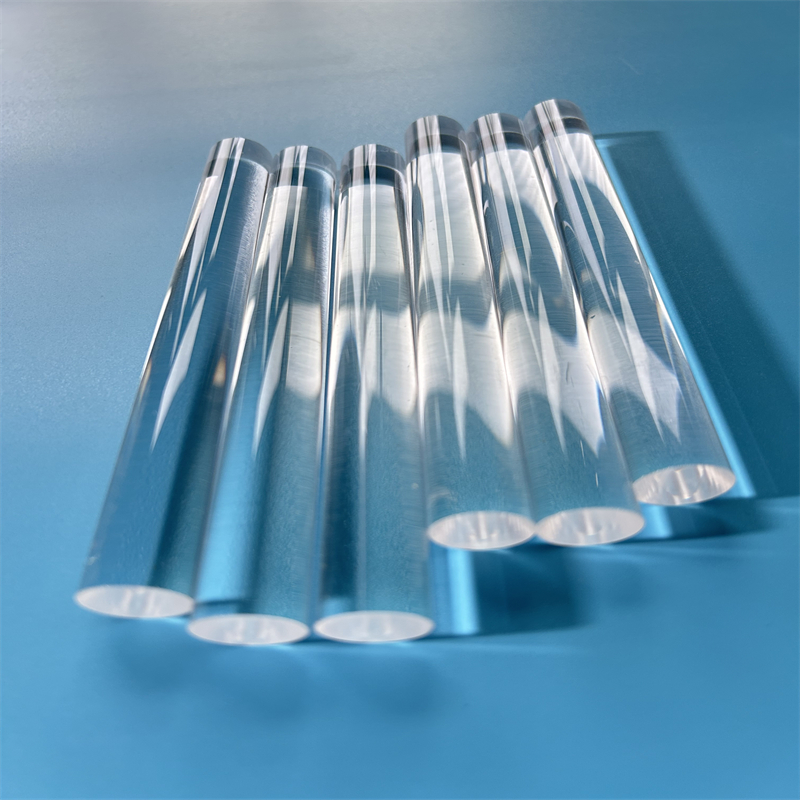 JGS1 Optical Core
Optical Quartz Light Guide Cylinder Rod 99.99% SiO2
Ultra-pure cylindrical quartz rods tailored for UV lithography, high-flux optical transmission, laser guidance, and sensor instrumentation.
 Bending & Welding
Fused Quartz Twin Tube with Custom Welding
Dual-bore infrared heating jacket tube equipped with precision gold reflector coatings and specialized multi-angle bends for thermal lines.
Differdange’s Industrial Ecosystem & Extreme Quartz Demands
Differdange, recognized historically as the crucible of Luxembourg’s heavy metallurgy and structural steel production (home to world-renowned grey-beam rolling mills and advanced electric arc furnaces), is in the midst of a technological renaissance. Operating within the Canton of Esch-sur-Alzette and bordering the high-tech Belval innovation corridor, Differdange's manufacturing landscape demands uncompromising thermal and optical materials capable of surviving environments where conventional borosilicate glasses instantly soften or shatter.
Why Fused Quartz is Indispensable to Differdange's Engineering Operators
In high-tonnage electric arc furnace (EAF) steelmaking, automated continuous beam annealing, and specialized vacuum degassing setups, operating temperatures frequently surge past 1000°C. Standard industrial glass exhibits a thermal expansion coefficient that induces immediate spallation under rapid temperature swings. Our fused silica features a near-zero coefficient of thermal expansion (5.5 × 10⁻⁷ /°C), enabling an operator to extract a red-hot quartz sight tube from an 1100°C annealing chamber and plunge it into ice water without structural fracturing.
Metallurgical Sight Glasses & Pyrometry
Heavy steel plants in Differdange rely on infrared pyrometers to gauge continuous molten metal temperatures. Standard observation ports darken and degrade under persistent heat and slag vapor. Our JGS3 low-OH infrared quartz windows deliver 90%+ flat transmittance across 1000 nm to 3500 nm wavelengths, ensuring non-contact sensors maintain calibration without optical distortion or chromatic deviation.
Continuous Furnace Combustion & Gas Sampling
Analyzing off-gases from blast systems and hydrogen-injected EAF furnaces requires gas sampling tubes that withstand extreme chemical reduction. Fused quartz is completely inert to sulfur dioxide, hydrogen chloride, carbon monoxide, and aggressive fumes at elevated temperatures, maintaining gas stoichiometry intact for mass spectrometry down the line.
Belval R&D Corridor: XRD & Nano-Analytics
Located immediately adjacent to Differdange, the Luxembourg Institute of Science and Technology (LIST) and partner university laboratories require custom zero-background quartz sample holders for X-ray diffraction (XRD) of specialized composite alloys. Our precision laser-milled slotted boats and carrier wafers minimize diffuse X-ray scatter, ensuring absolute phase determination in material research.
Fused Silica vs. Synthetic Quartz: Structural Benchmark
Selecting the appropriate grade for Differdange procurement agents involves understanding thermal thresholds, chemical resistance, and optical bandpass criteria. The engineering dataset below details the operational boundaries of our materials manufactured in accordance with strict international ASTM and DIN glass protocols.
| Critical Parameter | JGS1 (Synthetic Fused Silica) | JGS2 (Optical Fused Quartz) | JGS3 (Infrared Fused Quartz) | Standard Borosilicate 3.3 |
|---|---|---|---|---|
| Primary Transmission Band | 185 nm – 2500 nm (Deep UV) | 220 nm – 2500 nm (UV-Vis) | 260 nm – 3500 nm (Infrared) | 350 nm – 2000 nm |
| Hydroxyl (OH⁻) Content | < 5 ppm – 1200 ppm (Grade specific) | ≤ 30 ppm | ≤ 5 ppm (Water-free IR) | N/A (Complex Oxide) |
| SiO₂ Purity Grade | ≥ 99.999% | ≥ 99.99% | ≥ 99.98% | Approx. 80.6% |
| Continuous Safe Operating Temp | 1100 °C | 1100 °C | 1100 °C | 450 °C – 500 °C |
| Peak Short-Term Working Temp | 1300 °C | 1300 °C | 1300 °C | 550 °C |
| Thermal Expansion (20–320°C) | 5.5 × 10⁻⁷ / °C | 5.5 × 10⁻⁷ / °C | 5.5 × 10⁻⁷ / °C | 33 × 10⁻⁷ / °C (6x Higher!) |
| Softening Point | 1683 °C | 1683 °C | 1683 °C | 820 °C |
| Acid Resistance (HCl, HNO₃, H₂SO₄) | Completely Inert (Except HF) | Completely Inert (Except HF) | Completely Inert (Except HF) | Prone to etching over time |
Emerging Manufacturing & Decarbonization Trends in Differdange
The industrial sector across southern Luxembourg is executing unprecedented decarbonization roadmaps under European Green Deal directives. This structural shift alters the engineering specifications for process glassware across three dominant sectors:
1. Hydrogen-Enriched Steel Annealing
To reduce blast furnace carbon emissions, metallurgical pilots in the Greater Region are blending hydrogen gas into furnace atmospheres. Hydrogen-rich combustion environments generate higher water vapor partial pressures that aggressively leach sodium, potassium, and boron from typical industrial sight glasses, resulting in premature hazing and micro-cracking. Pure fused quartz with minimal trace alkalis (< 0.1 ppm) is the only transparent medium capable of surviving long-term H₂ combustion atmospheres without vitrification.
2. High-Efficiency Infrared Radiative Curing
Local industrial coating, polymer crosslinking, and coil surface treatment processes in Differdange are replacing convection gas drying with high-intensity twin-tube infrared quartz emitters. These systems require specialized double-bore fused quartz twin tubes with micron-level straightness tolerances and reflective gold backings to focus radiative heat up to 100 W/cm without sagging over 3-meter spans.
3. Rigorous Trace Element Control in R&D
With cross-border research collaborations between Luxembourg, France, and Germany centering on battery electrolytes, fuel cell catalysts, and solar cell thin films, test contamination from laboratory vessels is no longer tolerated. Our quartz beakers, crucibles, and combustion boats undergo high-temperature de-hydroxylation and multi-acid leaching, guaranteeing zero ionic migration into critical test matrices.
Why Differdange Engineers Partner With Zunex Quartz
Combining the mineral resource scale of China’s crystal capital (Donghai) with European-grade finishing tolerances, our manufacturing facility bridges the gap between raw quartz synthesis and high-precision custom fabrication.
Direct OEM to Drawing
From CAD, DWG, and STEP files to completed quartz glass hardware. We produce custom single prototypes up to multi-thousand piece batch orders precisely to your tolerance schematics.
5-Axis Laser Micro-Finishing
State-of-the-art laser drilling, chip-free slotting, and contour machining on quartz plates and tubes down to ±0.02 mm tolerances without inducing micro-fractures along peripheral edges.
≤ 2-Hour Technical Response
Our engineering team verifies manufacturability, raw material grade availability, and thermal considerations within two hours of submission, ensuring prompt procurement cycles.
Safe European Logistics
Custom form-fitting polyethylene molds, suspension crates, and ISPM-15 export wooden packaging guarantee zero breakages directly to industrial parks across Differdange and Luxembourg.
Frequently Asked Questions by Differdange Buyers
Essential guidance on international material standards, cross-border freight handling, mechanical tolerances, and thermal integrity for Luxembourg project managers.
We manage shipments via direct DDP (Delivered Duty Paid) air freight or DAP via Luxembourg Findel Airport (LUX) or Liège hub. Consignments arrive with complete customs clearance documentation, HS tariff classifications (typically HS 7002.31 or 7017.10), and compliant EU commercial invoices, requiring no administrative friction for local plants.
Yes. High-temperature metallurgical facilities in Differdange frequently require raw material trace purity certificates. On request, we provide spectrochemical analyses covering ppm levels of Fe, Al, Ti, Ca, Mg, Na, and K, along with dimensional validation inspection sheets matching your technical CAD specifications.
Standard prototypes or custom quartz components are machined, flame-polished, annealed, and visually inspected within 5 to 10 working days. With express air cargo, parts land in Differdange within 4 to 6 transit days. Critical emergency replacements for line shutdowns can be prioritized on accelerated fabrication schedules.
While fused quartz offers unmatched resistance to almost all acids (nitric, sulfuric, hydrochloric) even at extreme temperatures, direct contact with basic slags or alkaline dusts (CaO, MgO, Na₂O) at temperatures exceeding 1000°C can catalyze surface devitrification (cristobalite crystal growth). For such furnace environments, our engineers design specialized quartz shrouds or sacrificial sight glass barriers to extend maintenance cycles.
We do not enforce prohibitive MOQs. Whether you require a single bespoke quartz reaction tube for an experimental pilot reactor in Belval or 5,000 precision-cut quartz viewing windows for an ongoing rolling mill series in Differdange, our production facility supports both agile prototyping and full volume production.
Our verified zero-damage packaging protocol features multi-layer custom foam nesting, interior shock-absorption layers, vacuum-sealed polyethylene sleeves to block airborne humidity, and reinforced fumigated export crates. Every shipment is fully insured with door-to-door carrier tracking.