Direct Industrial Manufacturing • Export Logistics to SVG
Quartz Optical Rod Factory & Suppliers in Kingstown
High-purity fused silica (SiO₂ ≥ 99.99%), JGS1 deep ultraviolet light guides, laser-grade ground rods, and specialized thermal quartzware engineered for regional labs, marine photonics, and renewable energy facilities.
Precision Catalog Selection
Featured Industrial Fused Quartz Solutions
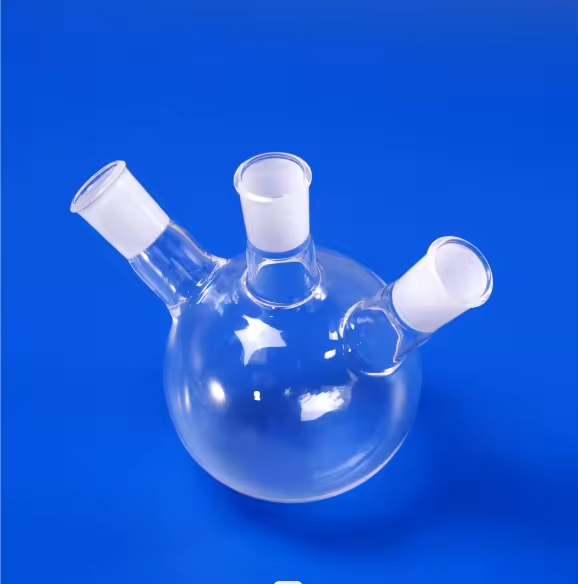
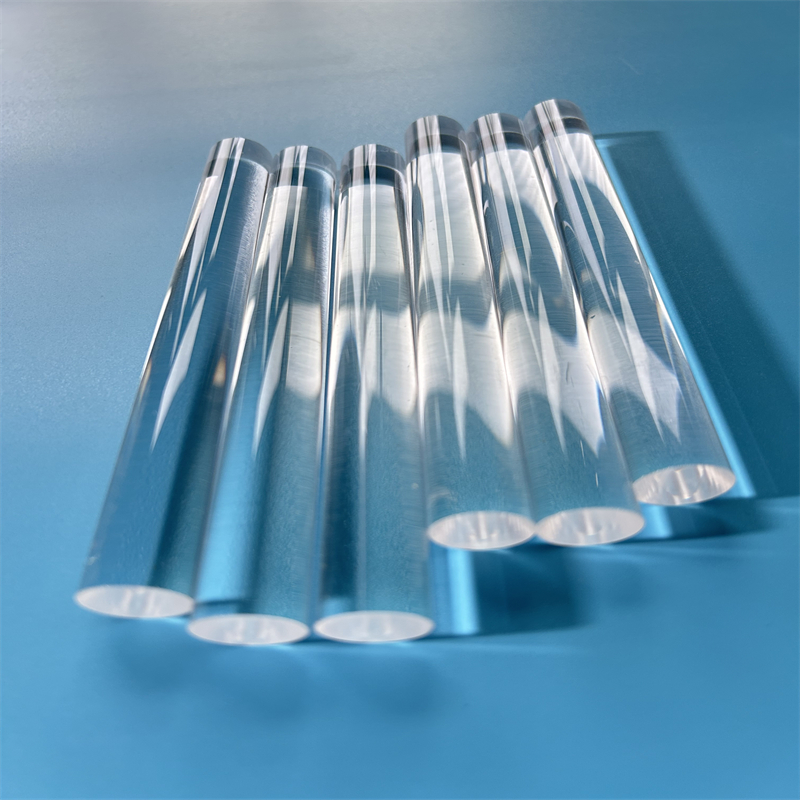
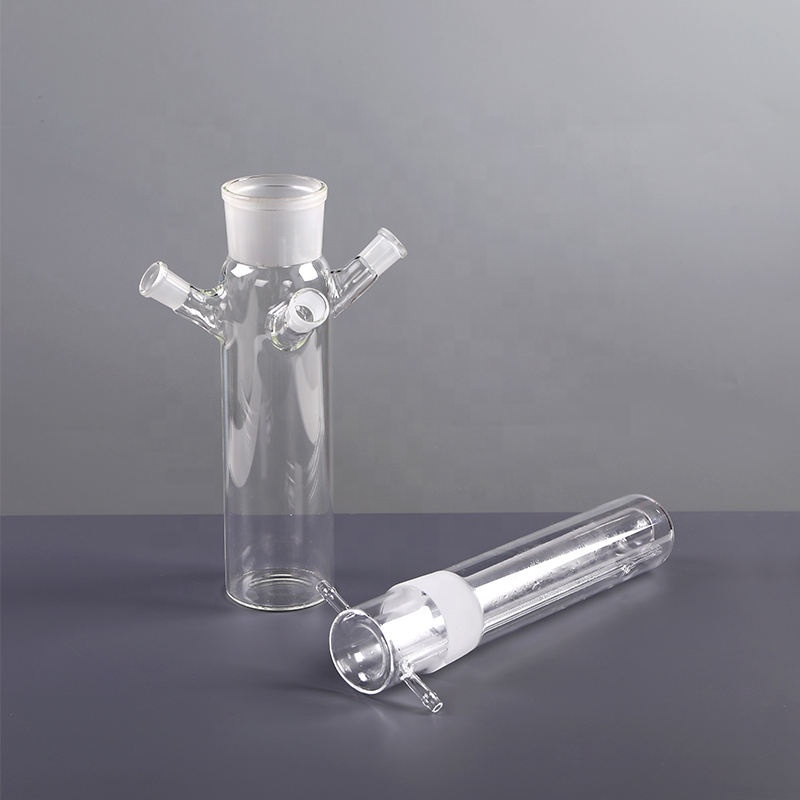
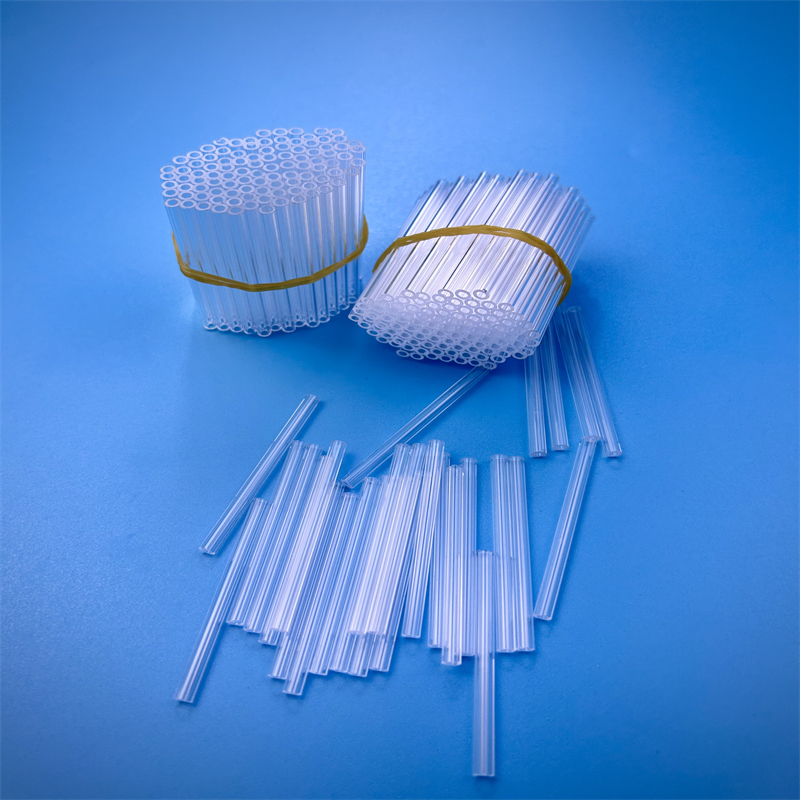
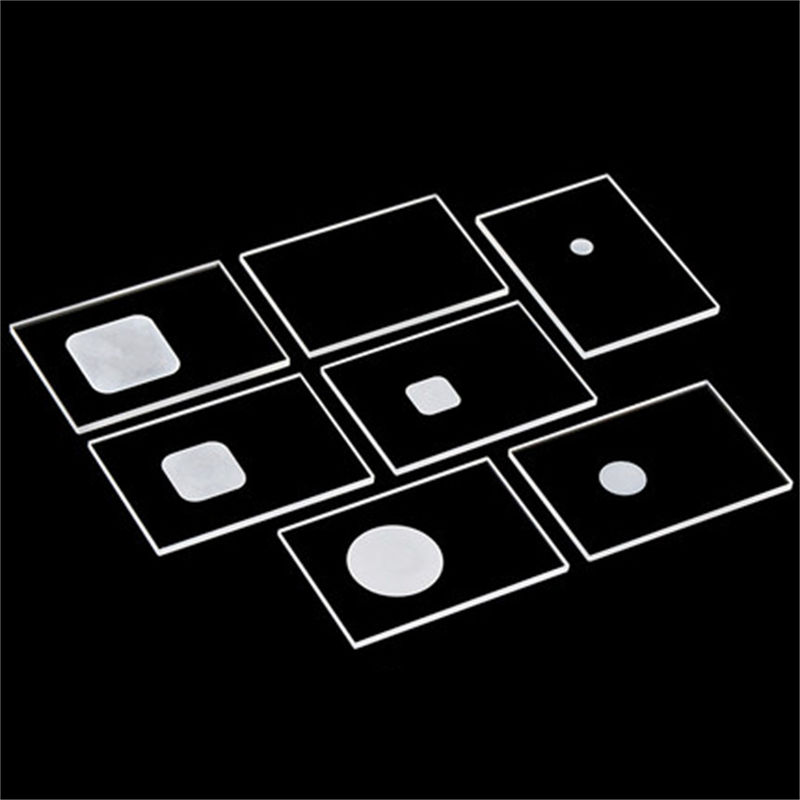
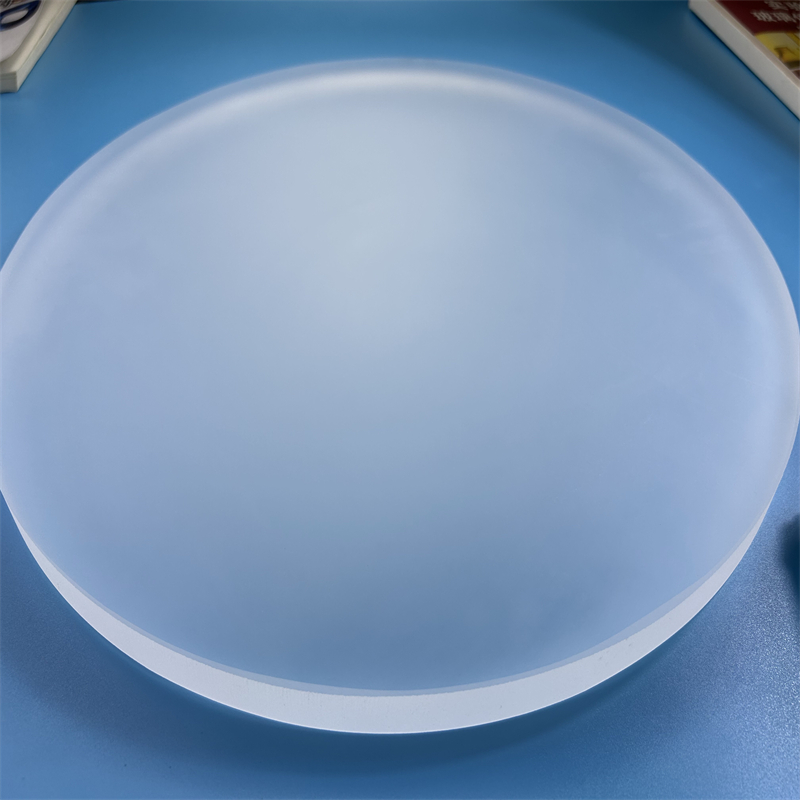
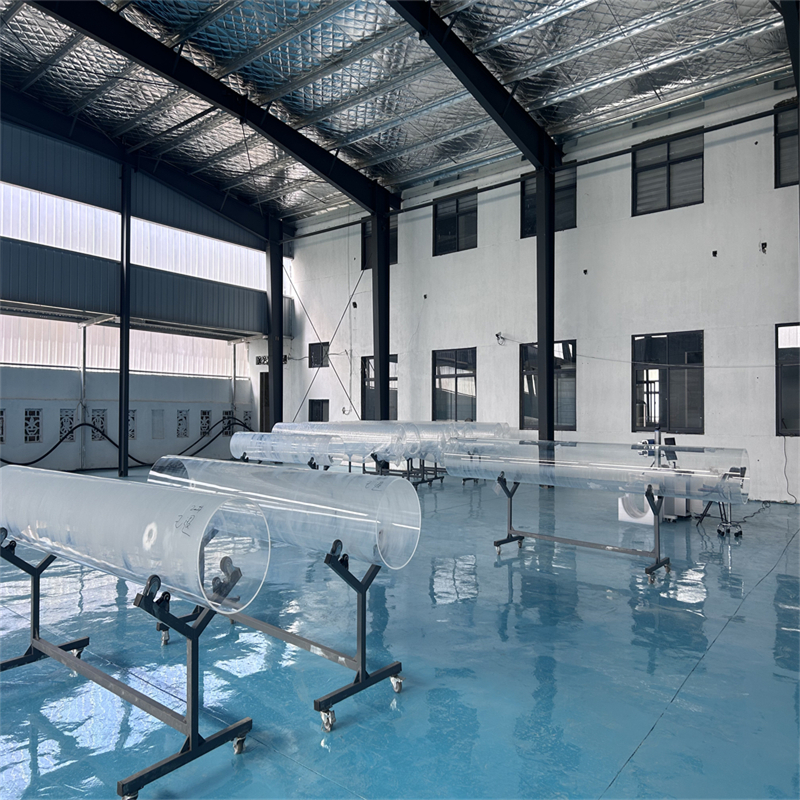
Precision-machined optical cylinders, chemical quartzware reactors, twin furnace tubes, and polished window sheets configured to client drawings and certified for harsh optical and thermal environments.
Understanding total internal reflection, OH hydroxyl ion absorption boundaries, and optical homogeneity for instrumentation deployed across the Caribbean basin.
Total Internal Reflection (TIR)
Optical quartz rods operate as non-clad or clad light conductors utilizing Total Internal Reflection. With a core refractive index of n = 1.4585 at the sodium D-line (589.3 nm), the critical boundary angle against ambient air is θc = 43.3°. Precision flame-polishing or super-fine cylindrical centerless grinding maintains the surface roughness below Ra < 0.5 nm, virtually eliminating scatter loss across extended transmission lengths up to 2000 mm.
Deep UV vs. Low-OH NIR Control
Selection of the raw silica crystal matrix dictates spectral attenuation. In JGS1 synthetic silica, hydroxyl content ([OH⁻] ~ 800–1200 ppm) eliminates optical absorption bands in the vacuum ultraviolet spectrum, permitting > 90% transmission at 193 nm and 254 nm. Conversely, for thermal infrared transmitters or laser coupling, JGS3 electrical fused silica achieves low-hydroxyl concentration ([OH⁻] < 2 ppm), eradicating the deep 2.73 µm water absorption band.
Thermal Shock Resistance
The coefficient of thermal expansion (CTE) of amorphous fused silica is an extraordinary 5.5 × 10⁻⁷ /°C between 20°C and 320°C—approximately 1/20th that of standard soda-lime or borosilicate glass. This allows an optical rod red-heated to 1150°C to be instantaneously plunged into cold coastal Caribbean seawater without developing structural micro-fissures, spalling, or loss of optical transmission integrity.
Material Benchmarking
Optical Quartz Grades: JGS1 vs. JGS2 vs. JGS3
Comparative parameters to assist Kingstown engineering teams, laboratory researchers, and equipment designers in selecting the optimal glass stock.
Characteristic Parameter
JGS1 (Synthetic Silica)
JGS2 (Optical Fused Quartz)
JGS3 (Infrared Fused Silica)
Primary Spectral Transmission Band
185 nm – 2,500 nm (Deep UV-VIS)
220 nm – 2,500 nm (Standard Optical)
260 nm – 3,500 nm (Near to Mid IR)
Hydroxyl [OH⁻] Content
800 – 1,200 ppm (High purity hydrous)
30 – 150 ppm (Typical trace)
≤ 2 – 5 ppm (Electrically melted dry)
Absorption Peak at 2.73 µm
Strong infrared attenuation
Moderate absorption band
Virtually eliminated (clean window)
Bubble Class (DIN ISO 10110)
0 / 0 (Zero bubble inclusions)
Class 1–2 (Minimal micro-seed)
Class 1 (Clean IR homogeneity)
Refractive Index nd (589.3 nm)
1.4584
1.4585
1.4586
Annealing Point / Softening Point
1140°C / 1680°C
1215°C / 1683°C
1220°C / 1700°C
Recommended Application Focus
Laser lithography, UV-C marine sensing
Sight glass, solar testing, lab rods
IR pyrometry, thermal waveguides, lamps
Localized Deployment
Engineering Applications in Kingstown & Eastern Caribbean
While Kingstown, Saint Vincent and the Grenadines, is renowned for its maritime logistics, blue economy infrastructure, and growing renewable initiatives, local facilities require specialized materials capable of enduring humid, salt-laden marine air and intensive tropical solar irradiation.
UV-C Seawater Desalination & Aquaculture Sterilization: Quartz optical light guide rods and protective sleeves transmit 254 nm germicidal irradiation through deep-sea aquaculture intakes and municipal brackish water treatment facilities without solarization discoloration.
Geothermal & Volcanic Subsurface Optical Sensing: With Saint Vincent's active volcanic topography, downhole sensor instrumentation utilizes high-temperature quartz rods as heat-immune optical wave carriers up to 1000°C.
Photovoltaic & Solar Pyranometer Calibration: Ground-based meteorological and solar research stations throughout Kingstown Port and Argyle rely on high-homogeneity fused quartz rods to collimate and direct solar flux into high-precision spectrometers.
Port Marine Diagnostic & Spectrophotometry Labs: Analytical testing labs examining bunkering fuels, ballast water contamination, and marine biotics utilize acid-resistant quartz vessels and light cylinders.
Market & Supply Chain Trajectory
Development Trends in Caribbean Precision Optics Procurement
How infrastructure upgrades in Saint Vincent and the Grenadines are transforming direct factory sourcing from Donghai's crystal belt to the Port of Kingstown.
Modernization of Kingstown Port Infrastructure
With the major modernization of Kingstown's multi-million-dollar port facilities, freight clearance times and container handling for fragile precision cargo have improved significantly. Direct sea freight via transshipment hubs (such as Kingston, Jamaica or Port of Spain, Trinidad) facilitates safe delivery of high-value optical components without intermediate handling hazards.
Shift to Direct Factory-to-Laboratory Sourcing
Caribbean research institutions and industrial operators are pivoting away from multi-tier intermediaries in North America and Europe. Procuring directly from OEM manufacturers in Donghai reduces component overhead by 35% to 50%, while securing customized tolerances (±0.01 mm) and personalized material test certificates (MTCs).
Rigorous Climate & Saline Resistance Demands
Standard optical glasses (BK7, borosilicate) exhibit gradual surface clouding and chemical degradation under high ambient relative humidity (RH > 85%) and sea-spray salt mist. Fused quartz’s chemically inert 99.99% SiO₂ matrix guarantees infinite operational life with zero solarization or micro-pitting in marine environments.
Factory Capabilities
Why Direct Importers Depend on Zunex Quartz
Headquartered in Donghai County—China's recognized capital of natural crystal and silica refinement—Zunex Quartz Products Co., Ltd. combines advanced hot flame manipulation with computerized CNC cold machining.
Certified Rapid Response: 100% verified response rate with engineering feedback delivered in ≤ 2 hours to match Western Hemisphere business hours.
Laser Drilling, Slotting & Flame Polishing: Specialized laser trepanning ensures micro-hole creation without subsurface edge micro-fractures down to ±0.01 mm precision.
Proven Buyer Trust: 43% repeat-order rate from international engineering procurement managers and industrial users.
Multi-Stage Optical Inspection: Strict interferometric inspection, polariscope stress tests, and spectrophotometer verification prior to overseas crating.
Procurement Guidance
Frequently Asked Questions by Kingstown Importers
Practical answers regarding international maritime shipping, customs documentation, packaging safety, and optical specification standards.
How are fragile quartz rods packaged for transit to Saint Vincent (Kingstown)?
Every optical rod is individually cleaned, wrapped in dust-free electrostatic protective film, encased in custom high-density pearl cotton (EPE) shock-absorbing foam molds, and sealed within multi-layer reinforced export wooden crates (fumigation-free plywood conforming to ISPM 15 standards). For high-precision optical rods, vacuum skin-packing prevents any micro-chafing. We have maintained a zero-breakage freight rate across Atlantic and Caribbean sea-air logistics corridors.
What is the standard lead time for deliveries into the Port of Kingstown or Argyle International Airport?
Standard diameter rods (e.g., Ø 3 mm to Ø 30 mm) and catalog plates are usually dispatched within 5 to 7 business days from our Donghai factory. Expedited door-to-door air freight via DHL, FedEx, or UPS to Kingstown arrives within 6 to 9 days. For heavy batch shipments of furnace tubes and reactor containers, sea container shipping through regional Caribbean transshipment hubs takes approximately 30 to 40 days to Kingstown Port.
Can you manufacture optical quartz rods strictly according to CAD/STEP drawings?
Yes. Customization according to technical drawings is our core capability. We accept 2D PDF/DWG files and 3D STEP/IGES models. Our engineering department verifies dimension tolerances, geometric runout, end-face parallelism, surface scratch-dig specifications (e.g., MIL-PRF-13830B 40-20 or 20-10), and chamfer bevels before releasing formal quotes and initiating CNC machining.
How does fused quartz perform under high humidity and marine salt-fog exposure?
Unlike borosilicate or standard crown glasses that can leach alkali ions and suffer from surface devitrification in warm saline coastal environments, high-purity synthetic and fused quartz consists of over 99.99% pure silicon dioxide. It is completely insoluble in water and unreactive with chlorine, salt mist, and all industrial acids (except hydrofluoric and hot phosphoric acid above 300°C), making it the premier choice for Caribbean coastal marine sensors.
What documents are provided for St. Vincent customs clearance and import duties?
With every shipment to Kingstown, we provide a complete export documentation suite: Commercial Invoice, Packing List with detailed net/gross weights and cubic meterage, Certificate of Origin (CO), Air Waybill (AWB) or Ocean Bill of Lading (B/L), along with internal Quality Inspection Reports and Material Test Certificates (verifying purity and optical transmittance curves).
What end-face surface finishes are available for quartz light rods?
We provide four distinct end-face finishes tailored to specific optical coupling requirements: (1) Fine ground / frosted for diffuse light distribution; (2) Flame polished for high-strength, economical light transmission; (3) Optical mechanical double-side polished (surface roughness Ra < 1 nm, scratch-dig 60-40 or 40-20) for laser beam coupling; and (4) Precision AR (anti-reflective) optical coated end faces to minimize Fresnel reflection losses.
Connect with Zunex Optical Engineers Today
Submit your design drawings, technical specifications, or requested dimensions. Receive a detailed quotation, material recommendations, and DFM manufacturability feedback within 2 hours.