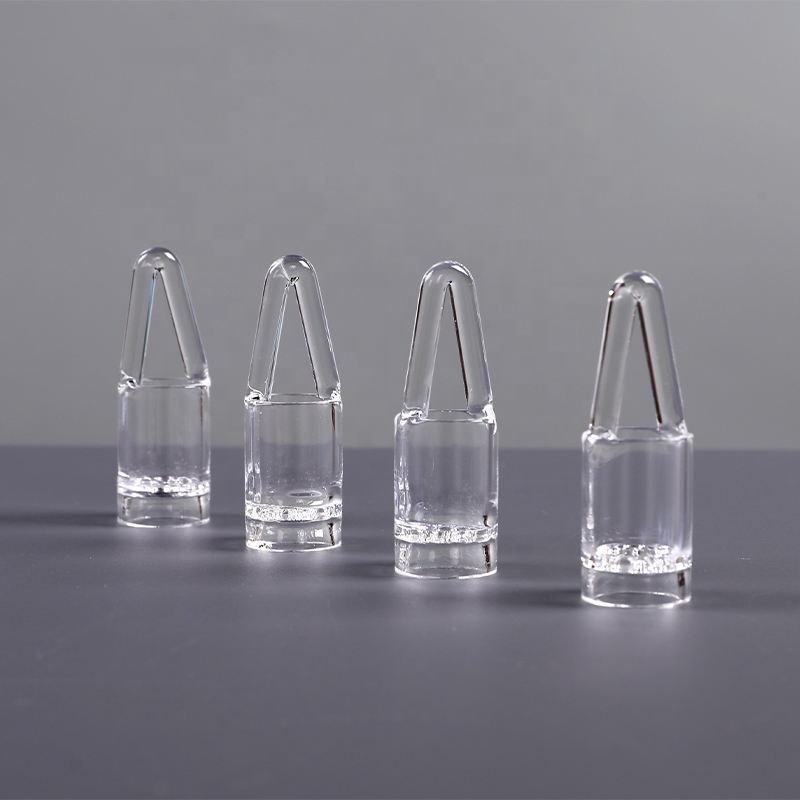
Procurement Guide & Technical Whitepaper
Industrial-Grade Fused Quartz Supply for Portsmouth's Technology Hub
Addressing the stringent thermal, mechanical, and optical tolerances required across defense engineering, marine sensors, life sciences, and precision optics in the Solent corridor.
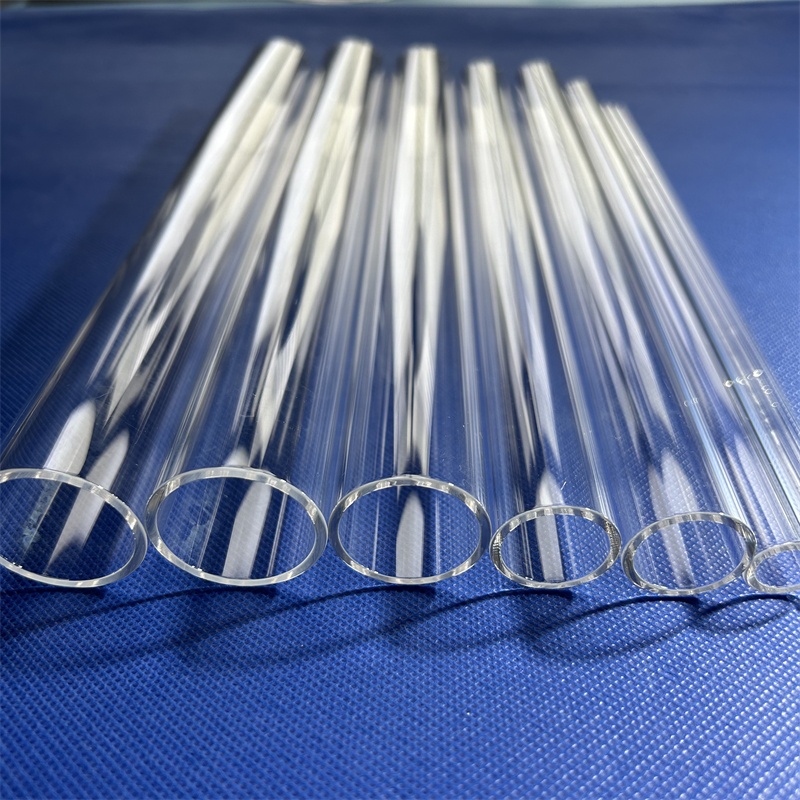
Transparent High Pressure 99.99% Pure Quartz Glass Furnace Tube
View Specifications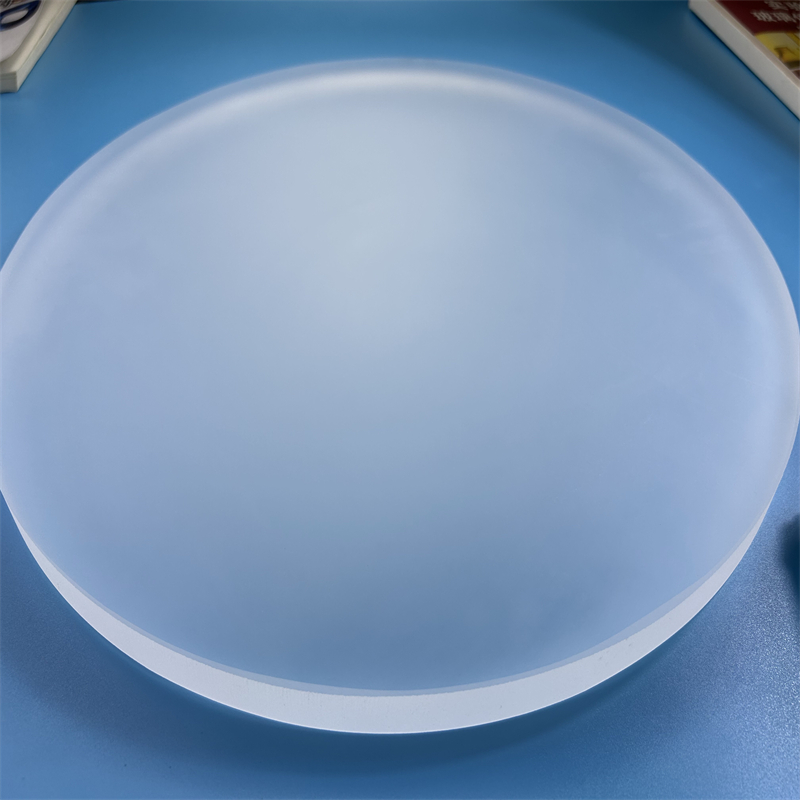
High Temperature Resistance Frosted Quartz Disc & Plate
View Specifications
Chemisorption BET Testing High Pressure 99.99% Pure Twin Tube
View Specifications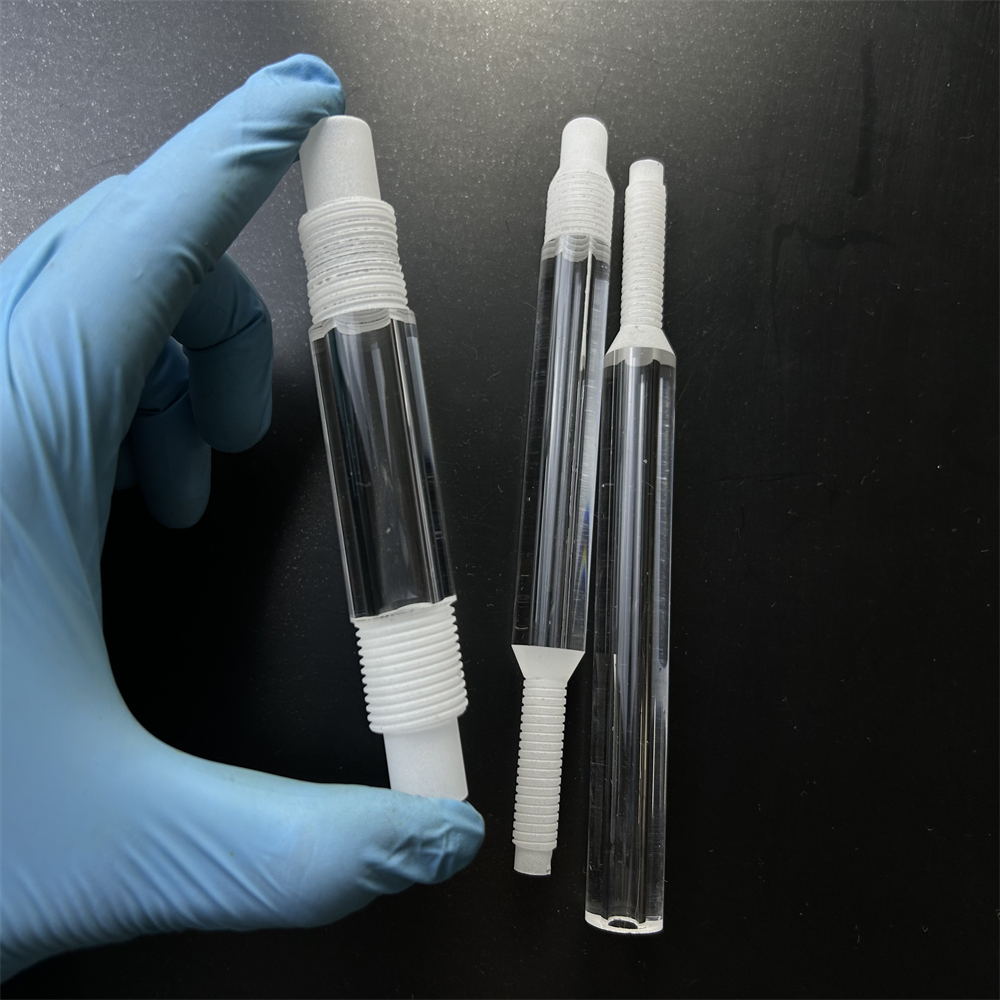
Customized High Purity Threaded Transparent UV Quartz Tube
View Specifications
Heat Resistant Clear 99.99% Pure Fused Quartz Twin Tube
View Specifications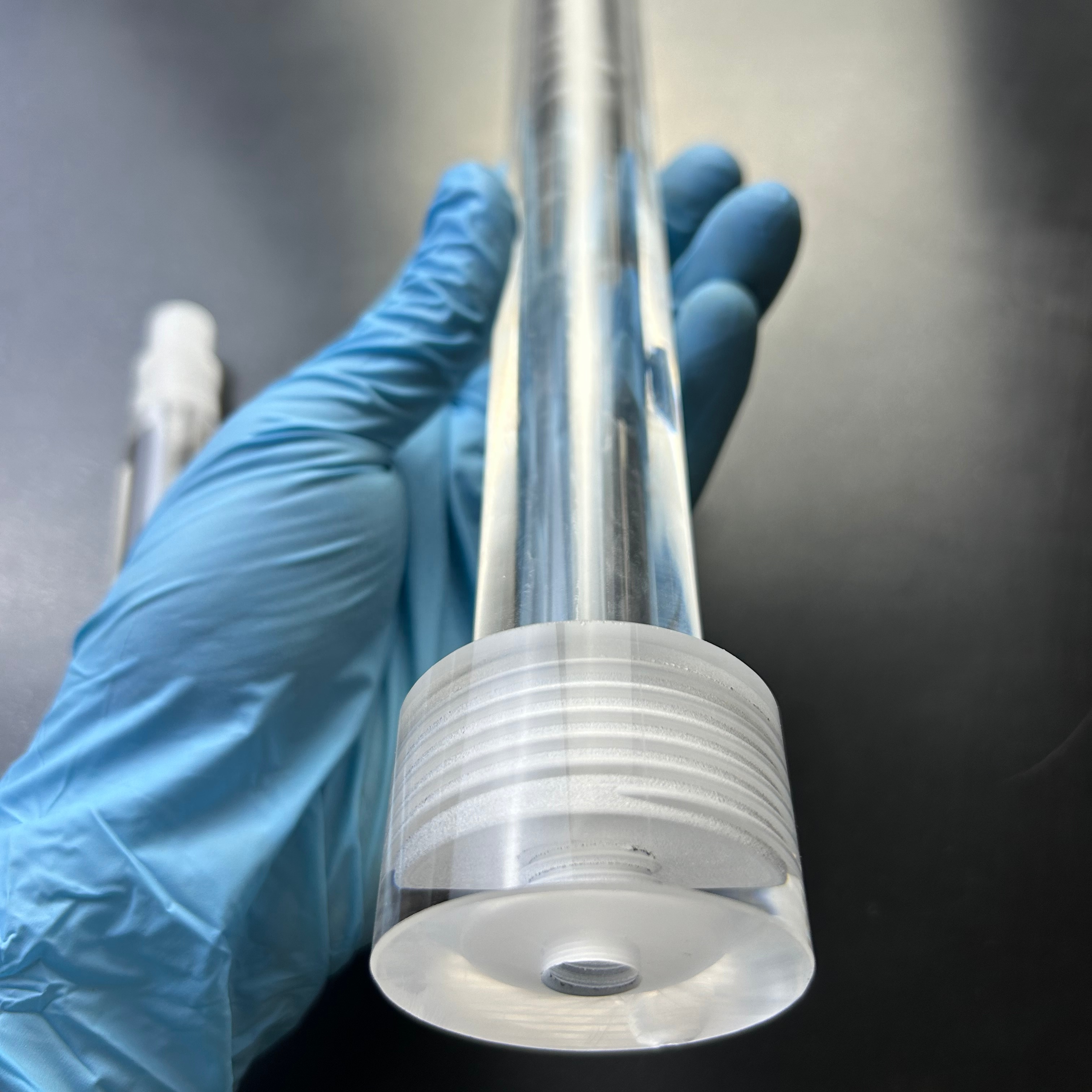
Custom High Pressure Polished Clear Quartz Twin Tube System
View Specifications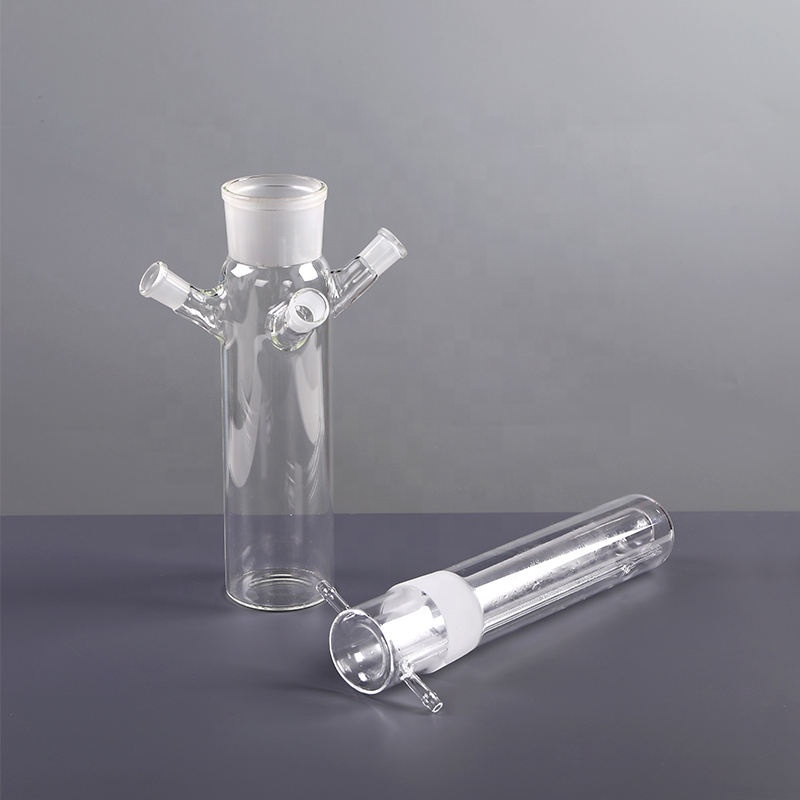
Customized High-Purity Quartz Glass Photocatalytic Reactor
View Specifications99.99%
SiO₂ Material Purity
1100°C
Continuous Working Temp
≤ 2 Hours
RFQ Engineering Response
43%
B2B Repeat Order Rate
Engineering Overview: High-Purity Fused Silica & Quartz Rod Metallurgy
For scientific instrument developers and industrial manufacturers throughout Portsmouth and the wider Hampshire region, procuring quartz materials demands absolute structural uniformity. Fused silica (amorphous silicon dioxide) differs markedly from commercial silicate glassware due to its almost non-existent coefficient of thermal expansion, near-zero dielectric dissipation, and deep ultraviolet/near-infrared transmittance.
When selecting fused quartz rods or structural support elements for thermal boilers, plasma reactors, or optoelectronic devices, materials engineers must identify the distinct processing route required: continuous electrically fused, flame-fused, or chemical vapor deposition (synthetic fused silica). Zunex utilizes top-tier Donghai natural crystalline quartz sand alongside precision laser post-finishing to ensure all rods, tubes, and reactor components comply with dimensional limits down to ±0.05 mm.
JGS1 Optical Grade
Synthetic fused silica synthesized via SiCl₄ vapor oxidation. Practically free of bubbles and inclusions, delivering outstanding optical transmission through the deep UV band (185 nm – 2500 nm). Ideal for laser window substrates, lithography optical guide rods, and analytical fluorescence cells.
JGS2 High-Purity Grade
Manufactured through gas-oxygen fusion of premium natural quartz crystals. Demonstrates exceptional transmission across the 220 nm – 2500 nm range. Serves as the premier workhorse material for Portsmouth's industrial furnace viewports, semiconductor support rods, and sight glasses.
JGS3 Infrared Grade
Vacuum-melted quartz characterized by ultra-low hydroxyl (OH⁻ < 5 ppm) concentration. Eliminates the critical absorption dip around 2730 nm, ensuring reliable infrared energy transmission up to 3500 nm. Preferred for infrared heating elements and military optical sensors.
Comparative Physical & Thermal Specifications of Fused Quartz
Engineered reference properties for system calculation, thermal displacement verification, and pressure envelope profiling.
| Characteristic / Parameter | Typical Metric Value | Significance to Portsmouth Applications |
|---|---|---|
| Chemical Purity (SiO₂) | ≥ 99.99% | Prevents trace heavy metal contamination in naval electronics and marine assay reactors. |
| Density (ρ) | 2.20 × 10³ kg/m³ | Enables lightweight, structurally stiff structural mountings for airborne or maritime sensor rigs. |
| Coefficient of Thermal Expansion (CTE) | 5.5 × 10⁻⁷ / °C (20°C to 320°C) | Permits sudden thermal cycling without risk of catastrophic brittle cracking (near-zero expansion). |
| Continuous Operating Temperature | 1100 °C | Reliably handles vacuum sintering, CVD batching, and high-intensity heating runs. |
| Short-Term Softening Point | 1683 °C (Annealing: 1215 °C) | Maintains mechanical shape integrity under extreme combustion or chamber overheating conditions. |
| Refractive Index (nD @ 589.3 nm) | 1.4585 | Consistent optical dispersion index for laser collimators, light piping, and marine optical assemblies. |
| Dielectric Strength (1 MHz) | 2.5 × 10⁷ V/m | High-voltage electrical barrier protection for high-frequency defense avionics and radar arrays. |
Solent Marine & High-Tech Sector Focus
Localized Industrial Applications Across the Portsmouth Market
Portsmouth's distinguished marine technology base, defense shipbuilding heritage, advanced composites cluster, and environmental research institutes require quartz glass components engineered to survive punishing conditions.
Marine & Autonomous Subsea Sensors
In the challenging Solent and open Atlantic oceanic waters, optical instruments undergo continuous saline exposure and dynamic hydrostatic pressure. Custom fused quartz rods serve as low-loss light guides in subsea turbidity meters, marine LIDAR units, and deep-immersion oceanographic photometers, where standard borosilicate suffers from accelerated corrosion or inadequate pressure ratings.
Defense & Naval Vessel Engineering
Adjacent to the HMNB Portsmouth defense infrastructure, advanced propulsion systems, exhaust scrubbing installations, and radar assemblies leverage high-pressure quartz sight glasses, specialized combustion tubes, and flanged quartz reactors. Their heat endurance protects optoelectronic monitoring electronics against explosive combustion bursts and sustained high-heat engine environments.
Academic & Bio-Analytical Research Laboratories
Spanning researchers at the University of Portsmouth to regional Hampshire contract testing houses, accurate surface characterization demands high-integrity components. Chemisorption and BET sample tubes, UV-transparent photocatalytic digestion vessels, and quartz ampoules are critical for executing gas sorption analyses, surface area studies, and sensitive trace degradation experiments.
Portsmouth Industrial Modernization & Procurement Trends
The manufacturing environment in Hampshire is moving decisively toward higher autonomy, zero-emission green maritime propulsion, and tight-tolerance additive technologies. These shifts are transforming regional supply requirements for fused quartz components:
1. Stringent Supply Chain Traceability and Low-Iron Purity: Engineering consortia across the South East of England are phasing out legacy, non-certified glassware in favor of verifiable high-purity quartz (99.99% SiO₂). Minimizing background chemical interference during spectrometric validation and eliminating microscopic seed inclusions that cause structural shear failure under cyclic stress are now core vendor evaluation criteria.
2. Precision Post-Machining Over Stock Dimensions: Regional OEMs no longer accept broad nominal-sized rod stock. With integrated CAD/CAM fabrication, requirements now stipulate CNC-drilled mounting holes, fine laser grooving, fire-polished safety bevels, and customized threadings that interface directly into sealed maritime sensor housings.
3. Urgent Need for Compressed Delivery Lead Times: Modern production frameworks operate on lean inventory systems. Having rapid direct-factory access to Chinese quartz manufacturing hubs—supported by fast technical drafting review and crated air freight—helps regional developers circumvent months-long domestic production queues.
Factory Direct Capability
Why Portsmouth Specifiers Choose Zunex Quartz
Headquartered in Donghai County—the epicenter of global quartz mining and processing—Zunex Quartz combines primary raw material extraction with cutting-edge CNC and laser finishing.
Direct Factory Processing
Complete in-house control from raw silica refinement, hot flame working, cutting, grinding, and fine chemical polishing through to certified delivery.
Advanced Laser Finishing
Specialized laser micro-drilling, grooving, and contour cutting that eliminates micro-cracks and maintains precise dimensional tolerances across thin plates and solid rods.
Verified Performance
Independently audited business records with a proven 100% response rate, average response times under two hours, and a 43% B2B re-order rate.
Export-Grade Protection
Custom shock-absorbent multi-layer pearl foam and reinforced fumigated export wooden casing guaranteed to prevent breakage on air or sea shipments to Portsmouth.
Procurement & Sourcing FAQ
Frequently Asked Questions by Portsmouth Quartz Buyers
Essential guidance on importing, manufacturing tolerances, material selection, and custom fabrication workflows.
Can Zunex manufacture custom quartz rods and tubes directly from CAD files?
Yes. Our core engineering strength is custom processing according to client engineering drawings. Portsmouth clients routinely send PDF, DWG, DXF, or STEP models with specific tolerance boundaries, bevel specifications, and surface roughness targets. Our technical department completes a manufacturability review within two hours before presenting binding commercial terms.
What shipping channels and protective packaging are utilized for deliveries to the UK?
Due to the brittle nature of high-purity fused silica, each piece is wrapped in anti-static protective film, encased in form-fitting expanded pearl cotton (EPE), and boxed inside rigid corrugated cartons before being secured in fumigated marine plywood cases. We supply air-express delivery (DHL/FedEx/UPS) for expedited prototypes reaching Portsmouth in 4 to 7 business days, or consolidated ocean freight for cost-effective container quantities into Southampton or Portsmouth ports.
How do I know whether my Portsmouth project requires JGS1, JGS2, or JGS3 fused quartz?
Selection depends on your working spectrum and thermal load: JGS1 is the definitive pick for deep ultraviolet spectroscopy, excimer laser components, and subsea UV-sterilization light guides down to 185 nm. JGS2 represents the standard engineering choice for furnace inspection sight glasses, viewports, and structural quartz rods (220–2500 nm). JGS3 is stripped of water molecules (<5 ppm OH⁻) to guarantee unimpeded infrared transmission out to 3500 nm, making it essential for pyrometers and thermal radiators.
What mechanical and dimensional tolerances can you reliably maintain on quartz rods?
For standard commercial fused silica rods, outside diameter (OD) is maintained within ±0.1 mm to ±0.2 mm. For precision optical guide pins, centerless-ground quartz shafts, or laser-cut plates, our precision CNC grinding equipment achieves tolerances down to ±0.05 mm, with parallelism within 0.02 mm and surface finishes polished up to 80/50 or 60/40 scratch/dig optical standards.
How does fused quartz perform against corrosive seawater and aggressive chemical reagents?
Fused quartz is chemically inert to almost all acidic media (including hot concentrated hydrochloric, nitric, and sulfuric acids) and shows complete imperviousness to marine saline atmosphere. It is attacked only by hydrofluoric acid (HF) and concentrated phosphoric acid at elevated temperatures (>150 °C). This makes it vastly superior to stainless alloys and optical borosilicates in long-term marine subsea immersions.
Do you accommodate low-volume prototypes for University of Portsmouth or research startups?
Yes. We understand that defense, academic, and development projects often require small-batch validation runs. We support prototyping runs from a single bespoke piece up to full container shipments, providing material analysis data and inspection records for validation before scale-up.
Launch Your Quartz Manufacturing Project Today
Submit your CAD drawings, dimensional specifications, or custom inquiries. Our quartz applications engineering team will review your files and provide a competitive quote within two hours.
Contact Us