Direct-from-Factory Quartz Components & Engineered Windows
Engineered for extreme thermal shocks, deep-ultraviolet optics, plasma CVD resistance, and sub-micron analytical integrity. Fully customizable to strict PDF, DWG, and STEP mechanical specifications.
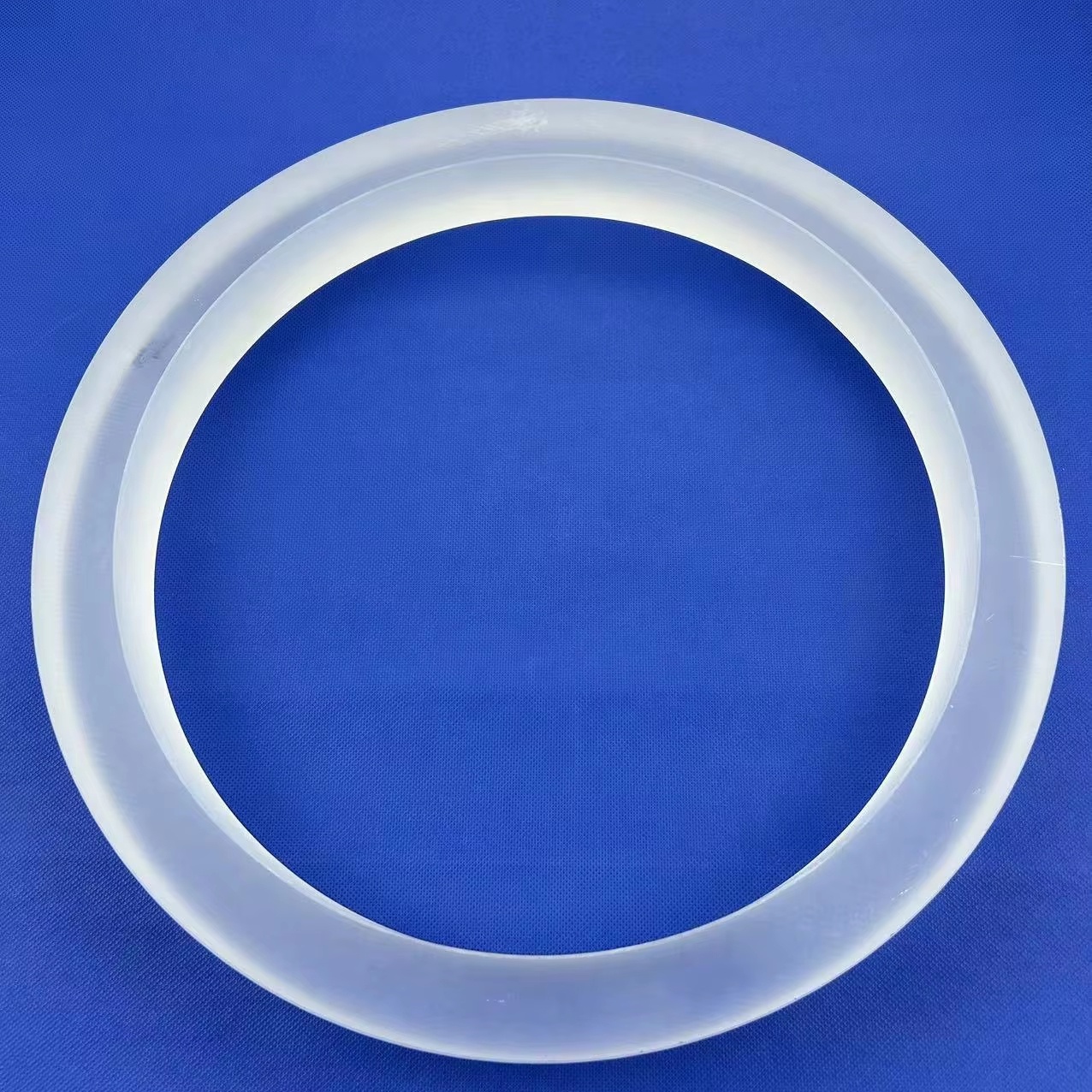
Custom Coated 99.99% Pure Quartz Rings for Semiconductor CVD Optics
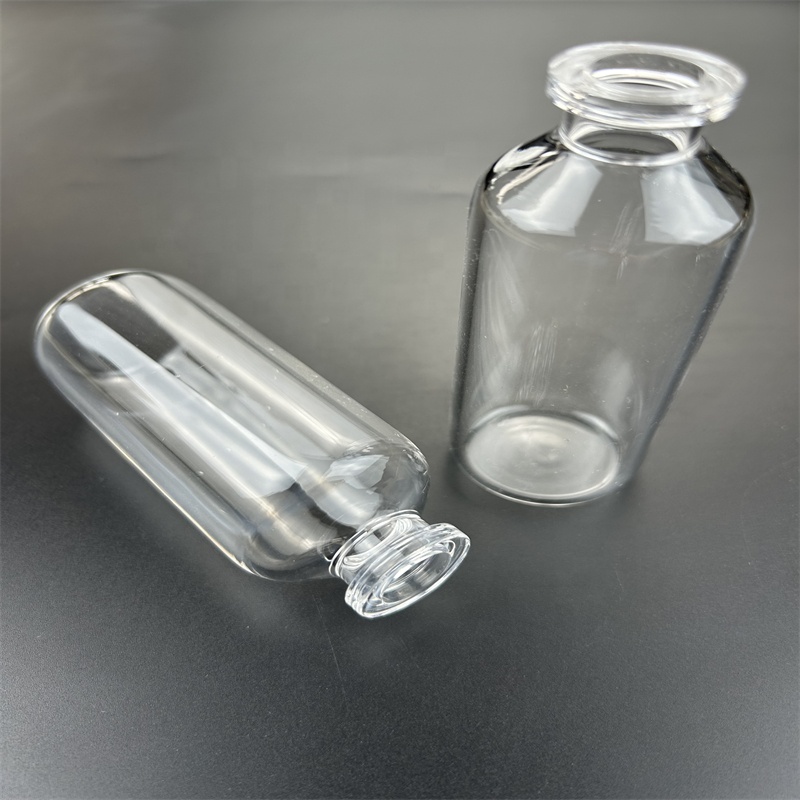
Custom High Pressure Medical Grade Quartz Glass Ampoules
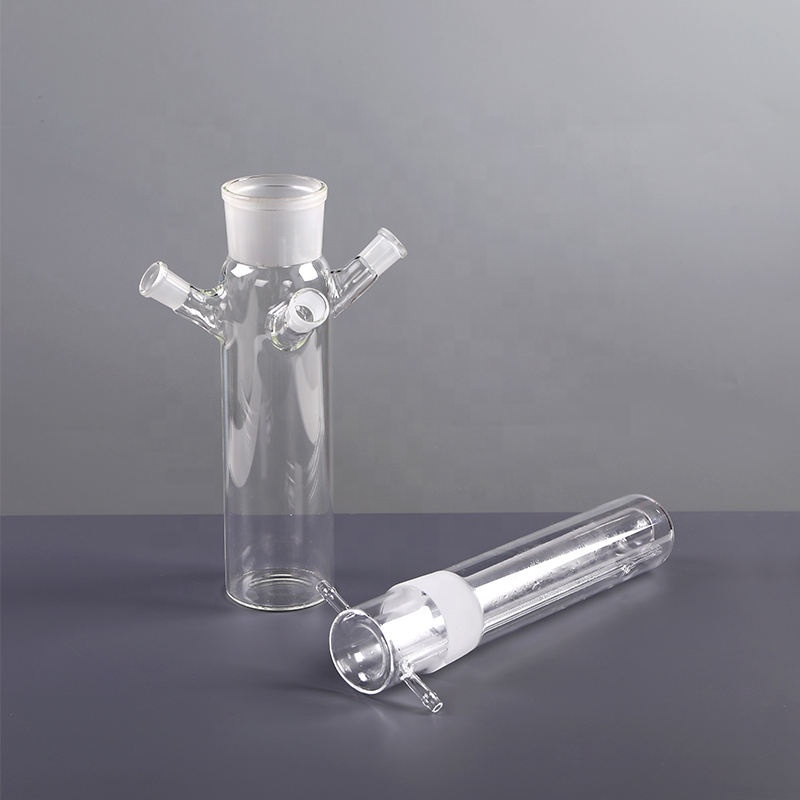
Customized High-Purity Quartz Glass Reactor Containers

High Temperature Transparent UV Quartz Glass Plates & Discs
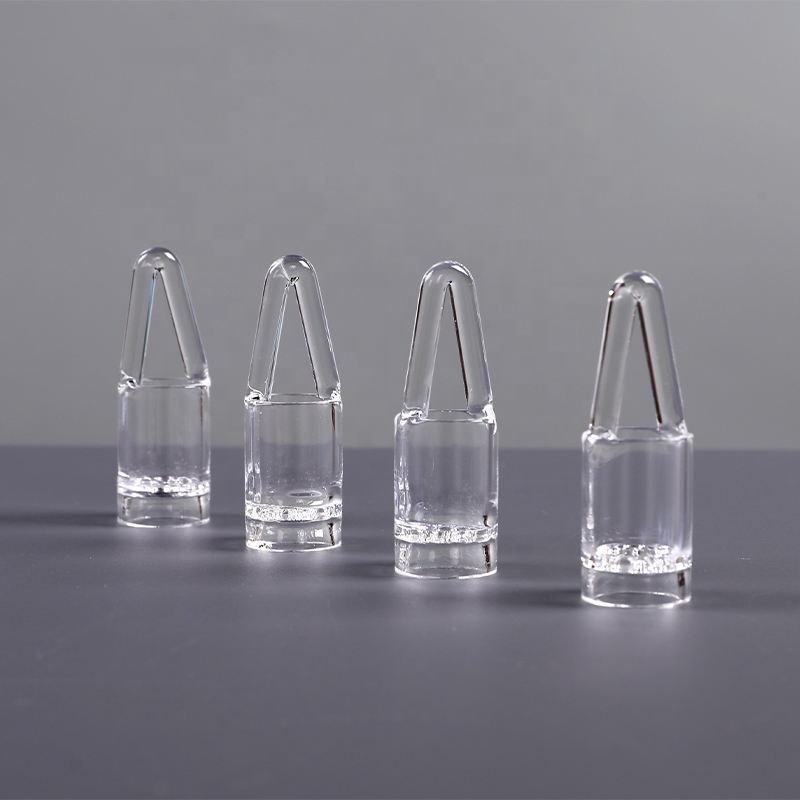
Factory Custom High Pressure 99.99% Pure Quartz Glass Tube
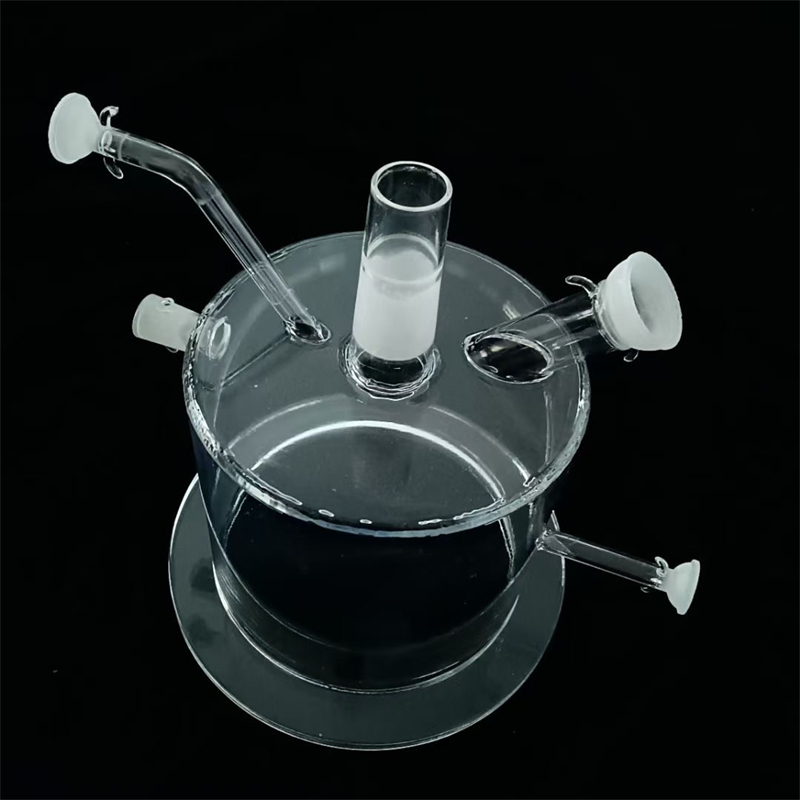
Customized High Pressure Clear Quartz Glass Tube Fabrications
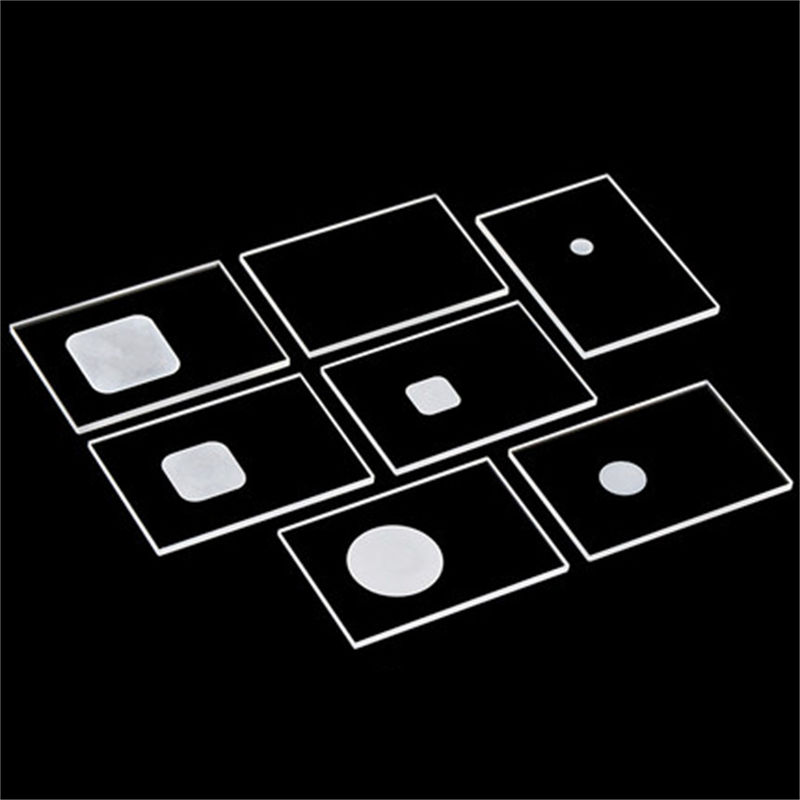
Fused Quartz Glass Sheets for XRD Sample Tank Testing Chips
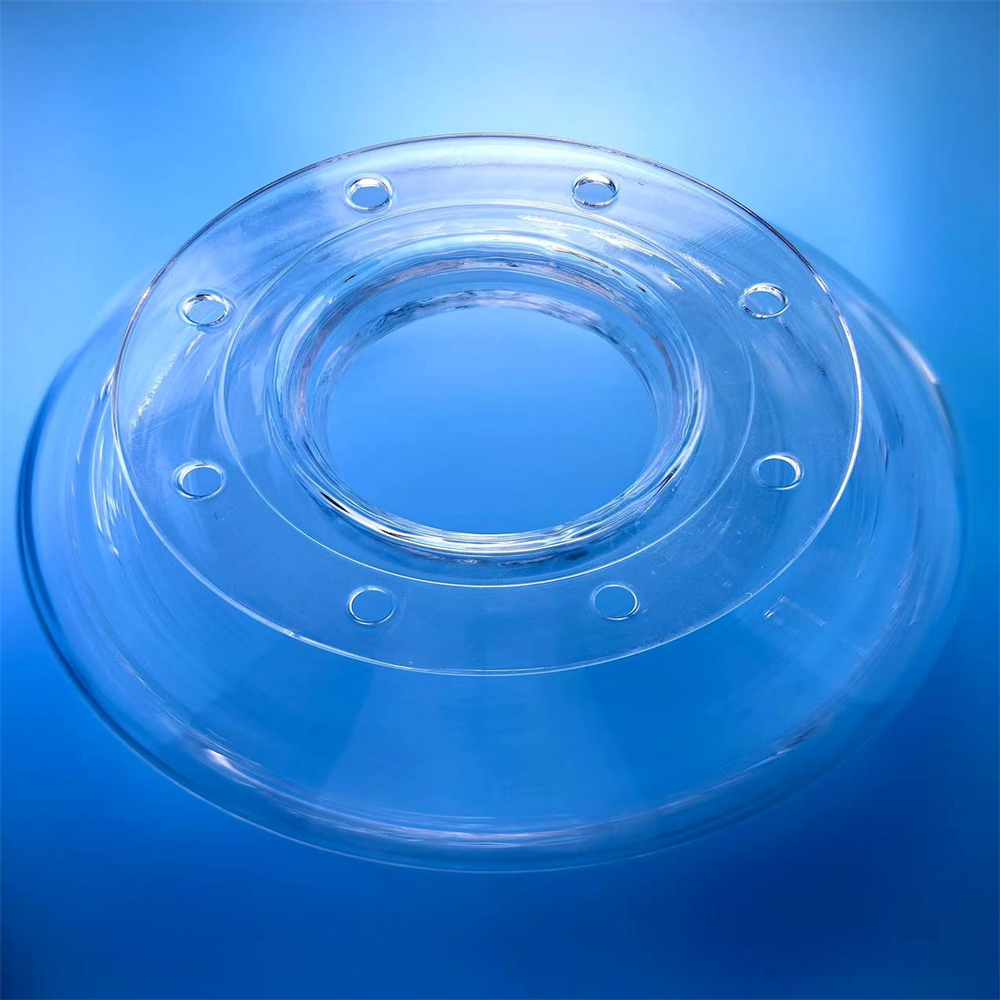
High Purity Fused Silica Flange Rings & Twin Quartz Tubes
Confirmed on official B2B trade records
Rapid RFQ feedback & drawing review
Sustained OEM & enterprise reorders
Donghai raw material mineral purity
State-of-the-Art Quartz Window Sourcing for Charlestown & New England R&D Hubs
Navigating optical transmittance thresholds, thermal shock coefficients, mechanical tolerances, and direct supply chains between Donghai primary quartz manufacturing and Greater Boston engineering sectors.
Precision quartz windows represent the fundamental optical and thermodynamic interface in mission-critical applications spanning deep-ultraviolet lithography, analytical spectroscopy, laser physics, and extreme chemical reactors. When procuring fused quartz and synthetic fused silica windows in regional technology hubs such as Charlestown, Boston, Cambridge, and the Route 128 tech corridor in Massachusetts, research institutions and industrial systems integrators face distinct engineering trade-offs.
The convergence of advanced semiconductor equipment fabrication, life-sciences laboratory automation, and naval marine sensor platforms across Charlestown and the greater Suffolk County region requires an empirical understanding of fused quartz materials. Unlike standard borosilicate glasses (such as Pyrex) or soda-lime glass, synthetic fused silica and thermal fused quartz exhibit a virtually zero coefficient of thermal expansion (5.5 × 10⁻⁷ /°C), enabling them to withstand instantaneous thermal shock transitions exceeding 1000°C without mechanical rupture, micro-fracturing, or optical wavefront distortion.
As original equipment manufacturers (OEMs) and academic incubators in Charlestown scale prototypes into serial production, partnering directly with primary fabrication factories equipped with CNC 5-axis ultrasonic milling, hydrogen-oxygen flame lathe forming, and cleanroom laser finishing delivers unprecedented cost-efficiencies and technical agility.
Engineering Use Cases Across Charlestown & Greater Boston Innovation Ecosystems
Tailored technical solutions engineered to address the exacting operational demands of marine robotics, clinical diagnostics, semiconductor photonics, and cleanroom facilities.
Marine Viewports & Sub-Sea Metrology
Drawing on the maritime heritage of the historic Charlestown Navy Yard and nearby oceanographic engineering clusters, specialized fused quartz windows are integrated into autonomous underwater vehicles (AUVs), deep-sea imaging pressure vessels, and ocean sensor arrays. Our pressure-rated optical discs survive continuous hydrostatic pressure exceeding 60 MPa without micro-deformation.
Biomedical Microfluidics & Diagnostics
Positioned immediately adjacent to the Cambridge-Kendall Square biotechnology axis, medical engineering teams utilize our high-purity JGS1 fused quartz plates for ultraviolet fluorescence spectroscopy, cell sorting chips, DNA sequencing flow cells, and ozone-free quartz ampoules where non-fluorescing substrate clarity is vital to signal-to-noise detection thresholds.
Plasma Etching & Semiconductor CVD
Advanced equipment integrators developing wafer processing apparatus utilize our 99.99% pure quartz rings, flange tubes, and bell jars. These parts withstand harsh fluorinated/chlorinated plasma etching and continuous furnace temperatures up to 1150°C without ionic contamination or chemical leaching into the chamber atmosphere.
Photocatalytic & Clean-Tech Reactors
Environmental engineering developers in New England deploy our custom double-walled quartz reactor containers with internal UV irradiation tubes. Fused quartz transparent walls allow uninterrupted transmission of germicidal UVC (254 nm) and excimer radiation (172 nm) for advanced oxidation, water sanitization, and green chemical synthesis.
Analytical XRD & Crystallography
Academic and industrial metallurgy labs throughout Boston require sample substrates that introduce zero background scatter in X-ray diffraction tests. Our zero-background quartz test sheets and slotted carriers feature laser-machined optical surfaces with parallelisms under 5 arcseconds and micro-roughness below Ra 0.5 nm.
High-Power Laser Optics & Beam Windows
Fiber laser cutting and additive manufacturing setups demand protective debris shields and output windows with exceptionally high laser-induced damage thresholds (LIDT > 10 J/cm² at 1064 nm, 10 ns). Our laser-machined quartz discs ensure zero thermal blooming and minimal wavefront phase distortion under multi-kilowatt exposure.
Optical Grade Comparison: JGS1 vs. JGS2 vs. JGS3 Fused Quartz
Selecting the appropriate optical substrate based on hydroxyl (OH⁻) content, bubble inclusion classes, and spectral band transmittance.
| Optical Grade | Primary Raw Material | Spectral Transmittance Band | OH⁻ Content (ppm) | Key Industrial Applications | Charlestown Application Fit |
|---|---|---|---|---|---|
| JGS1 (Synthetic Fused Silica) | High purity SiCl₄ synthetic gas phase hydrolysis | 185 nm – 2,500 nm (Deep Ultraviolet / DUV) | ≤ 1200 ppm (standard) / <5 ppm (dry) | UV Laser Windows, Lithography, Spectroscopy, Flow Cells | Biopharma flow cytometers, MIT/Harvard research instruments |
| JGS2 (Optical Fused Quartz) | Refined natural Donghai crystalline quartz sand | 220 nm – 2,500 nm (UV-Visible Range) | ≤ 150 – 200 ppm | Sight Glasses, High Temp Observation Ports, UV Lamps | Furnace observation, vacuum chambers, marine viewport sensors |
| JGS3 (Infrared Fused Quartz) | Vacuum electro-fused natural high-purity crystal | 260 nm – 3,500 nm (Extended Near/Mid-IR) | ≤ 5 ppm (Extremely Low Hydroxyl) | IR Emitters, Thermal Imaging, Pyrometry Windows | Defense sensor optics, infrared curing, thermal imaging ports |
| Semiconductor Grade Quartz | Natural 99.999% ultra-pure silicon dioxide | Broadband thermal transmission & high electrical resistivity | Trace metals < 8 ppm total | Diffusion Tubes, Wafer Carriers, Quartz Bell Jars | Sub-micron cleanroom wafer fabs and regional CVD research |
Procurement Dynamics & Supply Chain Resilience for Massachusetts Engineers
Strategic supply chain trends influencing the sourcing of critical quartz hardware in Charlestown and New England manufacturing.
Over the past five years, the Massachusetts high-tech manufacturing sector has undergone a structural pivot regarding how custom glass and ceramic optical elements are procured. Historically, regional machine shops and local optics distributors in Greater Boston acted as intermediaries, often adding extensive markups (often exceeding 200% to 400%) while relying on third-party offshore raw quartz melts. This created substantial supply chain vulnerability, unpredictable lead times, and communication friction regarding complex geometrical drawings.
Today, advanced hardware enterprises in Charlestown are increasingly adopting the Direct-to-Factory Engineering Partner Model. By interfacing directly with vertically integrated manufacturing plants based in Donghai—the global ground zero for raw silicon dioxide processing—procurement directors gain substantial advantages:
2. Laser Micro-Finishing vs. Mechanical Machining: Traditional CNC diamond grinding introduces sub-surface micro-cracks that compromise quartz structural stability under repeated thermal cycling. Our factory utilizes picosecond and CO₂ laser cutting, drilling, and ablation, producing polished kerf edges with zero mechanical stress concentrations and micro-hole diameters down to 0.1 mm.
3. Rigorous Metrology and Mil-Spec Inspection: Every shipment bound for US ports conforms to MIL-PRF-13830B optical inspection standards (scratch-dig specifications down to 20-10 or 10-5 for laser grade) with comprehensive coordinate measuring machine (CMM) dimensional reports, spectrophotometer transmission curves, and bubble class documentation.
Zunex Quartz Production Ecosystem: Precision Hot & Cold Processing
Combining generations of Donghai raw quartz mastery with state-of-the-art multi-axis CNC fabrication and cleanroom optical inspection.
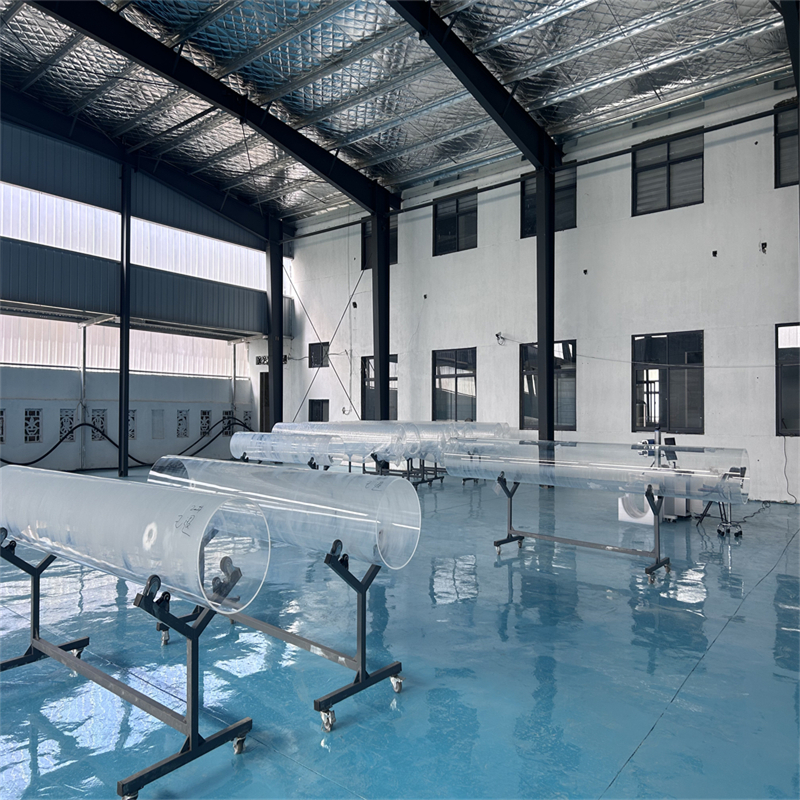
Thermal Lathe Forming & Welding
Hydrogen-oxygen flame fusion up to 2000°C for seamless quartz tubes, flanges, and manifolds.

Double-Sided Optical Lapping & CMP
Chemical mechanical planarization delivering surface roughness Ra <0.5 nm and flatness λ/4.

Final Cleanroom Inspection & Packing
Multi-layer shockproof vacuum-sealed packing ensuring zero breakage during international express transit.
Frequently Asked Questions for Charlestown Quartz Buyers
Addressing key technical questions, supply logistics, custom drawing parameters, and compliance standards.
Yes. More than 85% of our production consists of fully custom OEM quartz components made strictly according to customer-provided CAD drawings (STEP, DWG, DXF, or engineering PDFs). Our engineers review tolerances, chamfer requirements, hole placement, and optical polish criteria, providing a confirmed quotation and manufacturability review typically within two hours.
While sapphire possesses greater Mohs hardness (9 vs 7 for quartz), sapphire exhibits anisotropic crystal birefringence, which creates unwanted double refraction in precision optical imaging and optical metrology. Synthetic fused quartz provides isotropic optical transmission (no birefringence), superior resistance to thermal shocks, and roughly one-third the weight of sapphire, all while costing 40-60% less in large viewport diameters.
Standard prototypes and small batch orders (1 to 50 pieces) have a fabrication lead time of 5 to 9 business days. We partner directly with DHL Express, FedEx Priority, and air cargo forwarders into Boston Logan International Airport (BOS), ensuring door-to-door transit to your Charlestown laboratory or production facility in 3 to 5 business days, fully insured with verified shockproof packaging.
For high-power laser windows and interferometer flats, we routinely supply double-side polished JGS1 windows with scratch-dig standards of 20-10 or 10-5 (MIL-PRF-13830B), surface flatness up to λ/10 per inch at 632.8 nm, parallelism < 5 arcseconds, and surface roughness Ra ≤ 0.5 nm via chemical-mechanical polishing (CMP).
Our high-purity clear fused quartz components withstand continuous working temperatures of 1100°C (2012°F) and short-term thermal excursions up to 1300°C. The softening point is approximately 1683°C. Due to an ultra-low thermal expansion coefficient of 5.5 × 10⁻⁷ /°C, our windows can be instantly plunged from 1000°C into ice water without cracking.
We employ an export packaging protocol engineered for high-precision optics. Every individual window or tube is wrapped in optical lint-free paper, vacuum-sealed in anti-static PE bags, suspended within high-density shock-absorbing EPE memory foam molds, and packed in reinforced multi-layer export crates or customized wooden boxes with drop/tilt indicator tags.