Featured Industrial Fused Quartz & Silica Solutions
Factory-direct thermal, optical, and chemical processing apparatus engineered to tight geometric tolerances and certified purity up to 99.999% SiO₂.
Engineering Whitepaper: Specifying Quartz Glass Tanks in Scotland's Tech Corridor
The industrial landscape across the Greater Glasgow conurbation, extending along the M8 corridor into the Silicon Glen and Strathclyde technology ecosystems, has entered an era of intense material modernization. As microelectronics fabrication, compound semiconductor research, quantum optics laboratories, and bioprocess pilot plants scale up, equipment engineers face critical challenges regarding vessel chemical leaching, thermal collapse, and UV photodegradation. Standard borosilicate (Pyrex 3.3) and plastic polymers (PTFE/PFA) fail when exposed to aggressive mineral acid baths (such as Piranha etch and Caro's acid) at temperatures exceeding 100°C, or when broadband optical transparency is demanded from deep-UV (193 nm) into the mid-infrared (3500 nm).
This whitepaper provides an exhaustive technical analysis and ranking of the top quartz glass tank suppliers and exporters serving Glasgow-based manufacturers, universities, and cleanrooms. By evaluating thermomechanical properties, material grade classifications (JGS1, JGS2, JGS3), precision fusion methods, and import logistics into Prestwick and Glasgow Freight Terminals, procurement managers can mitigate downtime and ensure uncompromised process integrity.
Fused Quartz vs. Fused Silica: The Material Distinction for Process Engineers
Procuring a quartz tank requires distinguishing between naturally fused quartz (melted from high-purity natural silica sand) and synthetic fused silica (synthesized from gaseous silicon precursors like SiCl₄). While both consist of >99.98% SiO₂, their microscopic defect states, hydroxyl ion ([OH⁻]) content, and trace metal profiles dictate their functional lifespan in Glasgow cleanrooms.
| Material Property | JGS1 (Synthetic Fused Silica) | JGS2 (Optical Fused Quartz) | JGS3 (Infrared Fused Silica) |
|---|---|---|---|
| Primary Transmission Band | 185 nm – 2500 nm (Deep UV to NIR) | 220 nm – 2500 nm (UV to Visible) | 260 nm – 3500 nm (Extended IR) |
| Hydroxyl Content ([OH⁻]) | High (> 1200 ppm) | Medium (150 – 200 ppm) | Ultra-Low (< 5 ppm) |
| Trace Metals (Al, Fe, Ti, Na) | < 0.1 ppm total | < 15 ppm total | < 8 ppm total |
| Softening Point (°C) | Approx. 1585°C | Approx. 1683°C | Approx. 1710°C |
| Coefficient of Thermal Expansion | 5.5 × 10⁻⁷ / °C | 5.5 × 10⁻⁷ / °C | 5.4 × 10⁻⁷ / °C |
| Recommended Glasgow Application | Laser lithography, wafer cleaning baths | Sight glasses, general acid etch tanks | IR furnace tubes, thermal reactors |
For high-frequency ultrasonic wet baths located in Strathclyde cleanrooms, the bubble inclusion class and homogeneity grade (per DIN ISO 10110) are paramount. Microscopic gas inclusions act as stress concentrators; when exposed to continuous 40 kHz or 80 kHz megasonic agitation, substandard quartz welds suffer micro-fracturing along the heat-affected zone (HAZ). Thus, sourcing quartz tanks fabricated using controlled hydrogen-oxygen flame welding or multi-axis laser fusion is essential for mission-critical operations.
Top 10 Quartz Glass Tank Suppliers & Exporters in Glasgow
Evaluated across manufacturing capacity, purity verification, custom engineering capability, and delivery speed to Scottish engineering clusters.
Zunex Quartz Products Co., Ltd.
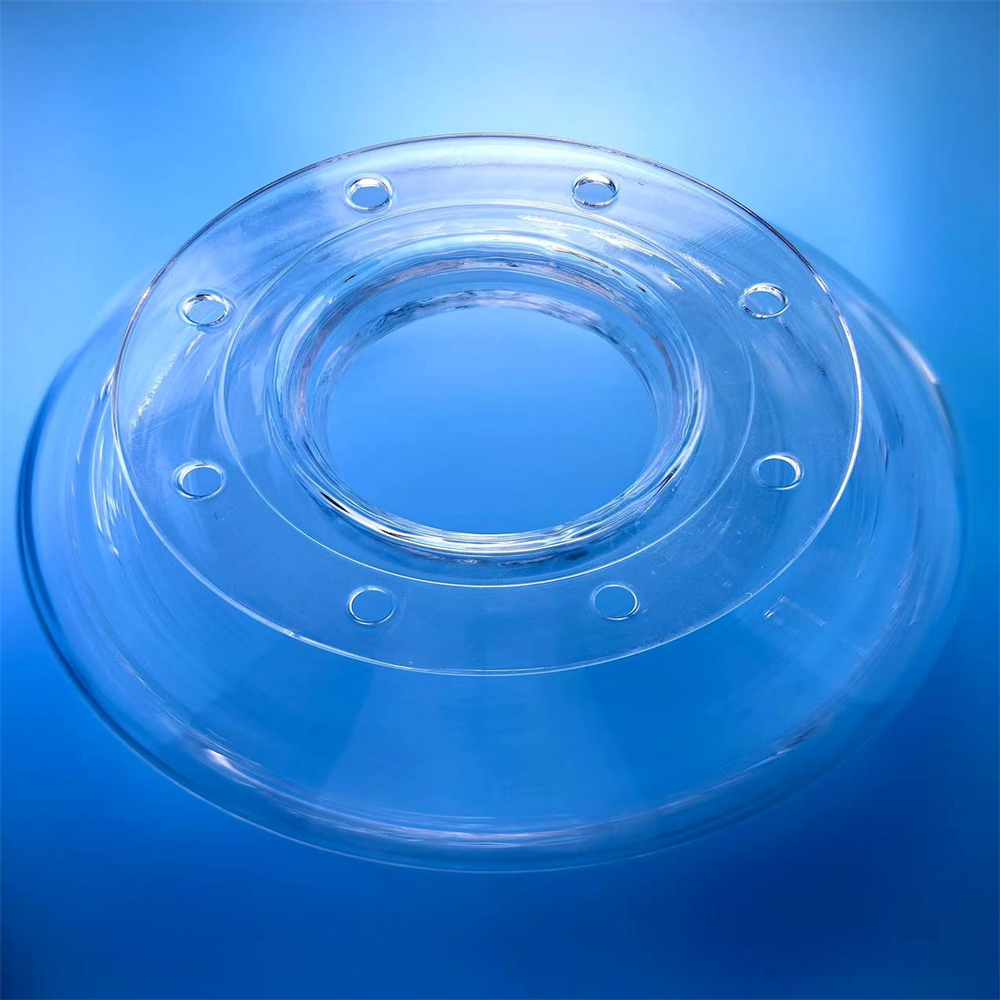
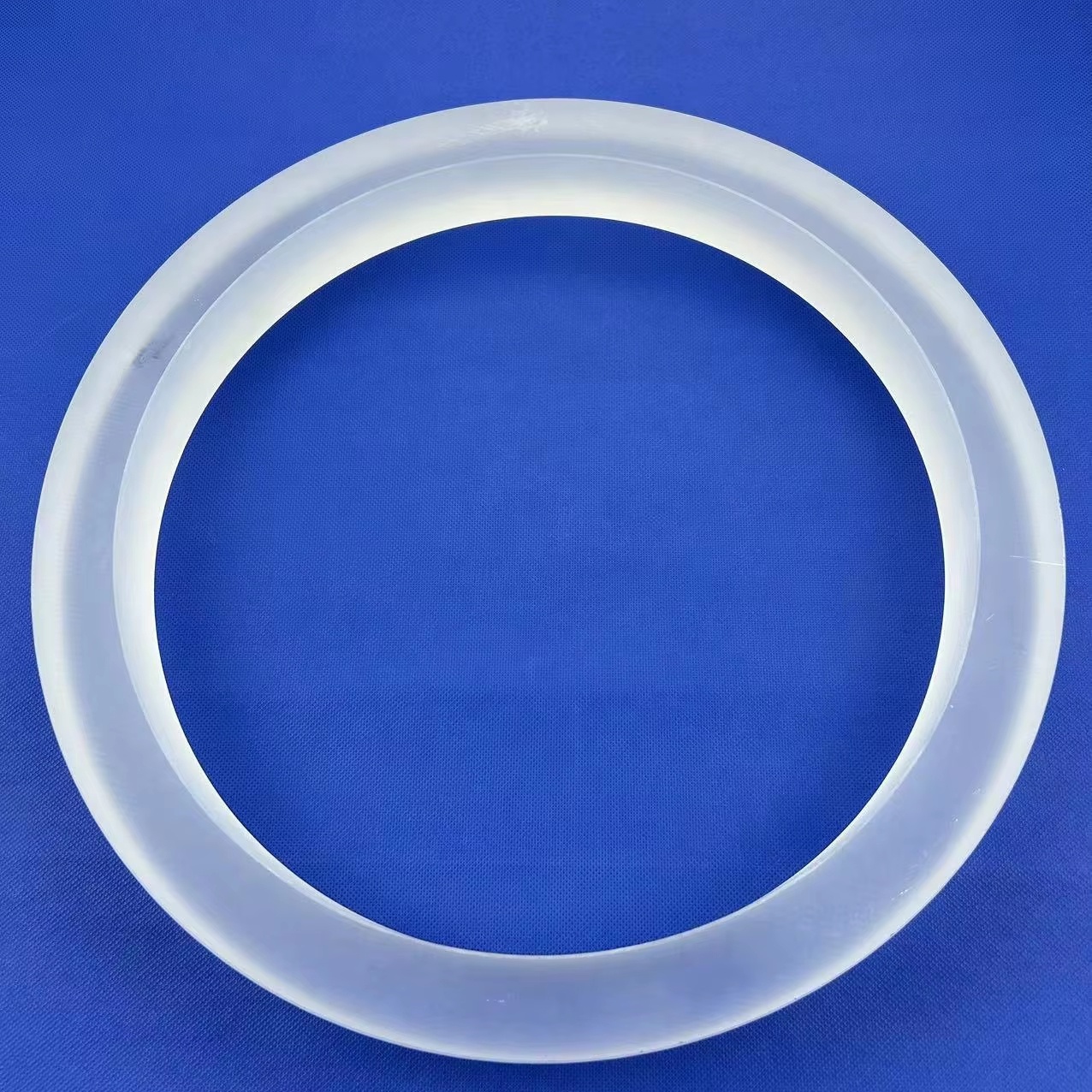
Headquartered in China's quartz capital (Donghai) with direct logistics routes into Glasgow and Edinburgh. Zunex stands as the premier manufacturing partner for custom quartz tanks, flanged reaction vessels, and laser-drilled carrier boats. Their certified 100% response rate and 2-hour drawing review make them the top choice for Scottish engineering teams demanding quick-turn prototype and production batches.
Export Lead Time to UK: 5-9 working days via DHL Express / DDP Sea-Air.
Multi-Lab Quartz Technologies Ltd.
A reputable British precision quartz fabricator with strong sales and support distribution across Scotland. Multi-Lab specializes in bespoke scientific quartz blowing, repair services, and custom wet-process quartz tanks for semiconductor fabs across the UK.
Headquarters: Newcastle / UK Nationwide distribution.
Heraeus Conamic
The global benchmark for raw quartz glass ingots and synthetic fused silica blocks (Suprasil). Heraeus materials are heavily utilized by tier-one Scottish research universities, supplying raw materials to local toolmakers who craft high-spec semiconductor wet benches.
Specialty: Sub-ppb impurity specifications.
Technical Glass Products (TGP UK Distribution)
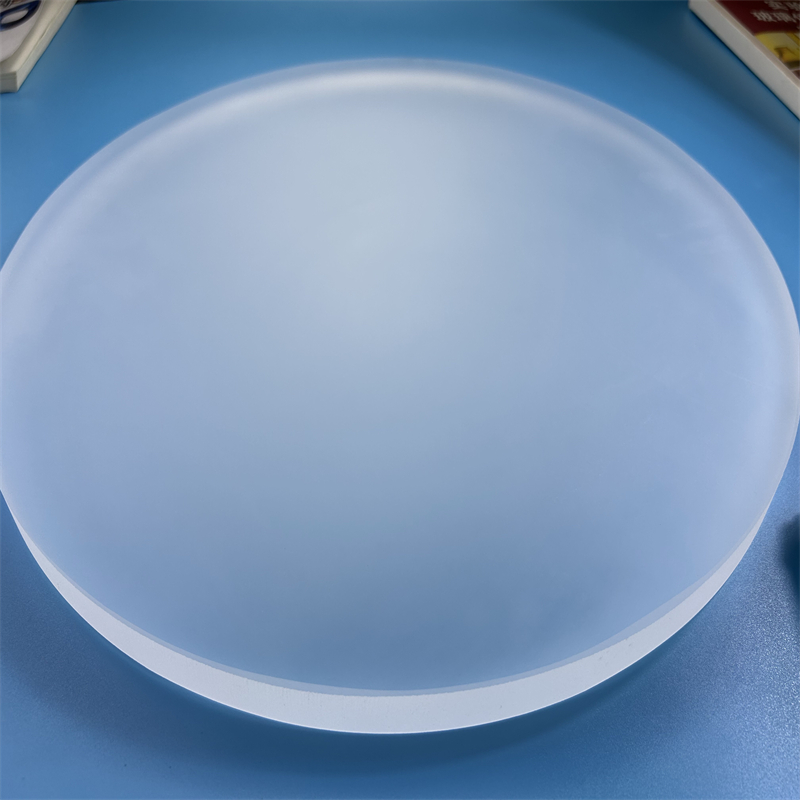
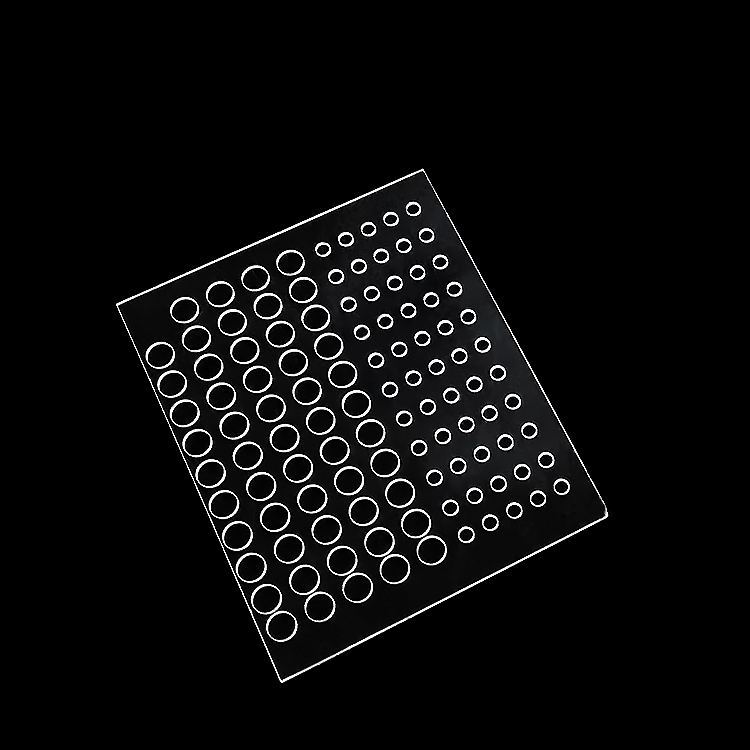
Distributing high-specification fused quartz plates, disc cutouts, and custom fabricated square tanks. Known for precision surface ground and polished panels that serve as viewing windows in chemical processing cells throughout Clydebank industrial estates.
Supply Channel: UK regional stockists and direct import.
ScotsScientific Scientific Glass Solutions
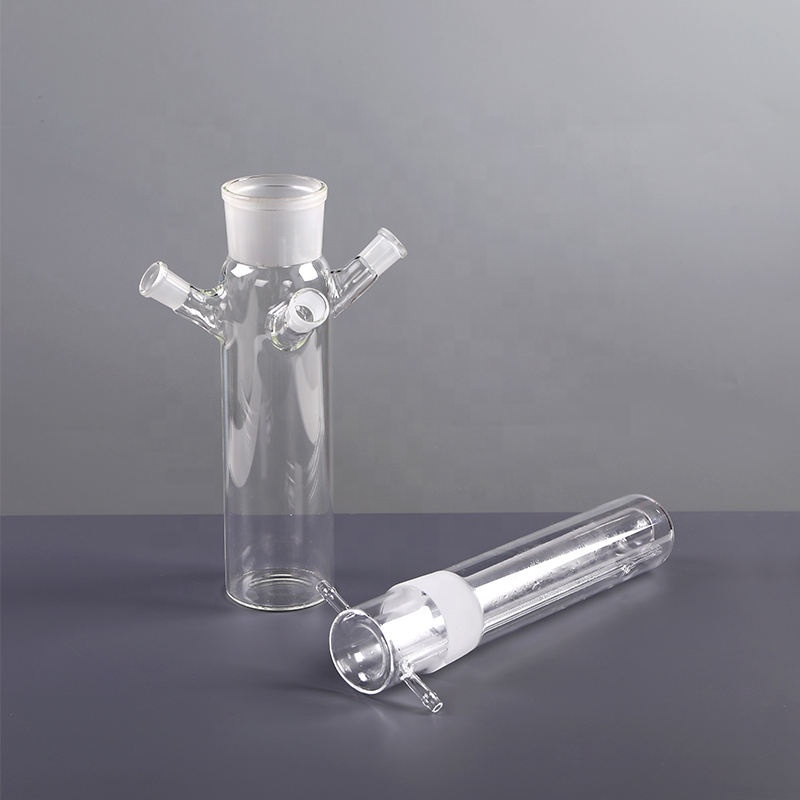
Specialized local distributor and scientific glassblowing network catering directly to the University of Glasgow, Strathclyde, and commercial biotechnology hubs along the River Clyde. Excellent for small-volume repair and bespoke double-walled quartz tanks.
Regional Focus: Central Belt of Scotland.
Tosoh Quartz Inc.
A worldwide market leader supplying the global microchip manufacturing sector. Provides ultra-high purity welded quartz assemblies, bath tanks, and wafer carriers used in volume silicon and gallium nitride (GaN) foundries in Scotland.
Markets: High-volume semiconductor wet processing.
UQG Optics Ltd.
Located in the UK, UQG supplies custom optical quartz windows, rectangular fabricated cells, and optical tanks designed for UV-visible spectrophotometry, spectroscopy, and laser fluid dynamics testing in Glasgow photonics laboratories.
Tolerances: Tight scratch-dig optical specifications.
Hilgenberg GmbH (UK Export Division)
German precision glass exporter providing micro-quartz tanks, capillaries, and custom cylindrical quartz vessels to Scottish life science laboratories and chemical quality assurance departments.
Export Reach: Pan-European with direct UK clearing.
Almath Crucibles & Technical Refractories
British manufacturer catering to metallurgy, thermal analysis, and crystal growth sectors. Supplies heavy-wall fused silica square vessels, melting pots, and quartz tanks suitable for high-temperature thermal casting in heavy industry zones around Lanarkshire.
Thermal Profile: 1200°C+ continuous operating envelopes.
CVI Laser Optics (UK Sales Office)
Supplying high-energy laser viewports, optical quartz tanks for laser-induced breakdown spectroscopy (LIBS), and precision JGS1 substrate assemblies directly into Glasgow's thriving quantum technology research cluster.
Application: Quantum sensing, ultrafast laser physics.
Localized Application Scenarios in the Greater Glasgow Area
The strategic deployment of fused quartz tanks across Glasgow is driven by four primary industrial pillars, each requiring distinct mechanical and optical certifications:
Semiconductor & Compound Wafers
Wet bench chemical tanks for hydrofluoric (HF) acid striping, wafer etching, and megasonic rinse cycles in central Scottish fab lines.
Quantum Photonics & Lasers
Optically clear synthetic silica tanks serving as non-birefringent fluid containment cells for ultrashort pulse laser diagnostics at university research parks.
Biopharma & High-Purity Synthesis
Heavy-duty, autoclaving-resistant quartz vessels utilized for batch photo-degradation, API crystallization, and active pharmaceutical ingredient testing.
Marine & Environmental Clean Tech
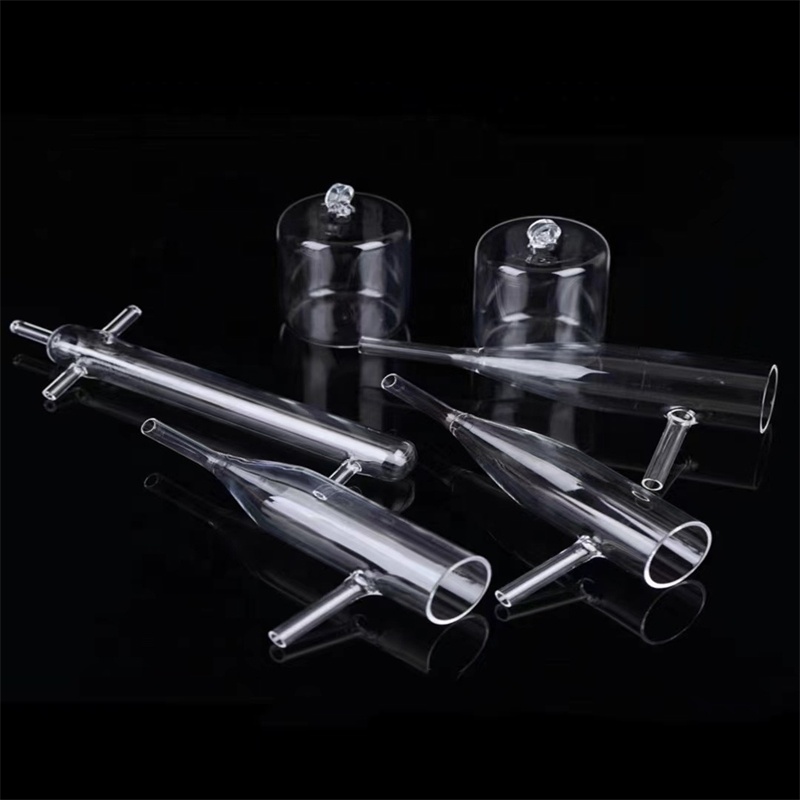
High-salinity, UV-sterilization quartz immersion sleeves and water analysis reactors engineered for Clyde shipbuilding and subsea instrumentation.
Macro Trends Shaping Glasgow's Quartz Procurement (2025–2030)
Several dynamic trends are transforming how Scottish industrial firms source and maintain their quartz equipment:
- Transition toward Direct OEM Exporter Relationships: To combat rising domestic UK distributor markups (often exceeding 60-80%), procurement departments are contracting directly with primary quartz manufacturers like Zunex Quartz. Utilizing international air freight directly into Glasgow Airport (GLA) allows labs to obtain custom-dimension tanks within 7–10 days while cutting capital expenditures significantly.
- Demands for Laser CNC Edge Sealing: Traditional torch-welded tank joints exhibit uneven internal residual stresses and micro-crevices. The Scottish microelectronics sector is increasingly mandating laser-trepanned, seamless step-joined, or laser-polished seams that prevent chemical pooling and catastrophic seam failure.
- Stringent Certificate of Analysis (CoA) Verification: In compliance with UK REACH and international semiconductor standard SEMI C-10, Scottish facilities now require lot-specific glow-discharge mass spectrometry (GDMS) traces confirming metallic impurities (notably iron, copper, and alkali metals) remain below single-digit parts per billion.
Why Glasgow Engineers Partner with Zunex Quartz
Combining Donghai's deep mineral supply chain with advanced CNC multi-axis laser finishing to deliver unmatched speed, accuracy, and reliability.
Custom Fabrication to Technical Drawing
Upload STEP, DWG, DXF, or PDF engineering prints. Our technical department reviews dimensional limits, wall thickness tolerances (±0.05mm), and flame polishing parameters prior to quotation.
2-Hour Rapid Quotation Protocol
Our engineering-backed trade team delivers verified 100% response rates, ensuring Glasgow procurement managers receive DDP shipping estimates and manufacturability feedback within two hours.
Zero-Breakage Export Packaging
Each quartz tank undergoes multi-layered high-density pearl cotton encapsulation, vacuum shrink-wrapping, and heavy plywood shock-damped crating certified for intercontinental air and sea transit.
Laser Micro-Finishing & CNC Trepanning
Advanced quartz laser finishing enables chipping-free holes, internal thread forming, microscopic slotting, and sharp radius corners unattainable through manual flame-forming.
Certified Grade Authenticity (JGS1/2/3)
Full raw material traceability back to ingot source. Spectrophotometer spectral transmission charts and GDMS impurity reports are supplied with every critical delivery.
High Buyer Repeat Rate (43%)
Demonstrated customer satisfaction through verified independent third-party trade evaluations, reflecting long-term contracts with research institutions and industrial leaders worldwide.
Glasgow Buyer FAQs: Quartz Tank Sourcing
Answers to critical questions regarding import duties, geometric limits, chemical resistances, and structural design.
How do UK customs duties and VAT apply when importing quartz tanks to Glasgow?
Fused quartz apparatus imported into Scotland typically falls under HS Code 7017.10 (laboratory, hygienic, or pharmaceutical glassware, whether or not graduated or calibrated, of fused quartz or other fused silica). The standard UK import tariff applies unless covered by preference agreements. When choosing Zunex DDP (Delivered Duty Paid) shipping to your Glasgow address, all customs clearance, port handling fees, and import documentation are handled end-to-end with zero surprise invoices.
Can quartz glass tanks withstand boiling Hydrofluoric (HF) or Phosphoric (H₃PO₄) acid?
Fused silica is chemically inert to virtually all acids, including concentrated sulfuric, nitric, and hydrochloric acids at extreme temperatures. However, hydrofluoric acid (HF) and hot phosphoric acid (above 150°C) will actively react with SiO₂ to form gaseous silicon tetrafluoride (SiF₄) or complex silicates, causing surface etching and structural thinning. For standard wet chemical etching (such as RCA-1, RCA-2, or aqua regia), quartz tanks offer the longest functional lifespan.
What is the difference between glued/epoxy-bonded tanks and fused quartz tanks?
Glued or optical-contact tanks utilize synthetic adhesives (such as UV curable epoxies) at the plate interfaces. These adhesives degrade rapidly when exposed to organic solvents (acetone, IPA), strong acids, or temperatures above 80°C, introducing fatal contamination. Zunex quartz tanks utilize 100% full-penetration thermal fusion welds where the glass plates are seamlessly joined into a single monolithic SiO₂ matrix, rated for 1100°C continuous thermal loads.
What maximum dimensional envelope can be custom-fabricated and shipped safely?
We manufacture quartz tanks ranging from miniature 10 × 10 × 10 mm spectroscopy cells up to massive 1200 × 800 × 800 mm wet-bench containment vessels with wall thicknesses from 3.0 mm to 30.0 mm. For large tanks installed in Glasgow cleanrooms, we incorporate reinforced external quartz bracing ribs and ground flange lips to ensure structural stability under full liquid hydrostatic pressure.
How do engineers verify if a quartz tank was properly annealed after welding?
Improperly annealed quartz contains severe residual strain birefringent fringes along the weld lines, making it prone to sudden shattering during thermal cycling. Zunex subjects every welded quartz tank to a controlled thermal de-stressing cycle at 1215°C in programmable electric furnaces, followed by polariscope strain-gauge inspection to ensure optical path difference (OPD) meets strict ISO 10110 standards.
What is the standard delivery timeframe for a custom-built quartz tank to Scotland?
Following technical drawing sign-off, standard fabrication takes 7 to 15 business days depending on complexity and slotting requirements. Transit via international priority air courier directly into Glasgow Airport (GLA) or Edinburgh (EDI) takes an additional 4 to 6 business days. For urgent plant breakdowns or prototype deadlines, expedited production windows can be scheduled.