Featured Quartz Plates, Tubes & Fabricated Glassware
Manufactured in Donghai County, China's silicon hub, following ISO 9001 precision machining and DIN 1259 thermal shock standards. Ready for export to the Moravian-Silesian Region with comprehensive CMI and optical transmission reports.
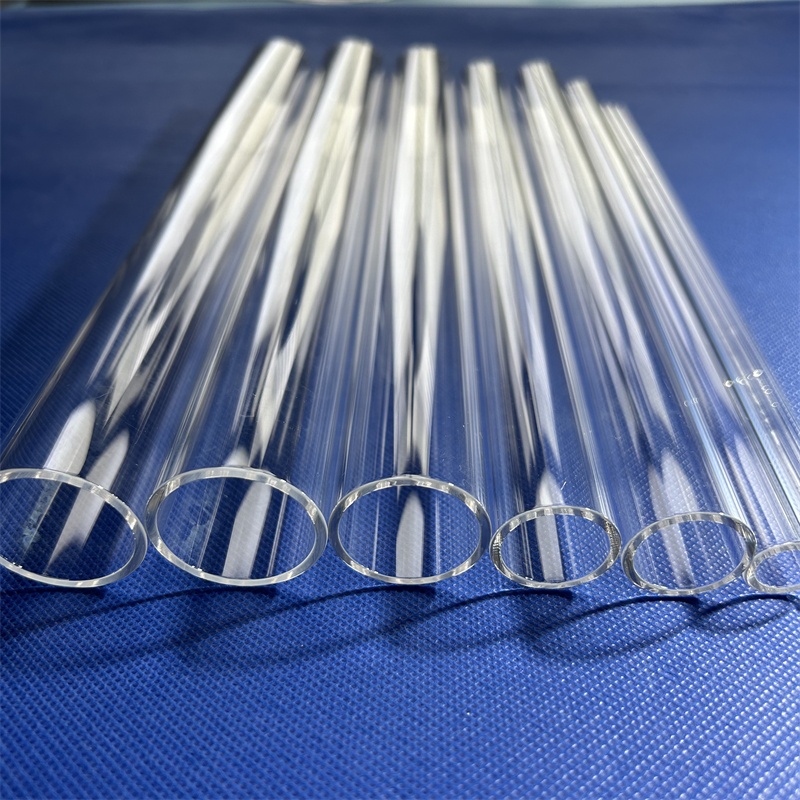
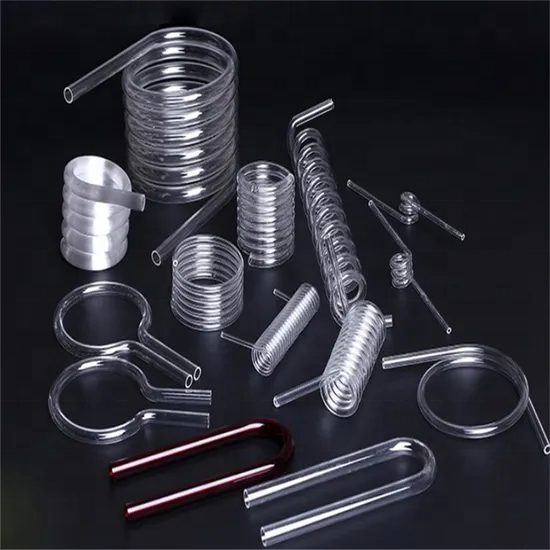
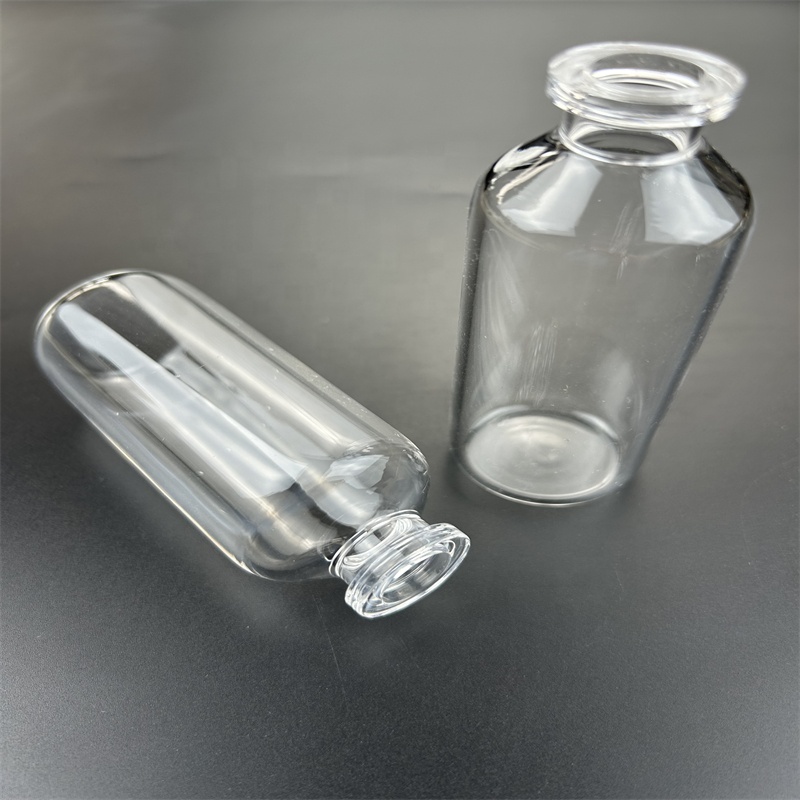
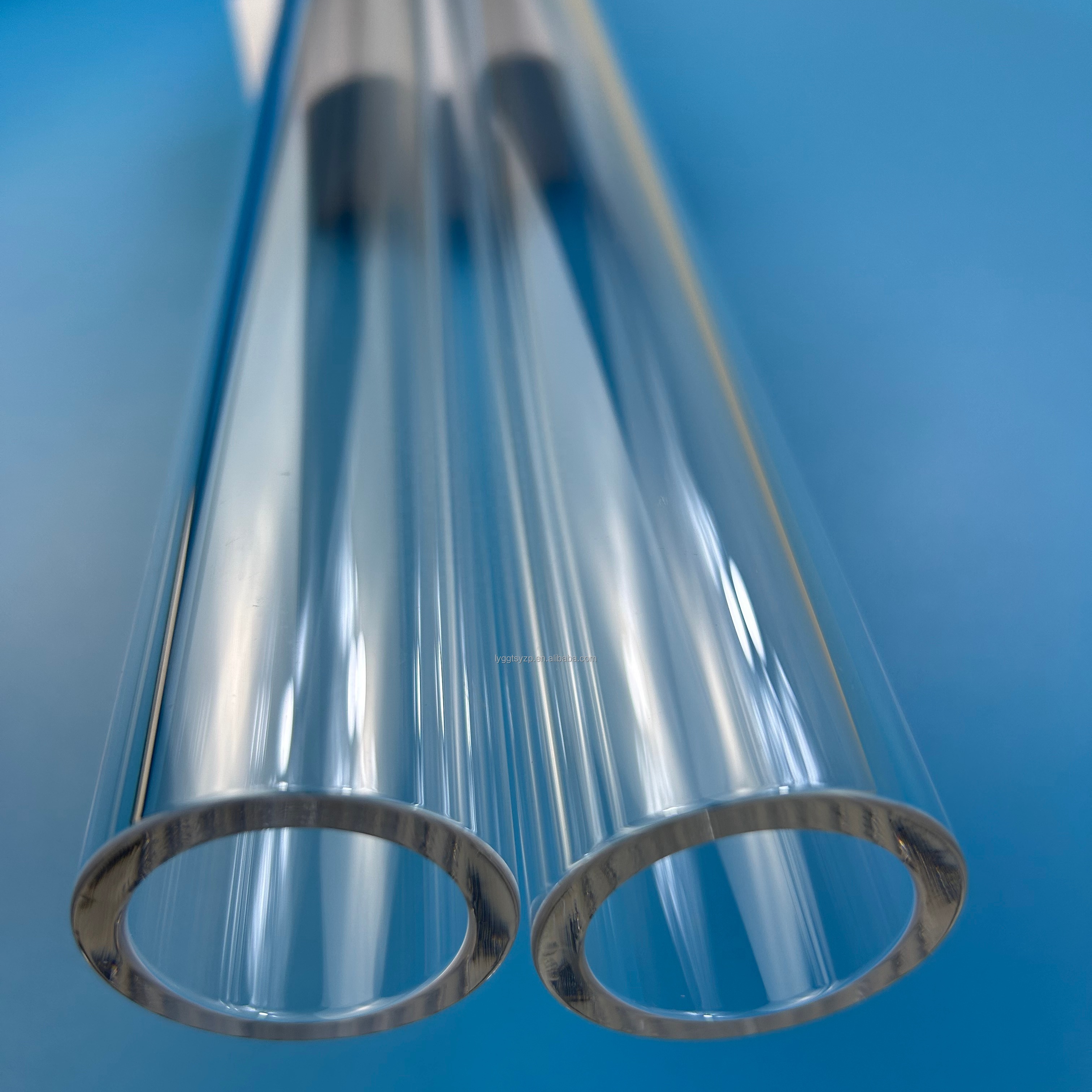
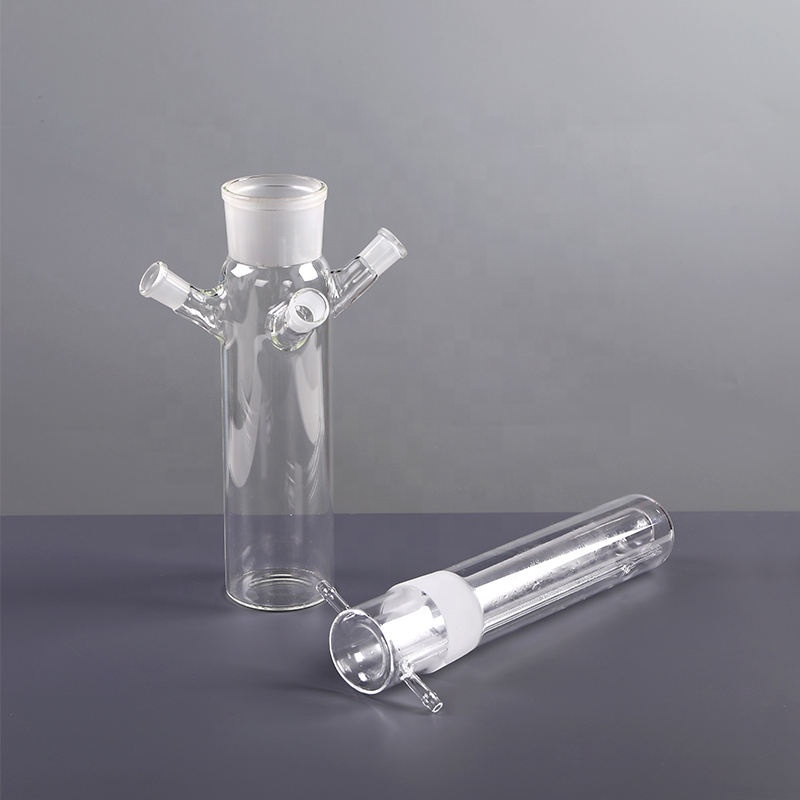


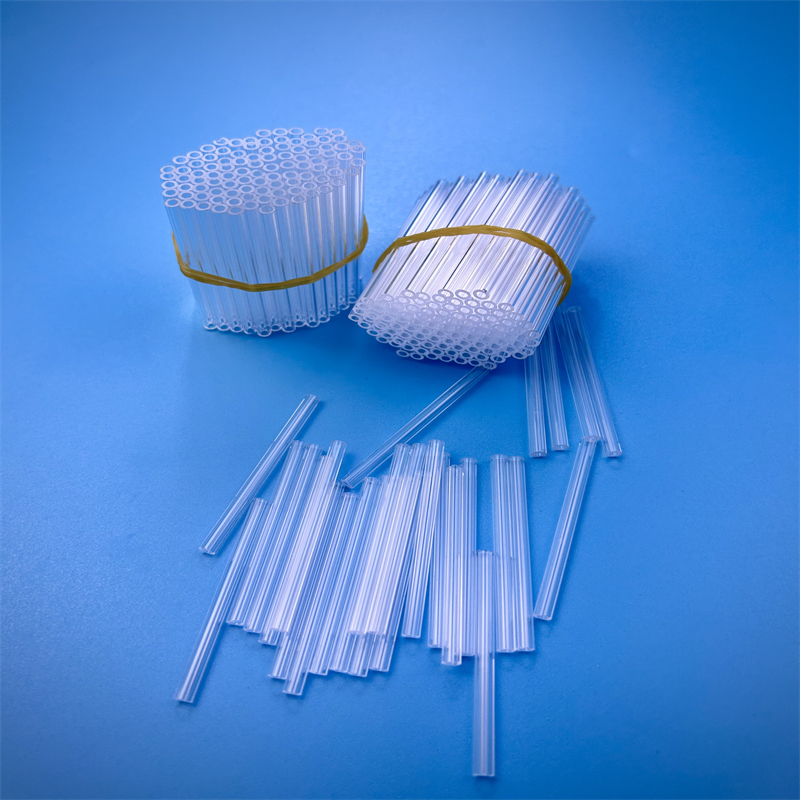
Technical Specification & Optical Classification: JGS1 vs. JGS2 vs. JGS3 Fused Quartz Plates
Selecting high-purity quartz plates for industrial equipment deployed in the heavy chemical, metallurgical, and microelectronic manufacturing operations in Ostrava and the wider Moravian-Silesian Region (Moravskoslezský kraj) demands a rigorous thermodynamic and optical evaluation. Fused quartz and synthetic fused silica exhibit physical characteristics unachievable by borosilicate or aluminosilicate glasses, most notably an ultra-low coefficient of thermal expansion (CTE) of 5.5 × 10⁻⁷ / °C across the 20 °C to 320 °C thermal envelope. This characteristic prevents thermal stress fracture under catastrophic thermal transients, such as rapid quenching from 1100 °C into ambient oil or water baths.
At Zunex Quartz Products Co., Ltd. (Donghai County, Jiangsu, China), fused quartz plates are sliced from gas-refined or electrically fused high-purity ingots derived from Donghai's world-class natural quartz deposits or synthesized through silicon tetrachloride (SiCl₄) flame chemical vapor deposition (CVD). The optical grade selection determines system performance in industrial spectrometers, vacuum viewports, laser ablation benches, and thermal inspection sight glasses:
- JGS1 (Far UV Grade Synthetic Silica): Free of optical bubbles and inclusions. Hydroxyl (OH⁻) content typically around 800–1200 ppm. Delivers deep ultraviolet transmission (> 85% at 185 nm, > 90% at 254 nm) up to 2500 nm. Free from fluorescence under 254 nm excitation, rendering it standard for laser lithography, UV curing viewports, and deep-UV spectroscopy systems at Ostrava research campuses.
- JGS2 (Optical Grade Fused Quartz): Smelted from natural high-purity quartz crystal rocks under hydrogen-oxygen flame. Transmission covers 220 nm to 2500 nm with negligible striations. Contains 100–200 ppm OH⁻. Highly optimized for furnace viewports, metallurgical reactor sight glasses, UV water treatment disinfection covers, and semiconductor wafer bake plates.
- JGS3 (Infrared Grade Fused Quartz): Electrically fused in high-vacuum environments to yield an ultra-dry matrix with hydroxyl content suppressed below 5 ppm. Eliminates the deep OH absorption band at 2.73 μm, enabling continuous infrared transparency up to 3500 nm (and extended transmission to 4.2 μm). Essential for pyrometer sight windows, CO₂ laser optics, gas-phase IR thermometry, and semiconductor furnace inspection ports.
| Physical / Optical Parameter | JGS1 (Synthetic Silica) | JGS2 (Natural Fused Quartz) | JGS3 (Infrared Quartz) | Test / Standard Protocol |
|---|---|---|---|---|
| Primary Raw Material Base | SiCl₄ Chemical Vapor Synthesis | Refined Natural SiO₂ Pegmatite | Vacuum Smelted Low-OH Silica | ICP-OES / GD-MS Chemical Assay |
| Purity (Σ Trace Metal Content) | ≥ 99.999% (≤ 1.5 ppm metal) | ≥ 99.99% (≤ 20 ppm metal) | ≥ 99.99% (≤ 25 ppm metal) | Trace Element Mass Spectrometry |
| Useful Spectral Transmission | 185 nm – 2500 nm (Far UV) | 220 nm – 2500 nm (UV-Vis) | 260 nm – 3500 nm (NIR-IR) | Spectrophotometer D65/UV-VIS-NIR |
| Residual Hydroxyl (OH⁻) | 800 – 1200 ppm | 100 – 200 ppm | ≤ 5 ppm | FTIR Absorption @ 2730 nm |
| Continuous Working Temperature | 1050 °C | 1150 °C | 1180 °C | DIN 52328 / ASTM C598 |
| Strain / Annealing Points | 1070 °C / 1180 °C | 1120 °C / 1215 °C | 1140 °C / 1230 °C | Beam-Bending Viscosimetry |
| Surface Roughness (Polished) | Ra ≤ 0.5 nm (Super-polished) | Ra ≤ 1.5 nm (Standard Optics) | Ra ≤ 2.0 nm (Commercial) | Atomic Force Microscopy (AFM) |
| Parallelism & Flatness | ≤ 10 arcsec / λ/4 @ 632.8 nm | ≤ 30 arcsec / λ/2 @ 632.8 nm | ≤ 1 arcmin / 1λ per 25mm | Zygo Fizeau Laser Interferometry |
Industrial Ecosystem Alignment: Fused Quartz in Ostrava's Manufacturing Modernization
Ostrava has evolved from the historical "Steel Heart of the Czech Republic" (Ocelové srdce republiky) into an advanced Central European center for specialized metallurgy, automotive powertrain manufacturing, technical polymers, environmental catalysis, and material science research centered around VŠB – Technical University of Ostrava (Vysoká škola báňská) and the regional innovation zones (Ostrava-Mošnov Multimodal Park and Ostrava-Hrabová). This ongoing structural transformation creates distinct engineering demands for specialized fused quartz components:
Advanced Metallurgy & Heat Treatment
Ostrava's specialty alloy foundries and precision vacuum heat-treating shops require fused quartz sight glasses, thermocouple protective sheaths, and furnace inspection plates capable of resisting continuous operation at 1150 °C without devitrification (cristobalite crystal seeding) or structural sagging under prolonged thermal soak.
Semiconductor & Sensor Clusters
The semiconductor, power module, and electronic sub-assembly lines expanding throughout Northern Moravia utilize our high-purity carrier trays, wafer boats, slotted carriers, and ultra-flat quartz substrates where total elemental sodium (Na), potassium (K), and iron (Fe) contaminants must remain strictly below 0.1 ppm to protect gate oxides.
Nanotechnology & Materials Analysis
Laboratories at CEET (Centre for Energy and Environmental Technologies) and VŠB-TUO rely on zero-background X-Ray Diffraction (XRD) sample plates, BET surface sorption sample tubes, and photocatalytic digestion reactors with optical UV transmittance optimized for analytical precision.
Localized Trends: The Shift Toward Automated Optical Sorting and Cleanroom Fab
Industrial buyers across Ostrava and the border industrial corridors of Silesia (connecting Katowice and Ostrava via the D1 motorway) are moving toward automated inline optical inspection, automated laser welding cells, and hydrogen-assisted furnace processing. Standard soda-lime or borosilicate viewports crack under intense thermal gradients or darken under high-energy UV/IR radiation.
Furthermore, clean manufacturing mandates within the European Green Deal have driven Moravian facilities to retrofit fossil-fuel combustion chambers with short-wave infrared (SWIR) twin-tube quartz emitters. Fused quartz twin tubes focus infrared energy with minimal thermal inertia, ramping up to process temperatures in milliseconds and cutting electrical power consumption in automotive coating and curing lines by up to 38%.
Precision Fabrication Infrastructure & Quality Control in Donghai
Every fused quartz plate, tube, and custom vessel supplied by Zunex Quartz to European buyers is produced in our specialized workshop in Donghai County, China. With full in-house capabilities ranging from hydrogen-oxygen flame lathe bending to CNC diamond wheel ultrasonic milling, laser micromachining, and cleanroom optical polishing, we deliver dimensional tolerances down to ± 0.02 mm.
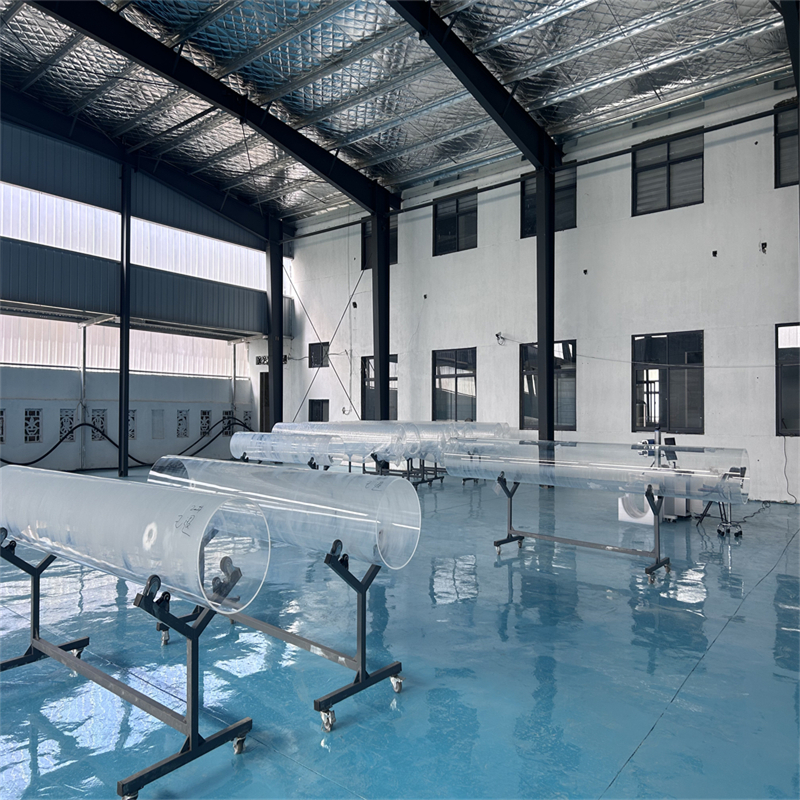


Our verified export capability combines third-party audited transaction records on Alibaba.com (US$ 2.5M – US$ 5.0M annual revenue) with a proven 43% repeat-order rate from industrial manufacturers across Germany, Poland, Austria, and the Czech Republic. Inquiries from Ostrava engineering teams are handled directly by technical quartz engineers, ensuring a quotation with manufacturability feedback (DFM) within two hours.
Procurement FAQ: Engineering, Shipping & Quality Assurances for Ostrava Buyers
How are fragile quartz plates protected during transit to Ostrava?
We employ a certified multi-layer packaging system engineered specifically for intercontinental air and multimodal rail transit. Each plate is sealed in cleanroom polyethylene or vacuum-wrapped in optical lens paper, isolated within custom high-density CNC-milled EPE (Expanded Polyethylene) foam compartments, and packed into reinforced five-ply export wooden crates with shock and tilt indicators. Consignments shipped via DHL Express or direct air freight to Leoš Janáček Airport Ostrava (OSR) or Václav Havel Airport Prague (PRG) arrive intact with less than a 0.1% transit breakage rate over 7 years of tracked shipments.
Can Zunex manufacture according to Czech ČSN and European DIN EN standards?
Yes. All raw fused silica and finished plates satisfy the thermal, chemical, and mechanical tolerances specified in DIN 1259-1 (Glass in building/industry), DIN 52328 (Coefficient of expansion measurement), and ISO 10110 (Preparation of drawings for optical elements and systems). We provide 3.1 Material Inspection Certificates, dimensional CMM inspection sheets, and UV-Vis spectrophotometer spectral transmission curves with every production lot.
What CAD drawing formats do you accept for custom CNC machining?
Our engineering team works directly with standard engineering formats, including STEP (.stp), IGES (.igs), DXF, DWG, and dimensional PDF prints with GD&T (Geometric Dimensioning and Tolerancing) callouts. We can machine complex mounting slots, bevels, countersunk holes, laser-drilled micro-apertures down to Ø 0.2 mm, step-down flanges, and polished sight ports according to your exact mechanical files.
How do import customs duties and VAT work for Czech industrial entities?
We provide full export documentation under the standard HS Code 7002.31.00 (Tubes of fused quartz) or HS Code 7006.00.00 / 7017.10.00 (Quartz plates, discs and laboratory glassware). Shipments can be contracted under FOB Shanghai, CIF Prague/Ostrava, or DAP / DDP delivered directly to your plant in Ostrava. For entities registered with a valid Czech DIČ (tax ID), EU reverse-charge VAT mechanisms apply upon customs clearance handled by your freight forwarder or our integrated logistics agents.
What is the typical devitrification threshold of your quartz plates?
Under high purity conditions (≥ 99.99% SiO₂), devitrification (transformation from metastable amorphous silica to crystalline cristobalite) occurs exclusively above 1150 °C. Contact with alkaline salts, fingerprints, or airborne alkali dust reduces the devitrification trigger temperature down to 900 °C. We recommend washing optical plates with high-purity ethanol or a 5% hydrofluoric acid dip followed by deionized water rinse before initial high-temperature furnace installation.
What is your Minimum Order Quantity (MOQ) for prototypes vs. mass production?
We maintain an agile, engineering-first manufacturing floor. Prototyping and single-piece custom proof-of-concept orders (MOQ = 1 piece) are welcomed for research centers at VŠB-TUO and equipment OEMs. For high-volume repeat runs (e.g., thousands of standard 100mm × 100mm × 3mm JGS2 furnace sight glasses or XRD chips), we implement tiered volume contract pricing with reserved raw material warehousing in Donghai.
Partner Directly with China's Premier Fused Quartz Glass Maker
Accelerate your projects in Ostrava with rapid engineering reviews, factory-direct pricing, certified material purity, and fast door-to-door delivery. Send your drawings, dimensions, or technical specifications today.