Precision Quartzware Catalog & Custom Fabrications
Manufactured from optical-grade natural quartz and synthetic fused silica (SiO₂ ≥ 99.99%) in Donghai, delivered with sub-millimeter tolerances to Liverpool laboratories and advanced manufacturing facilities.
Engineering Pure Fused Silica for the Liverpool Scientific Cluster
A technical guide on component sourcing for the Knowledge Quarter Liverpool (KQ Liverpool), Sci-Tech Daresbury, and the Mersey advanced chemical corridor.
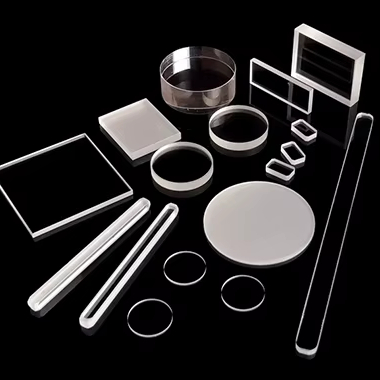
The Liverpool City Region has evolved from its historical port heritage into one of the United Kingdom's most vigorous epicenters for life sciences, specialty chemical processing, materials science, and renewable propulsion research. From academic centers at the University of Liverpool and Liverpool John Moores University to the research clusters of Knowledge Quarter Liverpool (KQ Liverpool) and Sci-Tech Daresbury across the Mersey Gateway, research teams demand raw components with absolute thermal integrity, negligible chemical leaching, and superior spectral transmission. As a premier original design manufacturer (ODM) based in Donghai County—the global sourcing core for natural crystalline quartz—Zunex Quartz Products Co., Ltd. bridges high-precision manufacturing with streamlined direct export channels serving the Merseyside corridor.
High-temperature processing vessels and optical viewports utilized in these environments cannot afford thermal drift or surface devitrification. Fused quartz stands out as the ultimate engineering glass because of its exceptionally low coefficient of thermal expansion (5.5 × 10⁻⁷ /°C). This gives it the capability to endure abrupt thermal shocks—such as water quenching directly from 1100°C—without structural failure. When researchers at the Materials Innovation Factory (MIF) formulate high-throughput catalysis screenings, or technical operators along the St. Helens and Runcorn chemical belt manage severe chlor-alkali reactors, high-purity quartzware is non-negotiable. Standard borosilicate glassware fails at temperatures above 500°C and dissolves rapidly when exposed to prolonged acidic vapor phases; fused silica provides near-infinite operational longevity and zero contamination trace profiles.
Materials Characterization & XRD
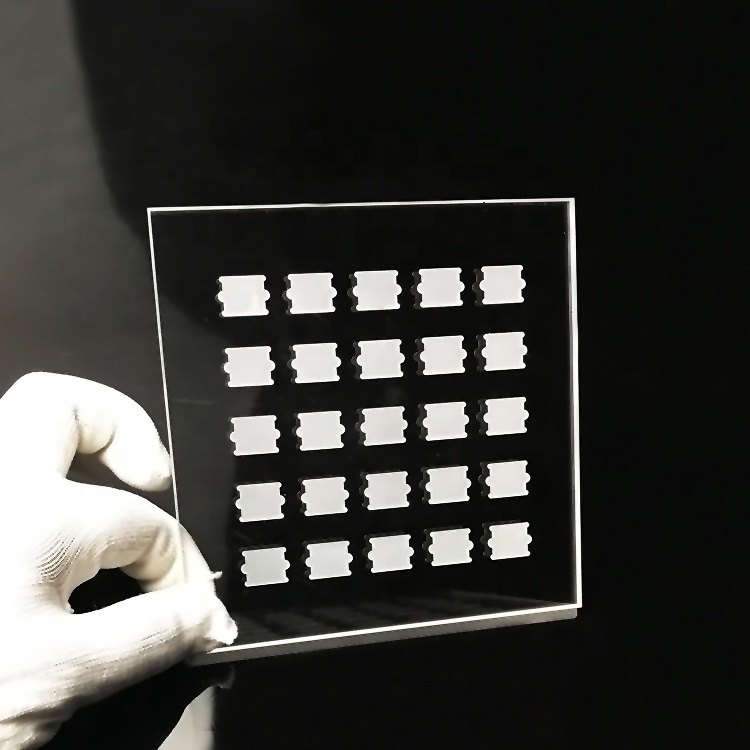
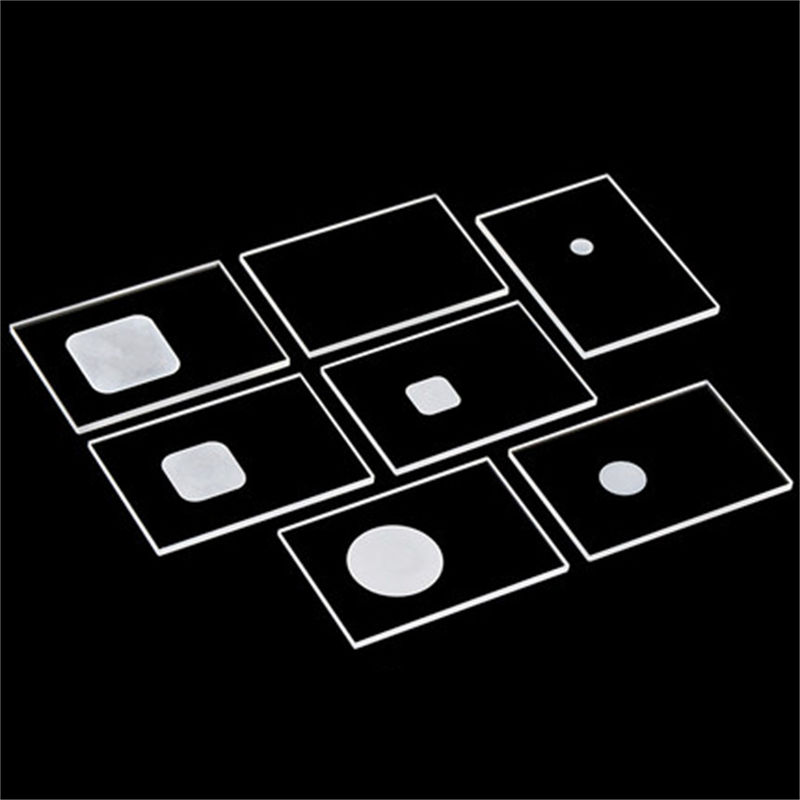
XRD sample holders and sample containment wells designed with custom zero-background geometry. These quartz holders eliminate background scattering noise across 2θ diffraction patterns, critical for crystal synthesis validation in KQ Liverpool laboratories.
CVD & Thin-Film Epitaxy
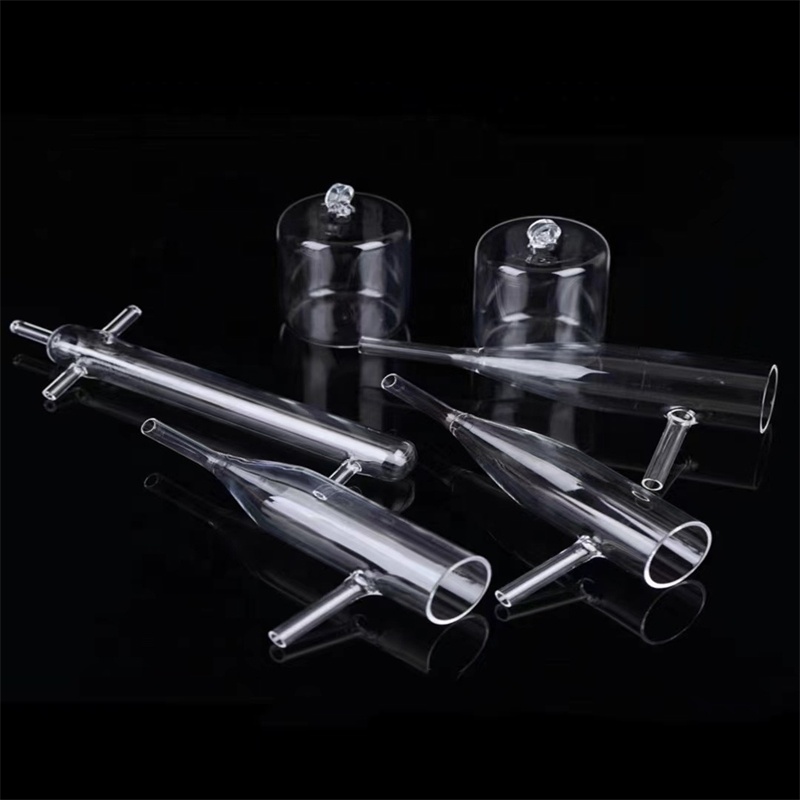
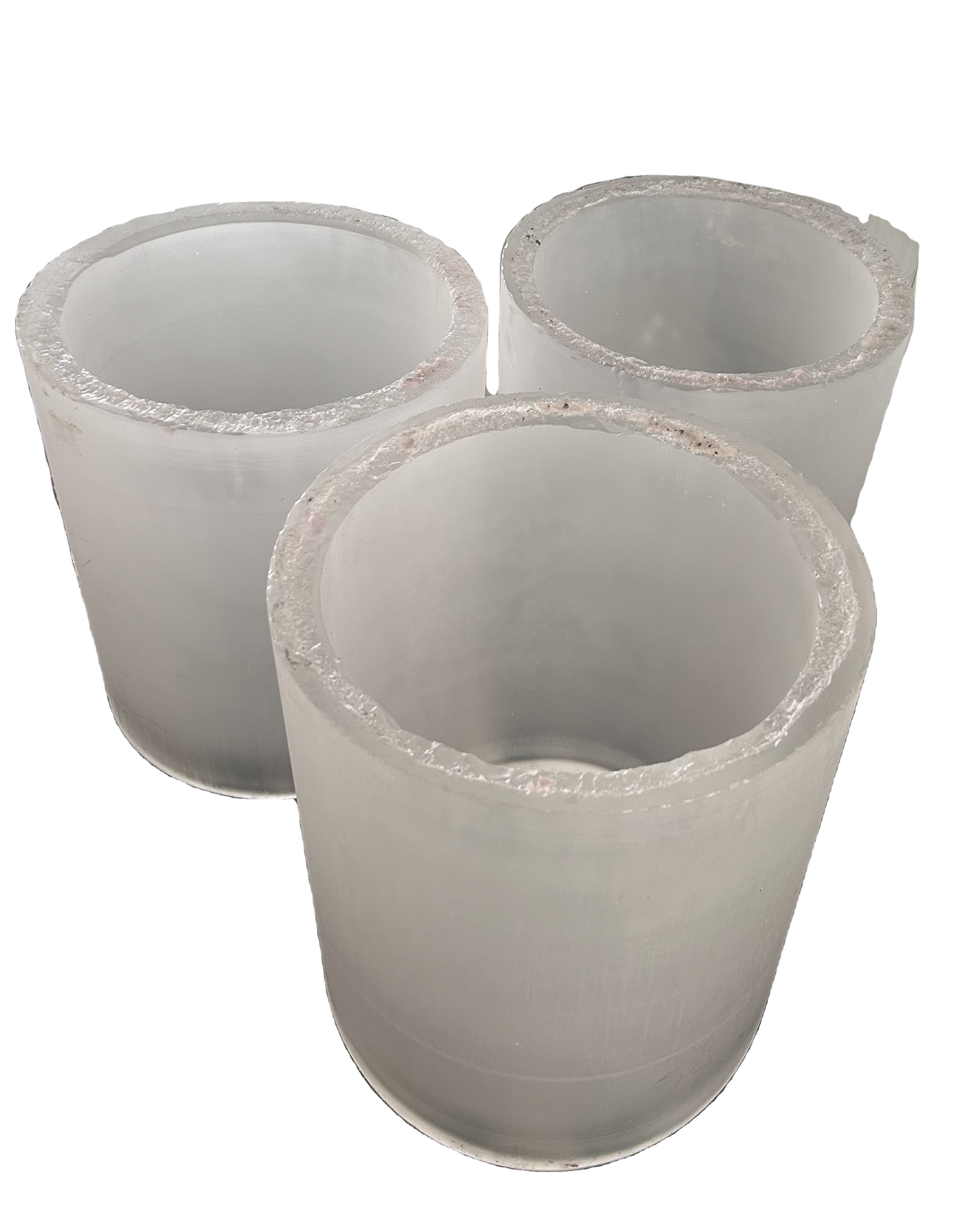
Twin-tube reactor enclosures, process liners, and slotted quartz boats for chemical vapor deposition. Suited for semiconductor pilot-lines and advanced 2D material synthesis under high vacuum (<10⁻⁵ Pa) at temperatures exceeding 1050°C.
Photocatalytic & Flow Reactors
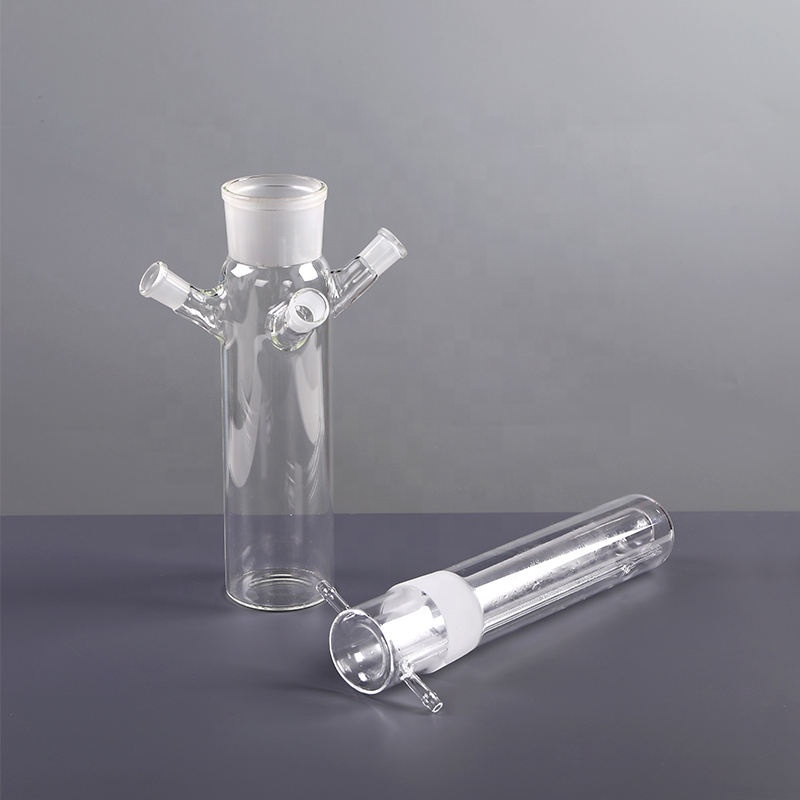
Precision-welded internal-illumination containers enabling deep ultraviolet (UV-C at 254 nm and 185 nm) penetration. Optimized for municipal water decontamination validation and photocatalytic hydrogen production studies along the River Mersey industrial basin.
Deep UV, Optical, and Infrared Fused Silica Grade Selection
A granular evaluation between synthetic silica and natural fused quartz to eliminate transmission drops and hydroxyl band absorption.
Procuring quartz components for industrial setups requires distinguishing between optical transmission windows and hydroxyl (OH⁻) content. Sourcing the wrong grade often causes transmission attenuation, premature solarization, or unexpected stress cracking under vacuum heating. Zunex supplies three standardized grades tailored for distinct working bandwidths:
| Material Grade | Origin / Synthesis | Transmission Band | Hydroxyl (OH⁻) Level | Primary Industrial Use-Case |
|---|---|---|---|---|
| JGS1 (Synthetic Silica) | SiCl₄ flame hydrolysis vapor synthesis | 185 nm – 2500 nm (Deep DUV) | ≤ 1200 ppm (High OH) | Excimer laser optics, lithography masks, UV spectroscopy windows, zero-fluorescence imaging |
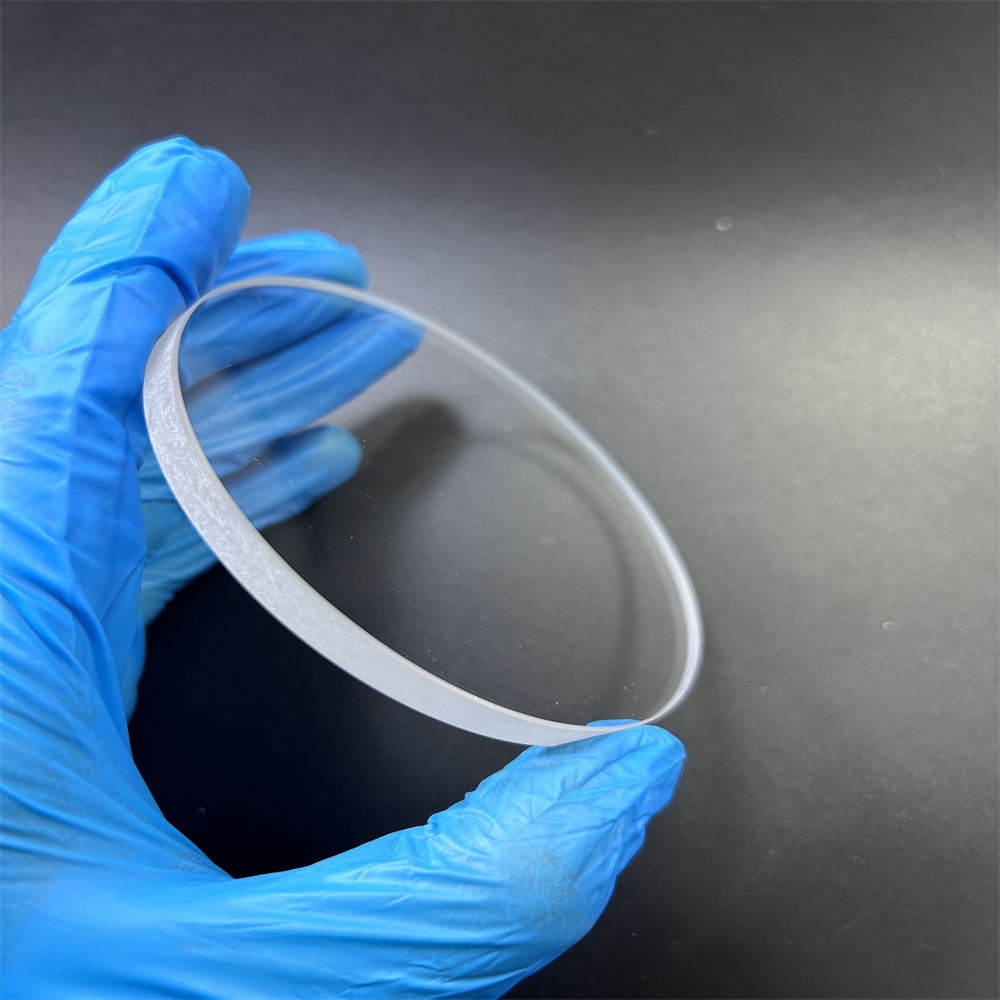
| JGS2 (Fused Quartz) | Natural quartz crystal melting (Oxyhydrogen) | 220 nm – 2500 nm (UV-Vis) | ≤ 150 – 200 ppm | Furnace viewing ports, sight glasses, standard XRD sample stages, UV curing reactor sleeves |
| JGS3 (Infrared Quartz) | Vacuum electro-fusion of pure quartz | 260 nm – 3500 nm (NIR / Mid-IR) | ≤ 5 ppm (Water-free) | IR heating elements, pyrometry viewports, FTIR spectroscopy cells, thermal imaging housings |
For applications such as deep-ultraviolet photochemical reactors located at Liverpool biotechnology laboratories, JGS1 synthetic fused silica prevents the transmission drop-off that natural quartz experiences below 220 nm. Conversely, for process heating equipment and infrared gas tracking in energy plants, JGS3 infrared-grade quartz is vital because it removes the strong absorption band at 2.73 μm caused by fundamental OH vibration. Specifying these parameters during the initial RFQ ensures dimensional accuracy, optical transmittance, and structural stability across your operating temperatures.
Liverpool & North West Regional Industry Trends (2025–2030)
Addressing supply chain decoupling, net-zero green hydrogen transition, and direct factory-to-laboratory delivery channels.
HyNet North West & Hydrogen Infrastructure
As the Mersey region accelerates the HyNet North West decarbonization cluster, industrial pyrolyzers and solid-oxide electrolysis test-cells require thermal shock-resistant quartz reaction tubes capable of handling pure H₂ embrittlement at elevated temperatures.
Automated Microfluidics & Bio-sensing
Liverpool's biomedical expansion creates sustained demand for laser-micro-machined quartz chips and micro-capillaries. Unlike polymer alternatives, quartz eliminates autofluorescence under laser excitation, preserving single-molecule analytical fidelity.
Direct-from-Source Procurement
Faced with inflation and tiered distributor markups throughout the UK distribution network, procurement teams in Liverpool increasingly bypass intermediary agents. Direct technical collaboration with Donghai fabrication workshops cuts tooling lead times by 35%.
Why Institutional Buyers Trust Zunex Quartz
Combining primary-source raw silica resources with precision CNC cold processing, flame-working, and laser finishing.
Advanced Laser Finishing & CNC
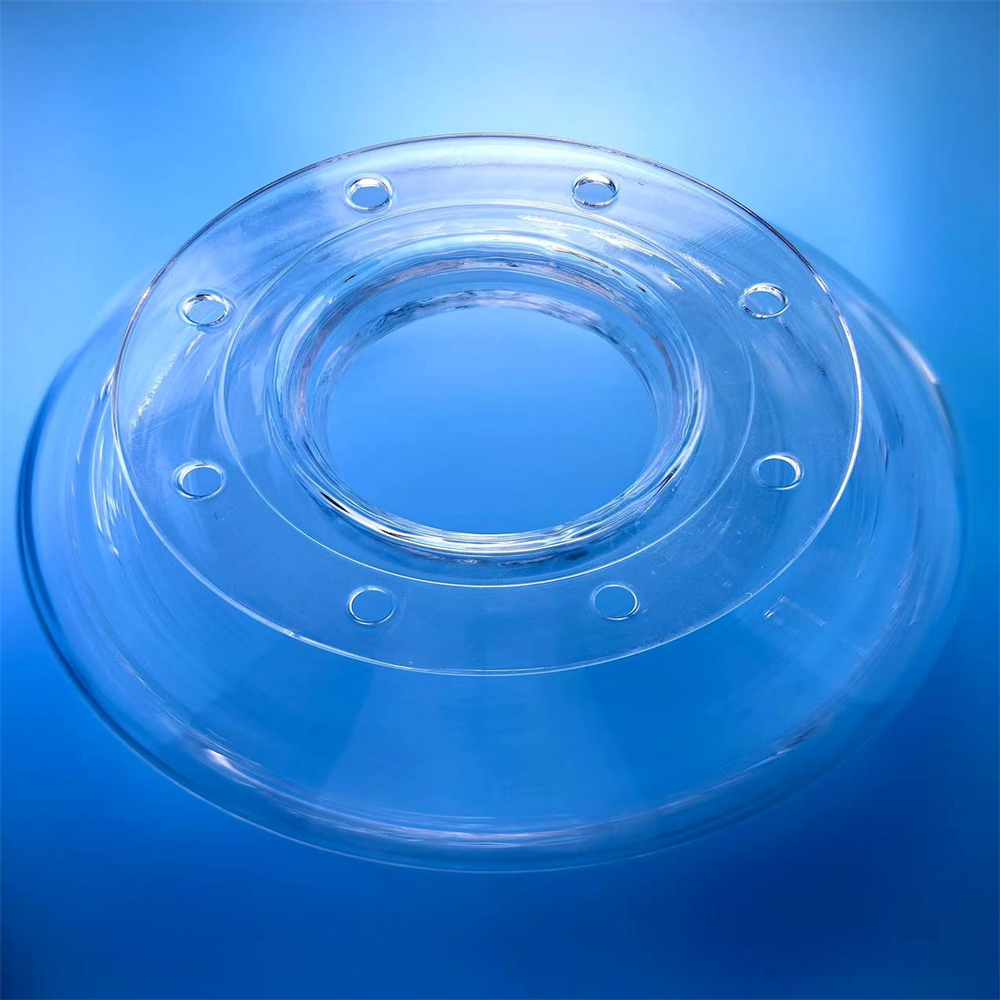
We execute sub-millimeter laser micro-drilling, custom edge beveling, blind grooving, and stepped contouring on quartz plates and tubes without propagation micro-cracking, preserving full mechanical load integrity.
Rapid Engineering Reviews
Every submitted PDF, DWG, or STEP file is evaluated directly by manufacturing engineers—not general sales agents. We confirm thermal margins, wall uniformities, and draft angles, returning technical quotations within 2 hours.
Zero-Breakage Export Packaging
Our fragile-cargo export architecture combines custom CNC closed-cell high-density foam molds with multi-ply reinforced wooden crates. Consignments shipped to Liverpool via direct air or Seaforth container terminals arrive intact.
Frequently Asked Questions by Liverpool Buyers
Key information regarding international logistics, customs compliance, material test reports, and custom drawings.
How do you manage import clearance into the UK (Liverpool)?
We supply complete commercial invoices, packing lists with accurate UK Integrated Tariff commodity codes (HS code: 7002.31 for tubes, 7006.00 for plates), and Certificates of Origin. Shipments can be delivered DPU or DDP directly to your facility in Knowledge Quarter, Speke, or Birkenhead.
Can you fabricate custom components according to non-standard CAD drawings?
Yes. Custom manufacturing to client drawings is our core specialty. Our engineers work from 2D vector files (DXF, DWG, PDF) and 3D solid models (STEP, IGES), advising on draft angles, thermal bend radiuses, and slotting depth tolerances down to ±0.02 mm.
What testing certifications accompany our quartz component deliveries?
Every export batch is cross-checked through interferometric surface roughness testing, dimension metrology, and polariscope stress mapping. Upon request, we furnish comprehensive spectrographic trace-element analyses (glow discharge mass spectrometry - GDMS) verifying SiO₂ purity above 99.99%.
What are the continuous and intermittent temperature thresholds of your quartz?
Our clear fused quartz items operate reliably at 1100°C in continuous operation and withstand short thermal cycles up to 1300°C. The softening point is approximately 1683°C, while the annealing transformation point is calibrated around 1215°C.
How does fused quartz perform against concentrated acids in chemical processing?
Fused silica offers near-total chemical inertness to virtually all acids—including boiling sulfuric, nitric, and hydrochloric acid—at temperatures exceeding 300°C. Only hydrofluoric acid (HF) and hot concentrated phosphoric acid attack the silicate matrix.
What is the minimum order quantity (MOQ) for prototypes and pilot lines?
We welcome low-volume prototypes (1 to 5 pieces) for academic research and developmental pilot runs. Once your design is validated, our production workflows scale seamlessly into high-volume batch runs with dedicated CNC tooling jigs.