Factory-Direct Catalog
Engineered Fused Quartz & Silica Tubes for Industrial Demands
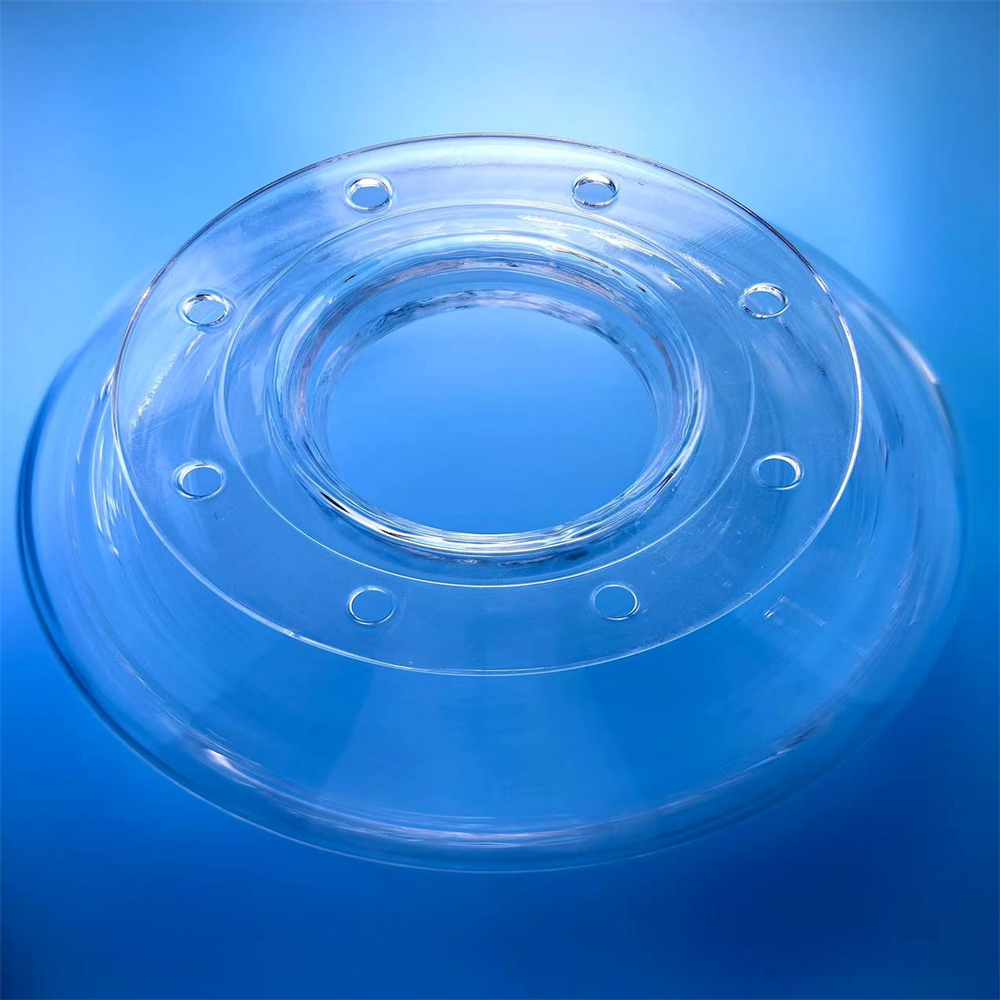
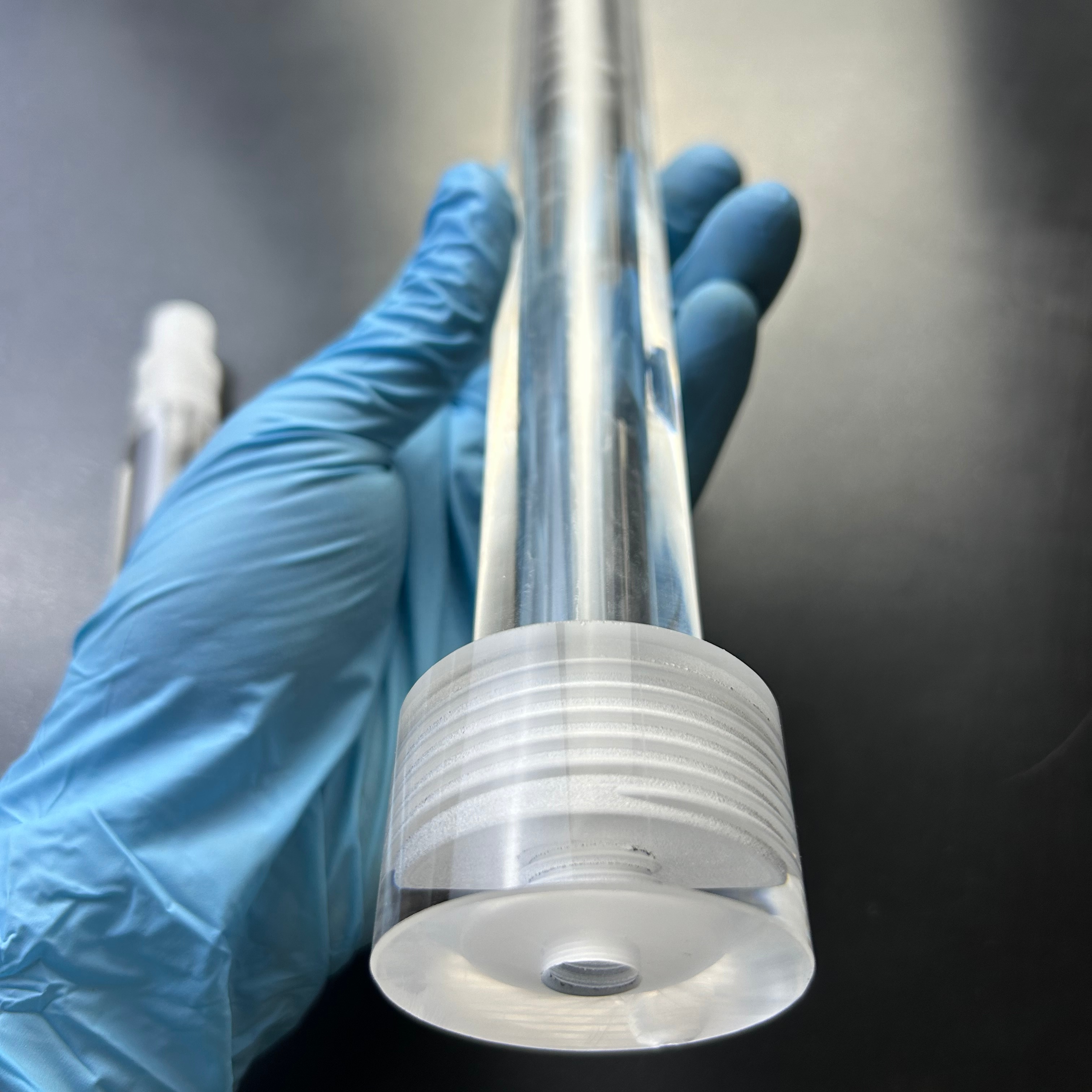
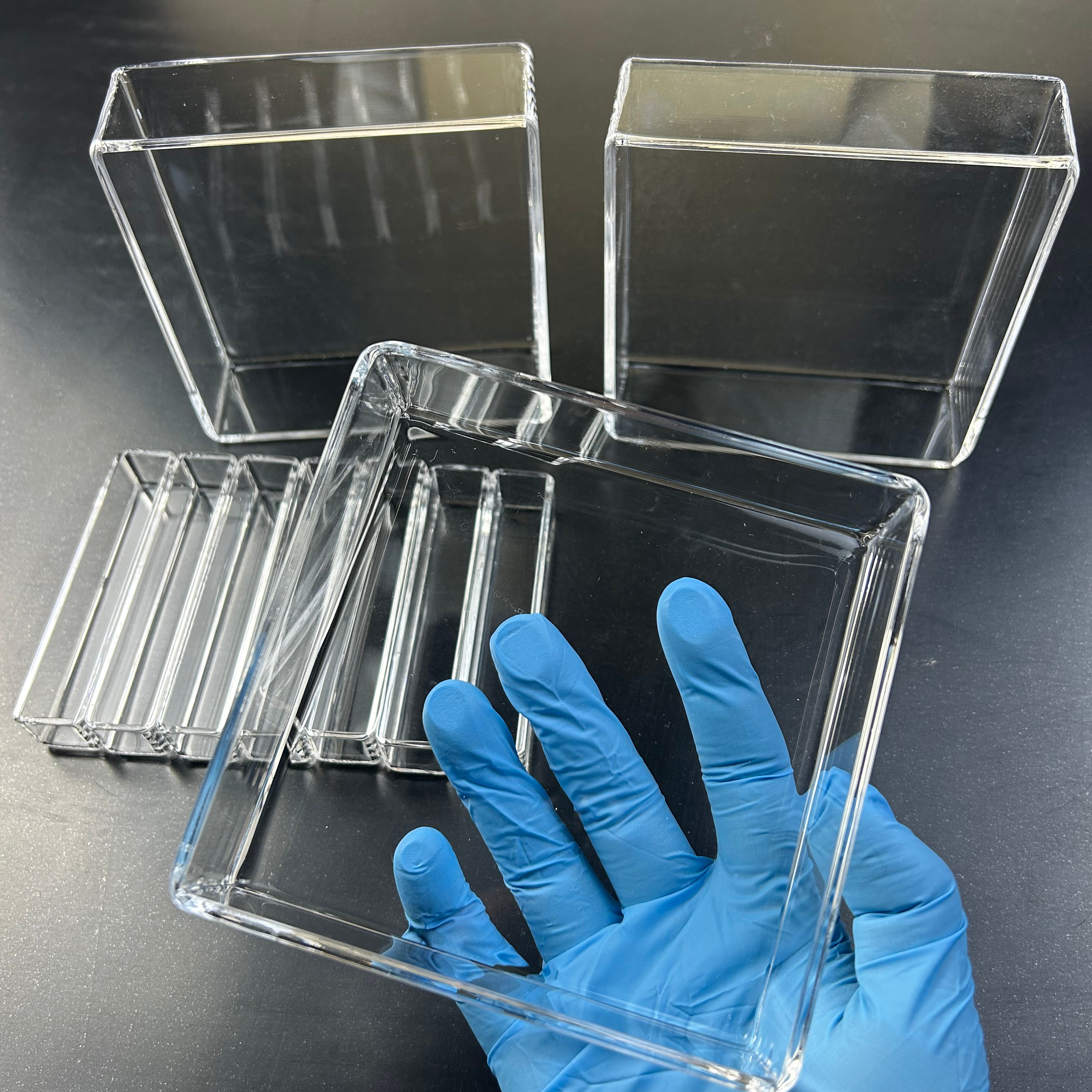
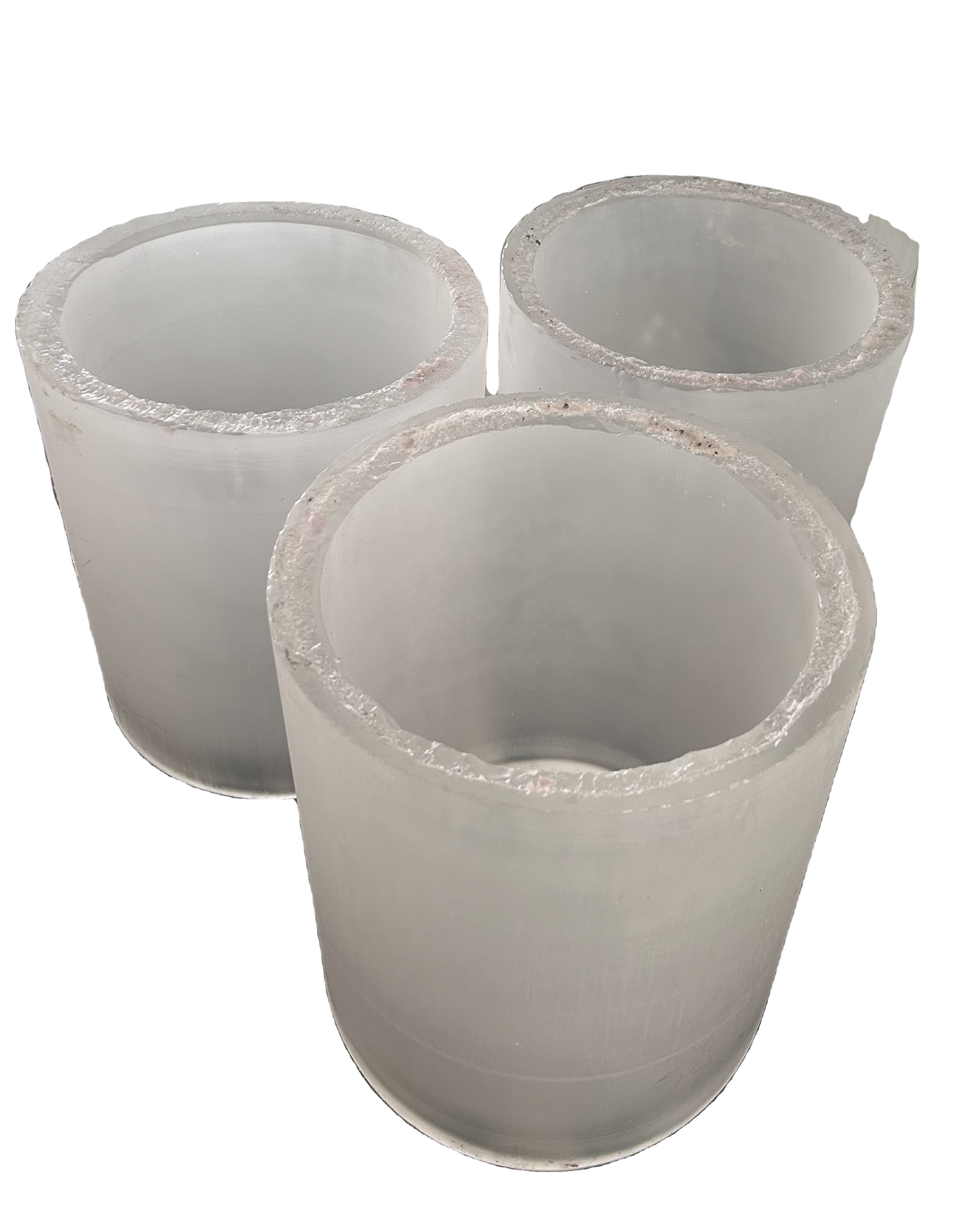
Manufactured to customer CAD/STEP drawings with strict thermal shock resistance, tight dimensional tolerances, and high ultraviolet-to-infrared transmissivity.

Localized Industry Applications
San Pedro Sula Industrial Landscape & Quartz Glass Integration
As the industrial and manufacturing powerhouse of Honduras and Central America, the Sula Valley hosts an evolving ecosystem of export processing zones, chemical plants, and agro-industrial refining.
Textile Finishing & Infrared Stenter Heating
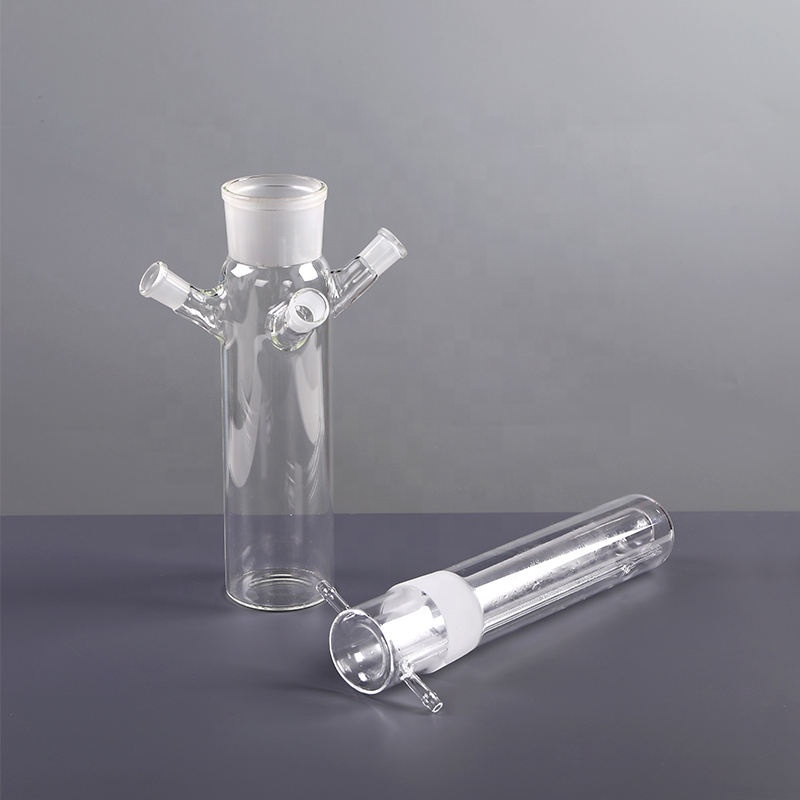
The maquiladora textile corridor surrounding San Pedro Sula, Choloma, and Villanueva relies heavily on high-speed infrared drying, thermosol curing, and polymer bonding. Our twin-tube clear quartz sleeves and gold-coated reflective silica tubes protect carbon and tungsten infrared filaments from corrosive chemical vapors, lint buildup, and extreme thermal gradients without losing radiant heat efficiency.
Agro-Industrial Sterilization & Palm Oil Refining
Cortés and the surrounding Atlantic plains constitute Central America's focal point for palm oil extraction, sugarcane ethanol distillation, and food processing. High-volume fluid lines demand ultraviolet germicidal irradiation (UVGI) quartz sleeves in JGS2 and synthetic silica. These sleeves ensure over 90% transmission at the critical 254 nm germicidal peak while resisting high hydrostatic line pressures and aggressive caustic CIP washes.
Chemical Digestors & Municipal Effluent Treatment
Industrial parks located in the ZIP (Zonas Industriales de Procesamiento) run strict environmental monitoring laboratories. Our customized photocatalytic reaction tubes, digestion vessels, and combustion tubes offer near-zero thermal expansion (5.5 × 10⁻⁷ /°C), enabling direct quenching from 1100°C into ambient wash water without risk of catastrophic structural shattering or silicate leaching.
Material Science Reference
Physicochemical Benchmark of Fused Silica for Industrial Buyers
Understanding the distinction between synthetic silica, electrical fused quartz, and optical grade quartz ensures optimal component lifespans in tropical industrial environments.
| Physical / Optical Property | JGS1 (Synthetic Silica) | JGS2 (Optical Fused Quartz) | JGS3 (Infrared Fused Quartz) |
|---|---|---|---|
| Purity Level (SiO₂ Content) | ≥ 99.999% (Low trace metals) | ≥ 99.99% (Standard industrial) | ≥ 99.98% (Low-OH formulation) |
| Spectral Transmission Range | 185 nm – 2500 nm (Deep UV) | 220 nm – 2500 nm (UV-Visible) | 260 nm – 3500 nm (Extended IR) |
| Maximum Working Temp (Continuous) | 1150 °C | 1100 °C | 1100 °C |
| Thermal Softening Point | 1730 °C | 1683 °C | 1680 °C |
| Thermal Shock Resistance | Quench 1100 °C to 20 °C water (No Crack) | Quench 1100 °C to 20 °C water (No Crack) | Quench 1050 °C to 20 °C water (No Crack) |
| Common San Pedro Sula Use Case | Semiconductor testing & HPLC optical sensors | Maquila IR heating & UV water sterilizers | Gas analysis sight glasses & IR drying lamps |
Sula Valley Market Dynamics
Emerging Trends Driving Quartz Tube Procurement in Honduras
Macroeconomic shifts in Central American manufacturing indicate substantial growth in technical ceramics and fused silica demand across the Cortés department.
Nearshoring & Clean Energy Transition
With North American manufacturers shifting high-specification supply chains closer to the CAFTA-DR region, Honduran assembly facilities are upgrading from legacy metal heating elements to clean-room grade electric infrared quartz emitters. This change avoids contamination, accelerates cycle speeds, and reduces factory carbon footprints.
Modernization of Water Remediation Plants
Stricter Honduran environmental regulations under SERNA require textile washing and dyeing operations around Río Chamelecón to implement closed-loop wastewater recovery. High-dosage ultraviolet advanced oxidation processes (UV/AOP) using heavy-wall synthetic silica reactor sleeves are becoming the standard replacement for chemical flocculation.
Demand for Precision Custom CNC Cold-Machining
Plant maintenance engineers increasingly require custom drop-in replacement quartz components rather than waiting for original equipment manufacturer (OEM) lead times of 16-24 weeks. Sourcing direct from Chinese factories with precision laser cutting and custom flanging capabilities cuts procurement turnaround by over 50%.
Direct Manufacturer Advantage
Why Sula Valley Engineers Direct-Source from Zunex Quartz
Located in Donghai County—the epicenter of global quartz mining and processing—Zunex Quartz combines technical precision, fast communication, and secure maritime transit.
Direct CAD/STEP Fabrication
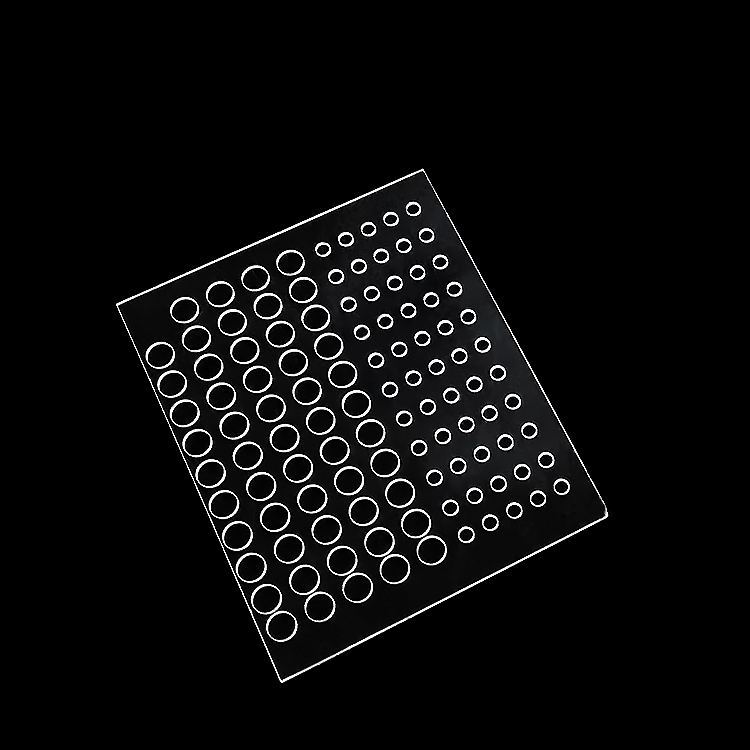
Every drawing received from Honduran buyers is cross-examined by technical glass specialists before quoting. We machine custom twin-tubes, welded joints, polished flanges, and laser-slotted wafer holders without middleman markups.
Rapid Technical Response Time (≤ 2h)
With an officially verified 100% response rate, our global sales desk operates across time zones. Procurement directors in San Pedro Sula receive actionable engineering quotes, material certificates, and packing profiles within two hours.
Shock-Proof Multi-Layer Packaging
Maritime routes into Puerto Cortés demand rigorous packaging. We utilize customized high-density EPE foam cradles, vacuum moisture barriers, and reinforced fumigated plywood crating to ensure zero in-transit hairline fractures or breakages.
100%
Inquiry Response Rate
Verified by Independent Audit
≤ 2h
Average Response Window
Direct Engineer Review
43%
Repeat Order Metric
Consistent Dimensional Quality
≥ 99.99%
SiO₂ Chemical Purity
Trace Metal Controlled
Buyer Guidance
Frequently Asked Questions by Industrial Importers in San Pedro Sula
Addressing the core technical, logistical, and commercial inquiries relevant to Honduran plant operators and freight forwarders.
How are quartz tube consignments routed to San Pedro Sula?
Most bulk commercial shipments are dispatched from Shanghai or Ningbo ports directly to Puerto Cortés, located approximately 55 km north of San Pedro Sula. From Puerto Cortés, customs clearance is completed directly into local ZIP industrial parks or private warehouses via the CA-5 highway corridor. For urgent production line breakdowns, air cargo to Ramón Villeda Morales International Airport (SAP) is readily supported.
How do you mitigate risk of breakage during ocean shipping?
Fragile quartz glass requires precision isolation during transport. Each individual tube is enclosed in form-fitting foam casing, boxed into inner corrugated cartons, and then locked within heavy-duty timber cases bolted to transport skids. Accelerometer drop indicators and moisture-barrier foils are added upon request for high-value optical components.
Can our factory obtain custom outer diameters (OD) and non-standard wall thicknesses?
Yes. In addition to standard metric and imperial dimensions (ranging from outer diameter 2mm up to 600mm), our Donghai hot-working facility provides custom redraw capabilities, flange flame welding, U-bending, cut-to-length grinding, and fire-polished edges aligned with your technical drawings.
What is the typical lead time for custom quartz fabrication?
Standard quartz tube stock ships within 3 to 5 business days. Custom CNC machining, laser grooving, flanging, or complex twin-tube forming typically requires 10 to 18 business days depending on order volume. Expedited production lanes are available for critical factory maintenance shutdowns.
How do you verify material purity and thermal specifications?
Every production batch is backed by factory test certificates verifying SiO₂ content (typically ≥ 99.99%) alongside trace impurity analyses (Fe, Al, Ti, Na, K, Li, Ca). We also offer spectrophotometer transmission scan reports verifying UV or IR transmittance on optical grades.