Precision Quartz Bottles, Vessels & Optical Tubes
Direct manufacturer supply from Donghai County. Custom-tailored to dimensional drawings with ultra-low thermal expansion, deep UV transmission, and continuous thermal stability exceeding 1100°C.
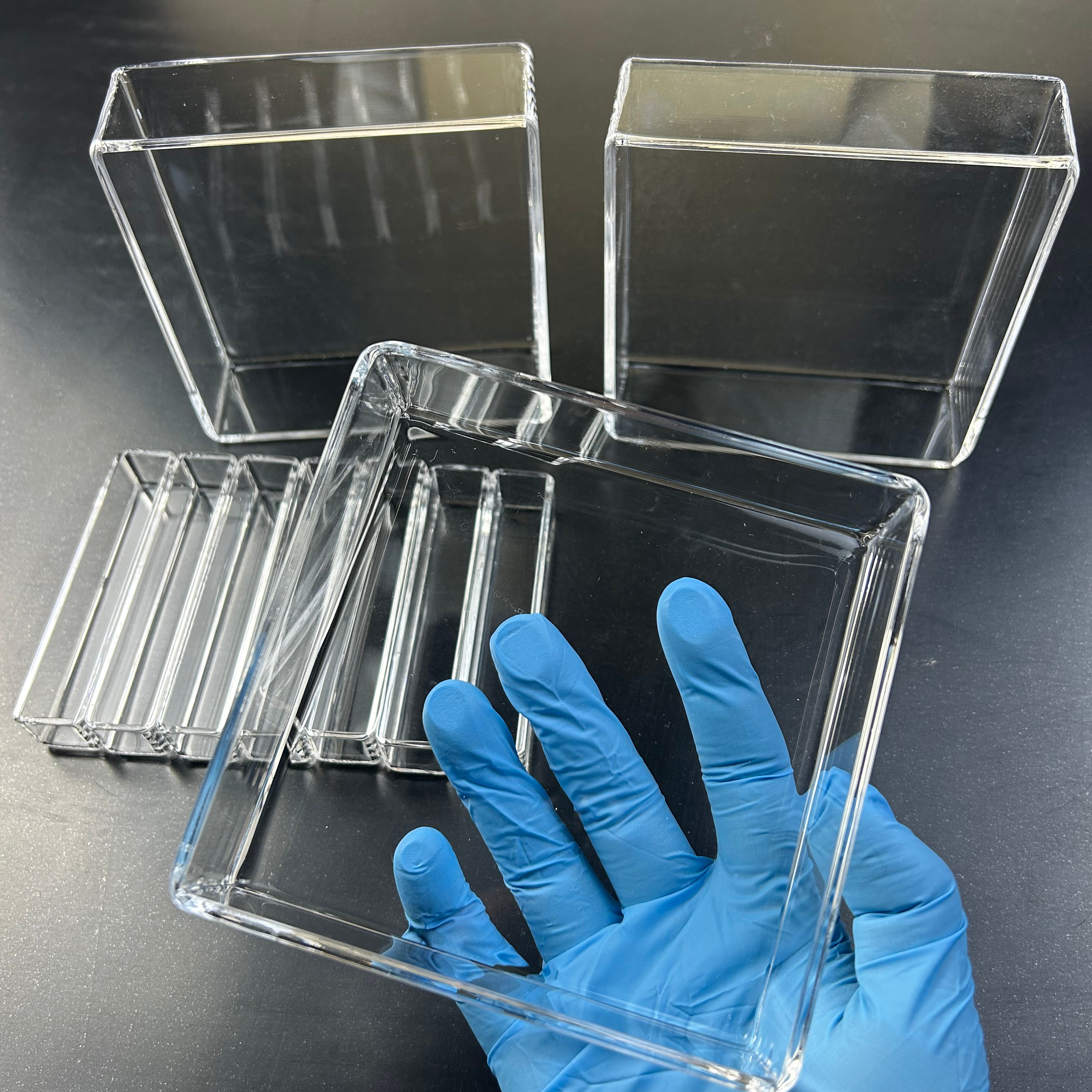
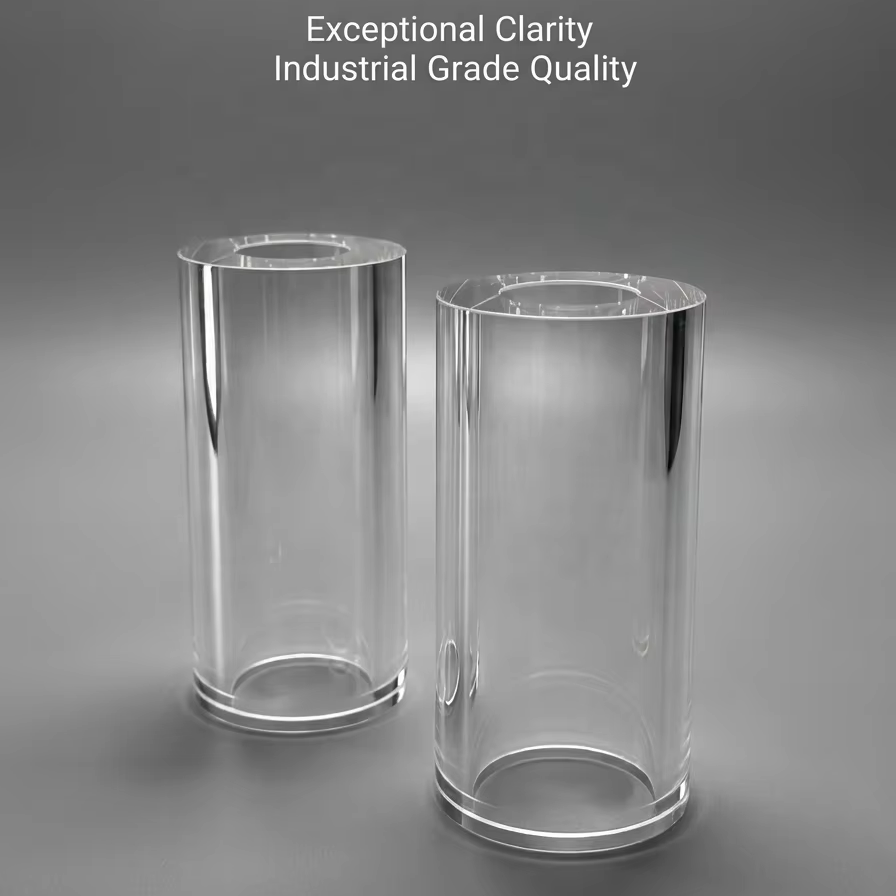
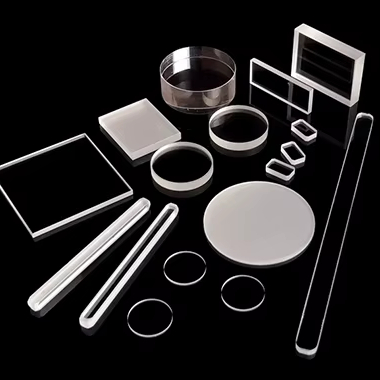
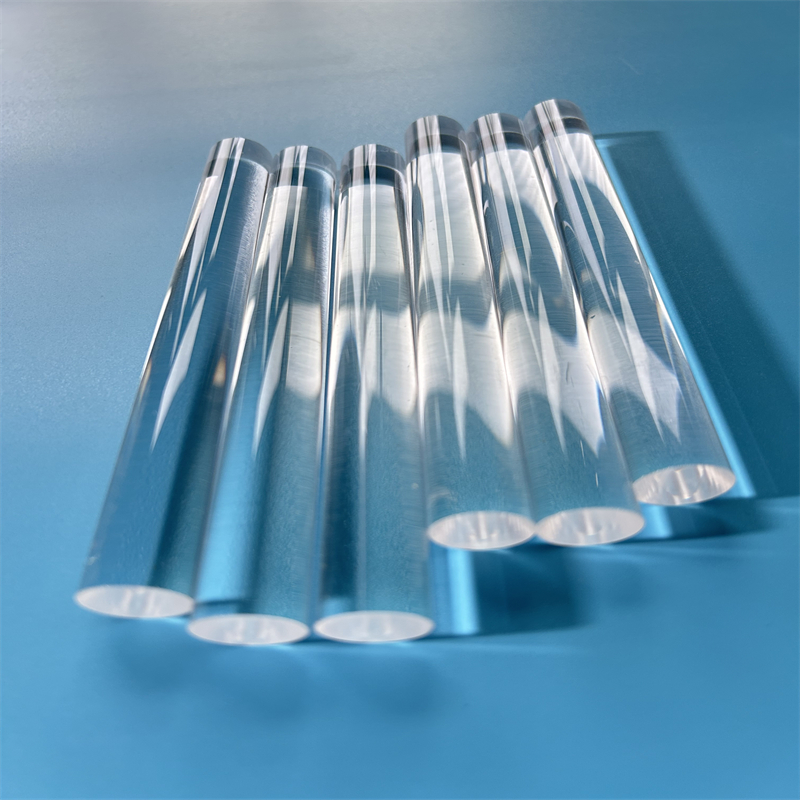

Engineering Superiority: Why Debrecen’s Advanced Manufacturing Shifts to Synthetic & Fused Quartz Vessels
In high-precision manufacturing, material leaching and thermal shock are unacceptable failure vectors. Discover how fused silica outclasses standard borosilicate 3.3 across demanding chemical and thermal parameters.
Zero Ionic Leaching in Chemical Synthesis
Standard borosilicate glass contains between 4% to 8% alkali oxides (Na2O, K2O) and 12% boric oxide (B2O3). Under sustained acidic or hydrothermal conditions, these network modifiers leach into pure electrolytes and pharmaceutical active substances. Our fused quartz bottles possess a purity profile of ≥99.99% SiO2, keeping boron, sodium, iron, and heavy metal extraction below parts-per-billion (ppb) thresholds, securing complete analytical integrity.
Extreme Thermal Shock Resilience (ΔT > 1000°C)
With an extraordinarily low linear coefficient of thermal expansion (CTE = 5.5 × 10⁻⁷ K−1), Zunex quartz glass bottles and reaction containers can withstand abrupt thermal transitions without structural fracture. A quartz vessel heated to 1150°C can be quenched instantly into ice-cold water without micro-cracking, whereas borosilicate 3.3 fails catastrophically above a ΔT of 150°C. This thermal robustness is vital for exothermic battery precursor crystallizations.
Broadband Spectral Transparency (185nm – 3500nm)
Industrial photoreactors, photochemical degradation tanks, and cleanroom monitoring vessels require precise optical transmission. Utilizing premium JGS1 synthetic silica, our transparent containers deliver over 90% internal transmittance across the deep ultraviolet band (down to 185 nm), eliminating the solarization and UV-absorption common in standard glass. JGS2 and JGS3 low-OH options provide seamless visible and infrared processing channels.
Material Performance Comparison: Fused Quartz vs. Standard Borosilicate 3.3
| Engineering Property | Zunex Fused Quartz (JGS2/GT) | Synthetic Fused Silica (JGS1) | Standard Borosilicate 3.3 | Relevance to Debrecen Facilities |
|---|---|---|---|---|
| Chemical Composition | ≥ 99.99% SiO2 | ≥ 99.999% High Purity | ~81% SiO2, 13% B2O3, 4% Na2O | Eliminates B, Na, and Al contamination in battery slurry |
| Continuous Max Temperature | 1100 °C | 1150 °C | 450 °C – 500 °C | Permits high-temperature calcination and trace digestion |
| Softening Point | approx. 1683 °C | approx. 1730 °C | approx. 820 °C | Prevents vessel slumping during high-heat exotherms |
| Thermal Expansion (CTE) | 5.5 × 10⁻⁷ / °C | 5.2 × 10⁻⁷ / °C | 33 × 10−7 / °C | Resists violent heating-cooling cycles without cracking |
| UV Transmittance @ 254nm | > 85% | > 90% (Deep UV 185nm+) | < 5% (Opaque in UV-C) | Crucial for photochemical synthesis & UV sterilizations |
| Acid Resistance (except HF) | Class 1 / Ultra-Inert | Class 1 / Maximum Inert | Class 1 / Standard | Withstands aqua regia, hot concentrated HNO3 and H2SO4 |
Custom Quartz Glass Applications Across Debrecen’s Industrial Zones
Debrecen has evolved into Eastern Central Europe's most dynamic hub for green mobility, life sciences, and advanced materials. Our exported quartzware directly integrates with localized production lines.
1. EV Battery Gigafactories & Cathode Precursor Synthesis
Debrecen’s Southern Industrial Park (Déli Ipari Park) hosts massive lithium-ion gigafactory investments (including CATL and EVE Energy ecosystem plants). These facilities demand quartz digestion vessels, customized quartz bottles for non-aqueous electrolyte storage, and quartz crucibles for high-temperature precursor calcination. Fused quartz ensures that corrosive lithium salts (such as LiPF6 in organic carbonate solvents) remain 100% free of ionic contamination, preventing dendrite-forming impurities in finished cells.
2. Active Pharmaceutical Ingredients (API) & Bioprocess Engineering
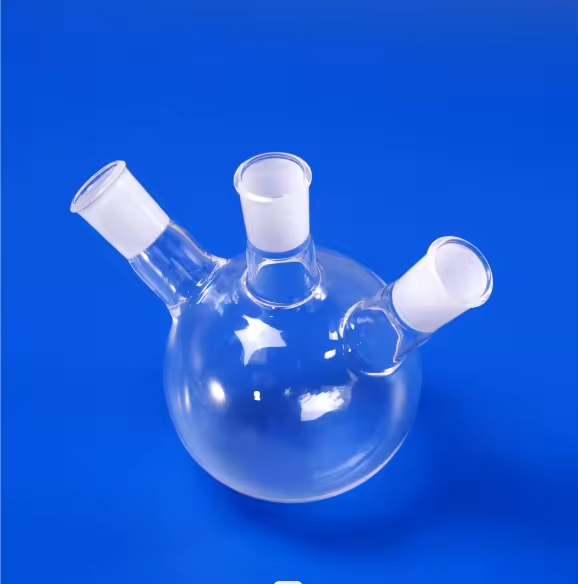
Debrecen’s centuries-old pharmaceutical heritage—anchored by facilities like Teva Gyógyszergyár and regional biotechnology research clusters—mandates sanitary, hydrolytically stable containment. Our custom ground-joint quartz reaction bottles, twin-neck distillation flasks, and chromatographic quartz columns allow aggressive organic syntheses, continuous solvent reflux, and pharmaceutical quality assurance tests without risk of extractables and leachables (E&L) contaminating GMP batches.
3. University of Debrecen & ATOMKI Nuclear Physics Labs
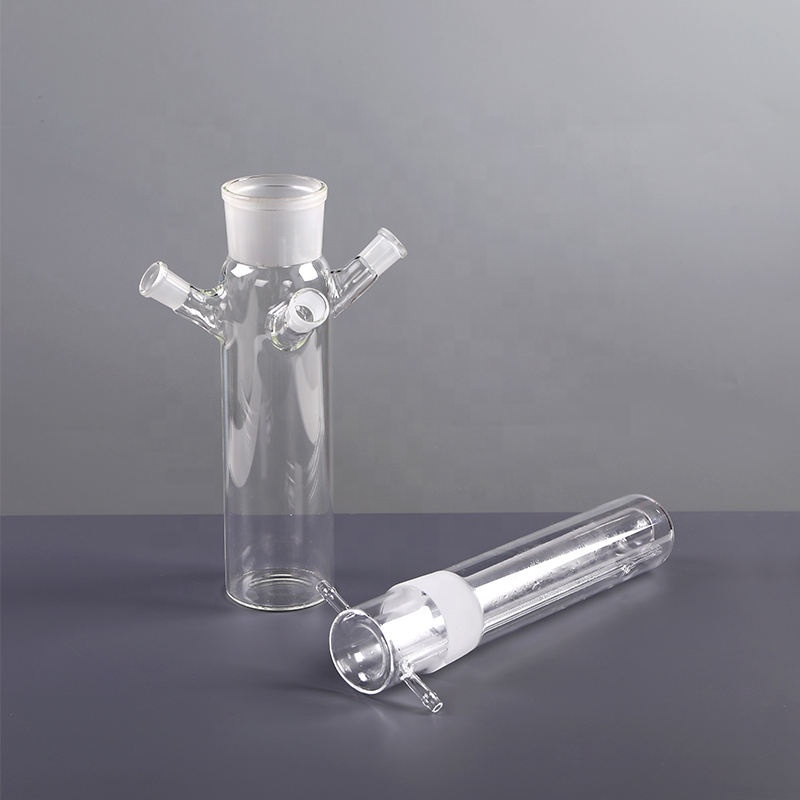
Debrecen is home to Hungary’s premier academic hub, the University of Debrecen (DE), and the Institute for Nuclear Research (ATOMKI). Academic research teams require specialized quartz ampoules, BET surface analysis sample tubes, optical quartz windows for particle acceleration chambers, and customized photochemical reactor tanks. We support small-batch prototype fabrication and complex glass-blowing adaptations strictly according to CAD/STEP models.
4. Automotive Cleanroom Sensor Assembly & Thin-Film Coating
With BMW Group Plant Debrecen inaugurating the Neue Klasse EV platform, localized automotive Tier-1 suppliers rely heavily on infrared curing, optical sensor housings, and twin-tube quartz emitters. Our precision-machined quartz light guides, laser-grooved quartz plates, and specialized quartz bell jars facilitate uniform thermal processing, anti-reflective coatings, and robotic optical testing in cleanroom environments.
Debrecen 2025–2030: Supply Chain Trends & Critical Material Procurement
Analyzing the strategic forces driving technical glass and fused quartz demand across Hungary and the Visegrád Four (V4) economies.
Localization of Battery Material Testing
As EU battery passport mandates and environmental due-diligence rules tighten, battery producers in Hajdú-Bihar county are insourcing ICP-MS trace metal analysis and electrolyte quality inspection. This demands thousands of high-purity quartz bottles, digestion vessels, and crucibles every quarter to prevent cross-contamination during testing.
Transition to High-Yield IR Heating Lines
Modern battery electrode drying and automotive paint-curing lines in Debrecen are abandoning gas convection in favor of rapid, emission-free electric infrared systems. Our customized twin-tube quartz emitters and reflectors optimize energy consumption by over 30% through targeted infrared wavelengths and precision quartz cladding.
Direct China-to-Hungary Logistics Corridors
With direct cargo rail networks (Chongqing/Xi'an to Budapest) and dedicated air freight operations connecting Zhengzhou/Shanghai to Budapest Liszt Ferenc Airport (BUD Cargo City), procurement teams in Debrecen enjoy expedited lead times of 3–7 business days for express quartz prototypes and 18–25 days for containerized factory batches.
Direct Source Capabilities: From China’s Crystal Capital to Debrecen
Zunex Quartz Products Co., Ltd. is based in Donghai County, Jiangsu—the premier worldwide hub for high-purity natural silica reserves. We eliminate intermediary markups while providing full engineering verification.
Precision Laser Processing
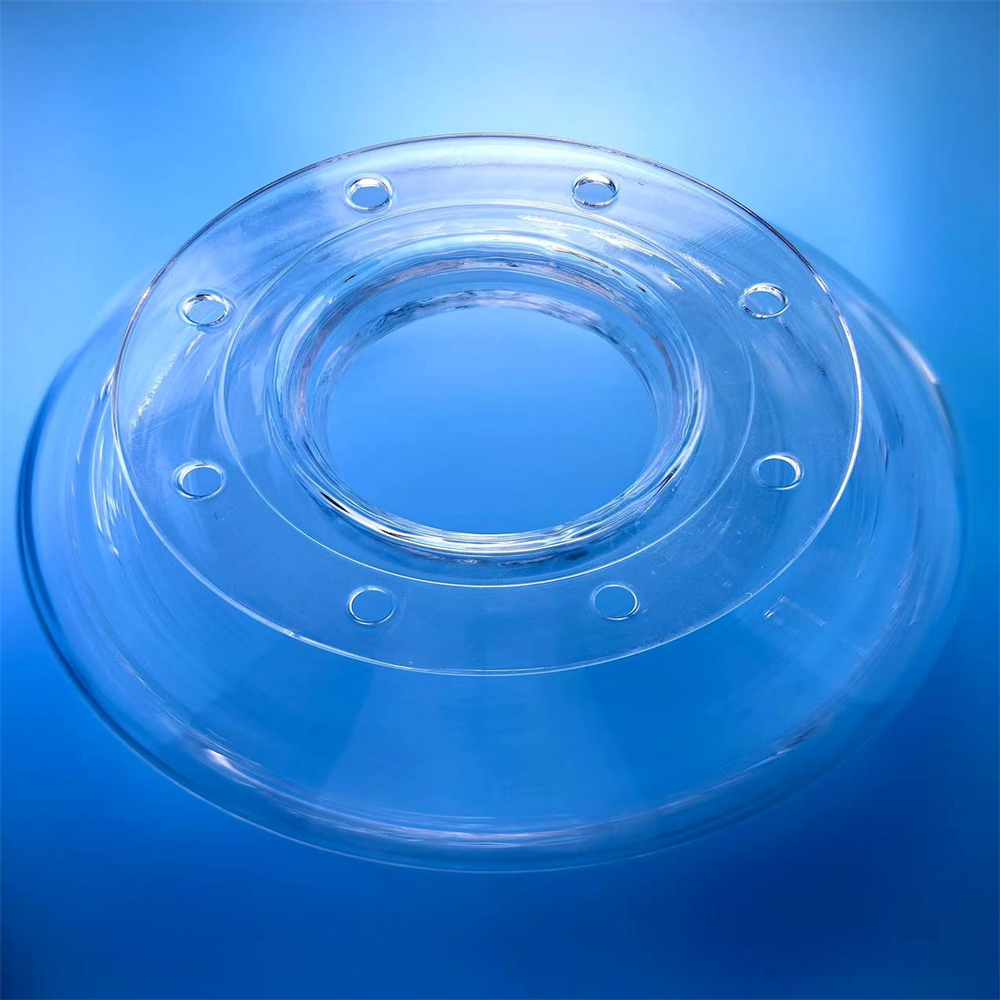
Specialized CNC laser micro-drilling, edge grooving, and cutting down to ±0.05 mm tolerance. Clean edge profiles without micro-fracturing or stress concentrators.
Master Glassblowing & Welding
Hydrogen-oxygen flame shaping of intricate quartz bottle necks, ground joints, ground-in stopcocks, internal baffle tubes, and customized flanged closures.
Dual Clean Annealing & QC
Every fabricated vessel undergoes automated vacuum stress-relief annealing to eliminate internal birefringence. 100% spectrophotometer and bubble inclusion checks.
Shockproof Export Packing
Custom-molded EPE foam, multi-layer bubble wrap, and reinforced plywood export casing engineered for zero breakage transit to Debrecen via air or sea.
Frequently Asked Questions: Sourcing Quartzware for Debrecen Plants
Direct answers for procurement managers, chemical process engineers, and research supervisors in Eastern Hungary.
Can Zunex manufacture quartz bottles and vessels according to our engineering CAD/STEP drawings?
Yes, custom fabrication to customer drawings is our core specialty. Over 80% of our production runs are built to custom specifications. You can submit 2D PDF drawings with dimensional tolerances, wall thicknesses, surface roughness specifications, or 3D STEP/DWG models. Our engineering department reviews manufacturability within two hours and confirms processing routes prior to formal quotation.
Which optical quartz grade should we select for photochemical reactors and bottles: JGS1, JGS2, or JGS3?
The choice depends strictly on your working wavelength:
• JGS1 (Synthetic Fused Silica): Recommended for deep UV applications (185 nm – 2500 nm). Ideal for UV degradation reactors, excimer laser monitoring, and spectroscopy with zero bubble inclusion.
• JGS2 (Optical Grade Quartz): Suited for standard ultraviolet and visible bands (220 nm – 2500 nm). Excellent cost-performance ratio for observation bottles, reaction cylinders, and sight glasses.
• JGS3 (Infrared Grade): Low hydroxyl (OH < 2–5 ppm) material optimized for infrared transmission up to 3500 nm, widely used in thermal analytical chambers and IR emitter envelopes.
How do you handle shipping, customs clearance, and breakage risk when shipping to Debrecen?
We provide full DDP (Delivered Duty Paid), DAP, or CIF terms directly to your factory gate in Debrecen or nearby industrial zones. Fragile quartz vessels are individually packed in form-fitted high-density EPE shock absorption foam, sealed in moisture-proof barriers, and crated in heavy-duty export plywood cases. In the rare event of transit damage documented upon arrival, Zunex provides immediate priority replacement without delaying your manufacturing timeline.
Can your quartz glass bottles withstand hydrofluoric acid or hot alkaline solutions?
Fused quartz exhibits virtually complete chemical inertia against all acids—including hot concentrated sulfuric acid, nitric acid, hydrochloric acid, and aqua regia—with only two exceptions: hydrofluoric acid (HF) and phosphoric acid at temperatures above 300°C. Strong alkaline solutions (such as concentrated NaOH or KOH) will gradually etch quartz at elevated temperatures (>60°C). For all neutral, organic, and standard acidic chemical syntheses, quartz is the most inert material available.
What is your minimum order quantity (MOQ) and production turnaround for trial batches?
We maintain an agile production approach: prototype testing and research batches have an MOQ of just 1 piece. Standard prototype turnarounds range from 5 to 10 working days depending on cold-machining complexity. Repeat mass-production batches for gigafactory production lines are accommodated with scheduled blanket orders and buffer stock management.
Are Zunex quartz components compliant with European Union REACH and RoHS standards?
Yes. All products manufactured by Zunex Quartz Products Co., Ltd. are 100% inorganic silicon dioxide (≥99.99% SiO2) free of restricted heavy metals (lead, cadmium, mercury, hexavalent chromium, PBBs, PBDEs) complying fully with EU RoHS Directive 2011/65/EU and REACH (EC 1907/2006) regulations. Certificates of Analysis (COA) and material compliance documentation are provided with each export dispatch.
Connect with Our Technical Quartz Team for Debrecen Deliveries
Whether you require standard optical quartz sample bottles, replacement reaction vessels, or custom-engineered fused silica components built to stringent CAD tolerances, our application engineers respond within two hours with full manufacturability reviews and competitive direct-factory pricing.