Precision Engineered Quartz Glass Sleeves & Twin Tubes
Direct manufacturer supply delivered across Lithuania, including the Vilnius Laser Valley, Kaunas High-Tech Campus, and Klaipėda Industrial Zone. All components conform to semiconductor-grade SiO₂ purity ≥ 99.99%.
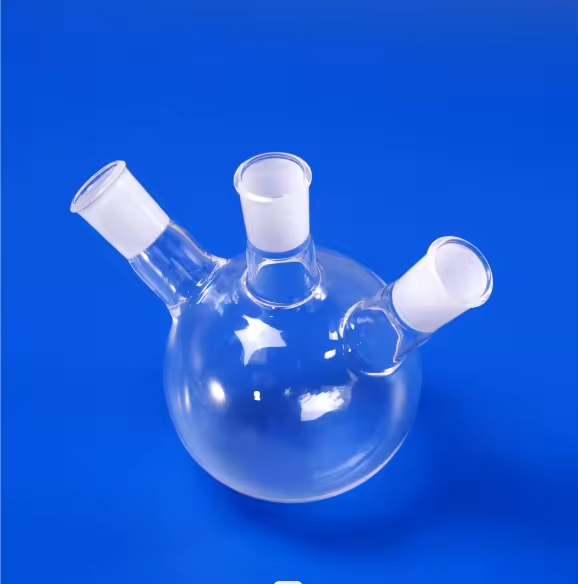
High Temperature Resistance Quartz Glass Twin Tube Flask
Technical Data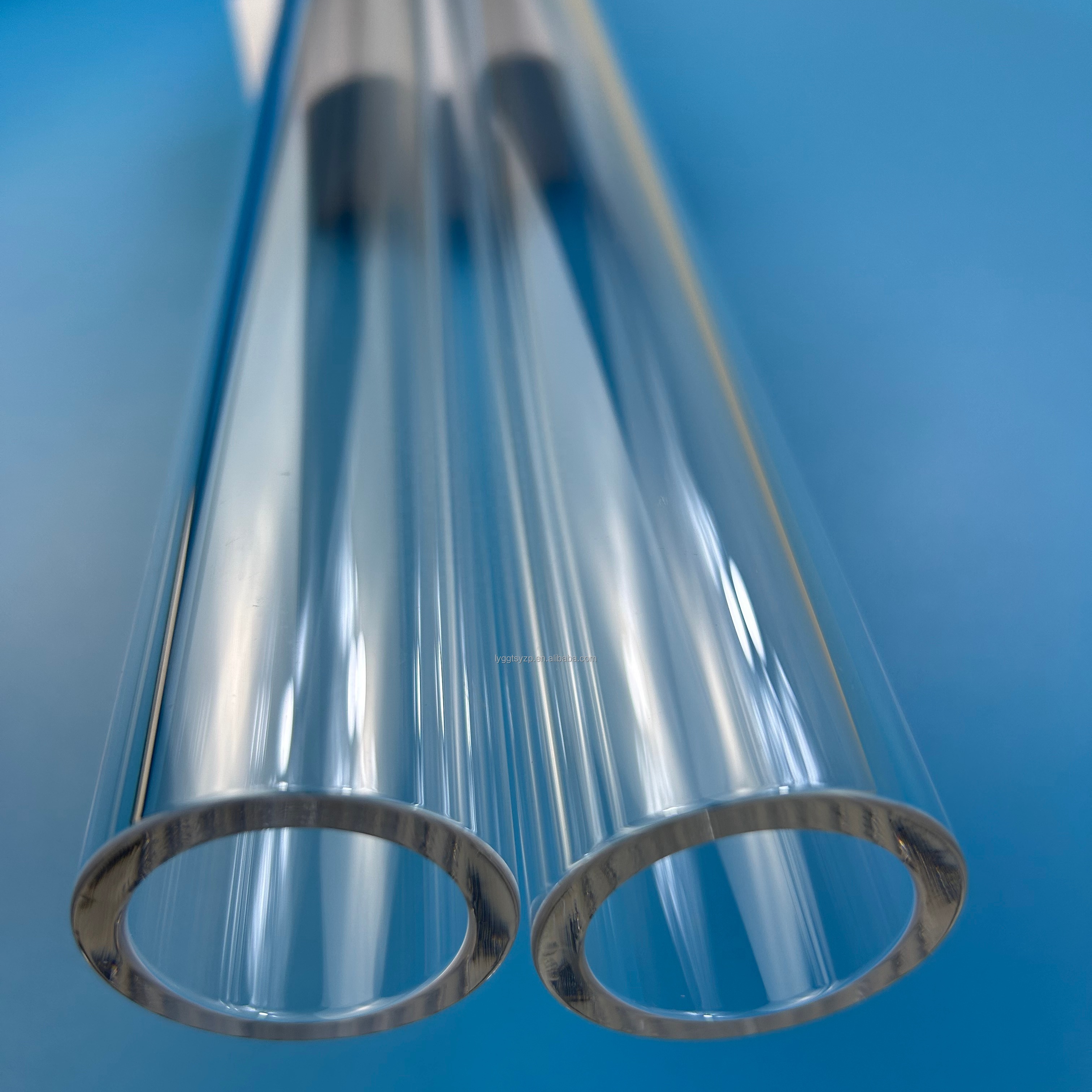
Polished Clear Quartz Twin Tube Ozone-Free Furnace Sleeves
Technical Data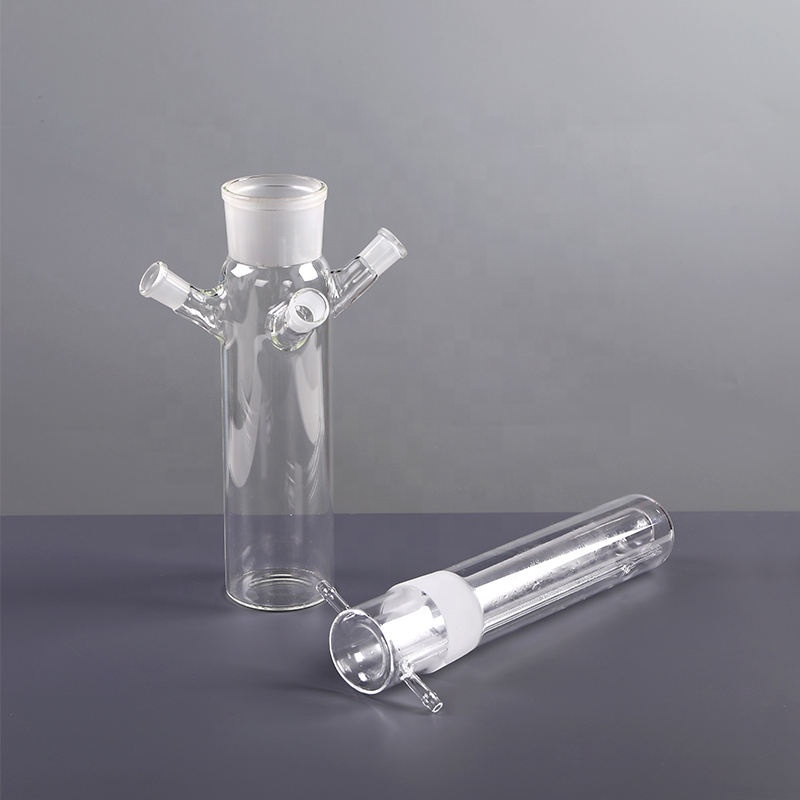
High-Purity Quartz Glass Reactor Container & Sleeves
Technical Data
Heat Resistant Clear 99.99% Pure Fused Quartz Twin Sleeve
Technical Data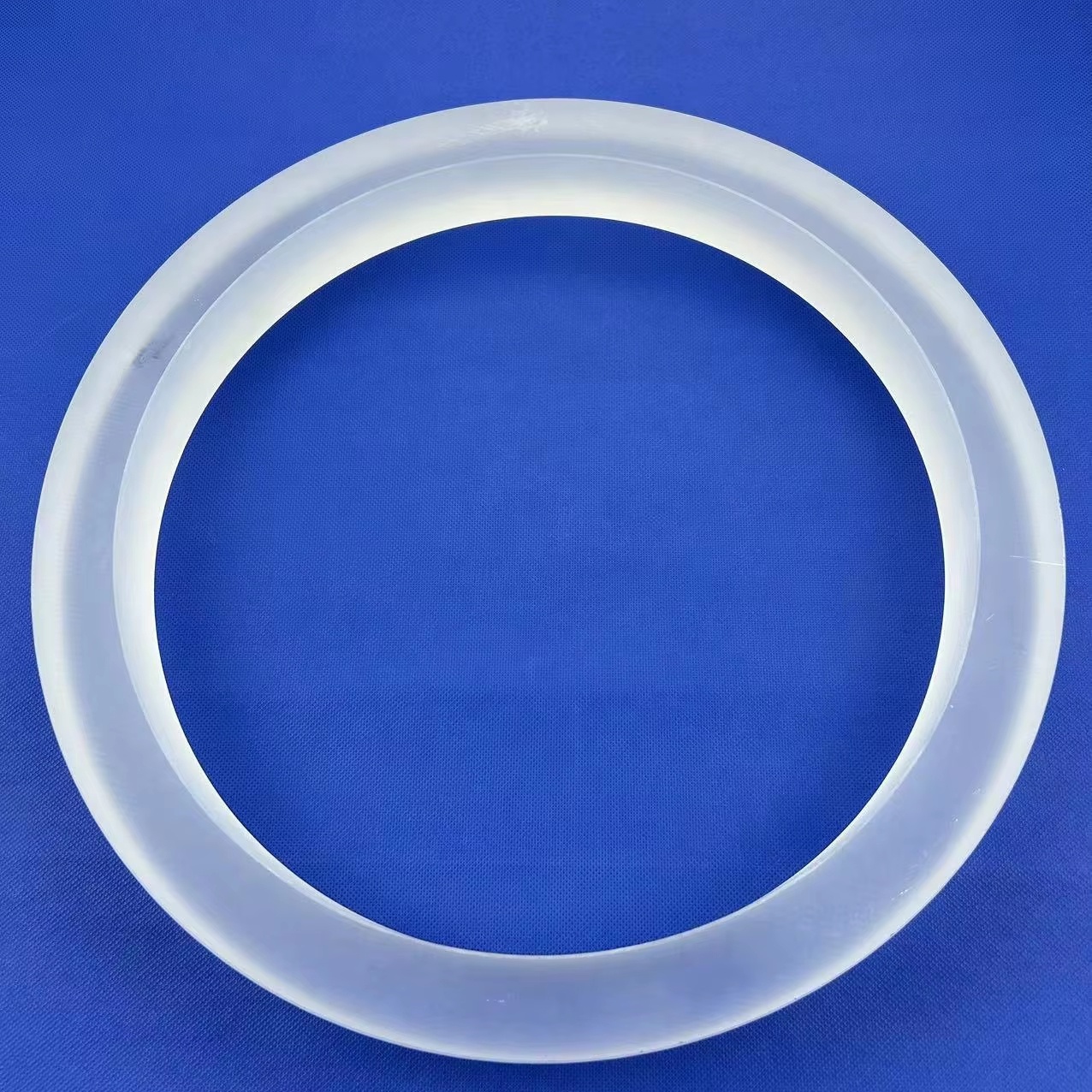
Custom Coated High-Purity Quartz Rings & Sleeves
Technical Data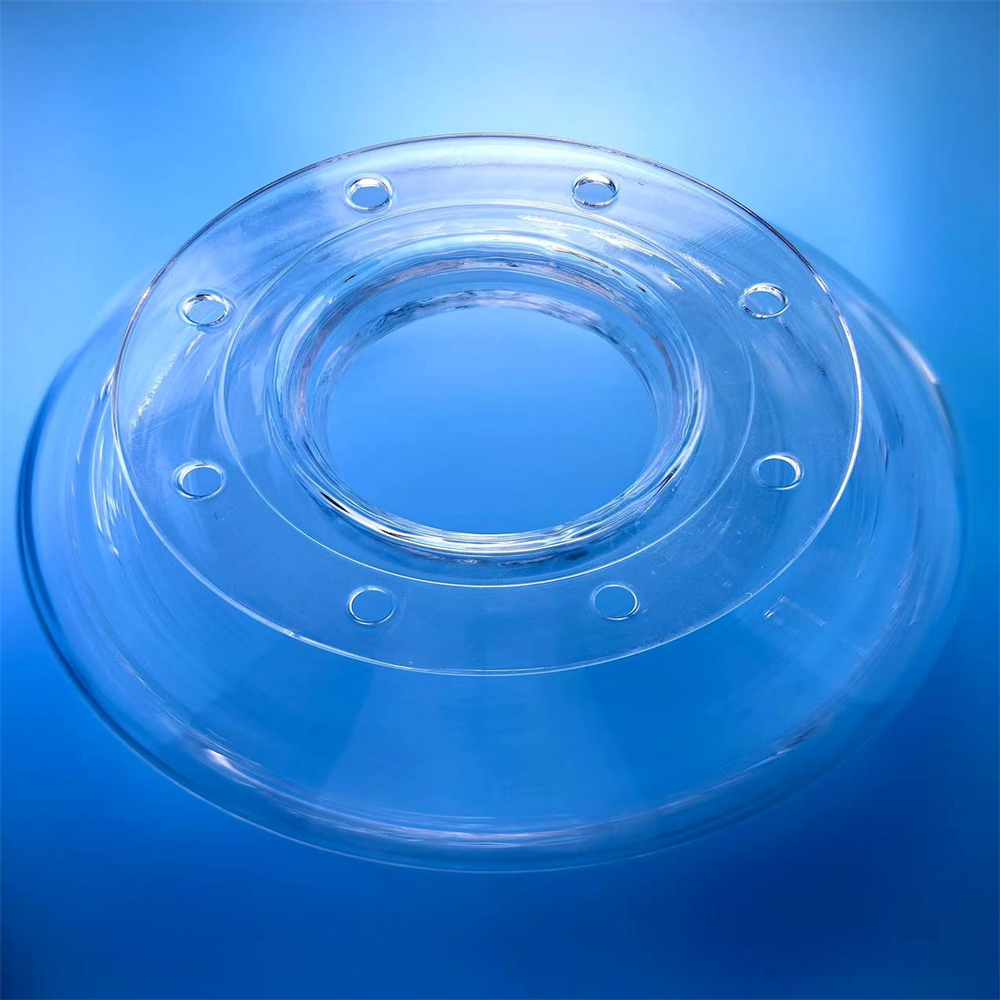
Fused Silica Polished Flanged Quartz Tube & Protective Sleeve
Technical Data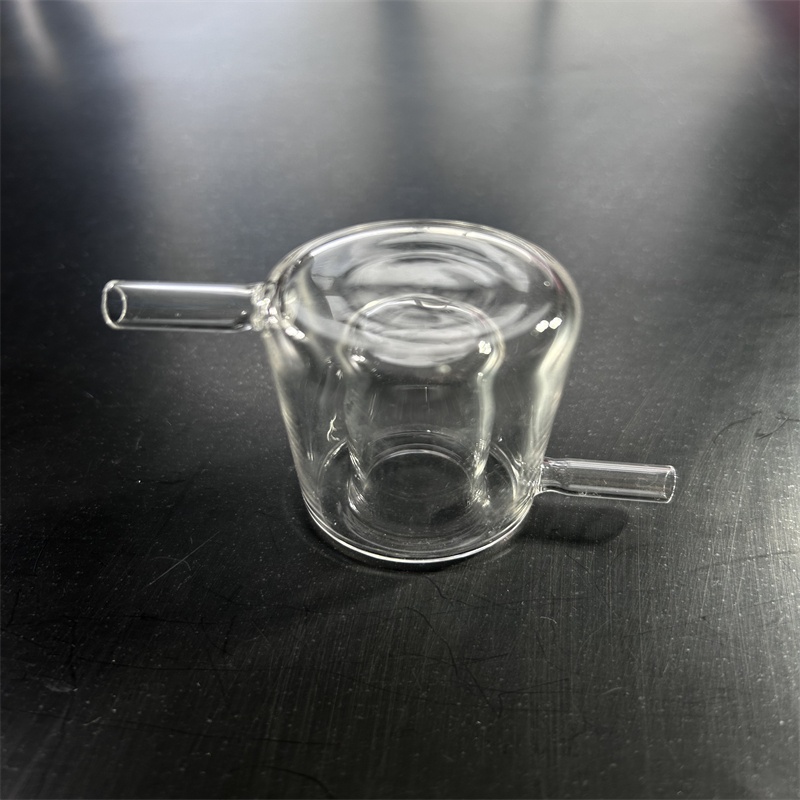
Ozone-Free High Temperature Quartz Reactor Sleeve System
Technical Data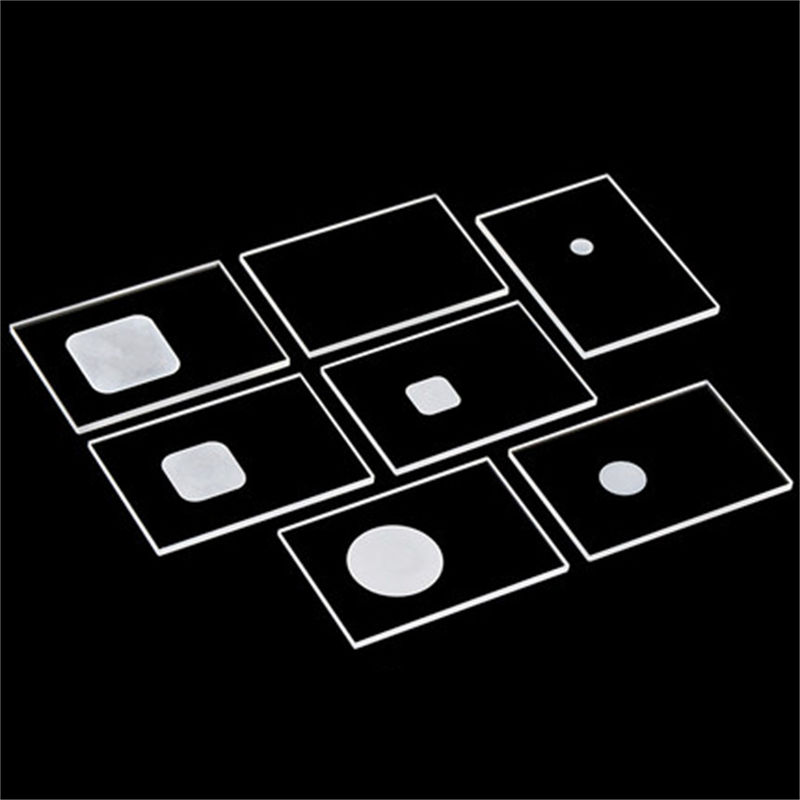
High-Temperature Fused Quartz XRD Tank Sheet & Carrier Sleeve
Technical DataEngineering Characteristics of Fused Quartz Sleeves in Critical Regimes
A comprehensive analysis of thermodynamic endurance, deep-UV transmittance, and optical stability under intense coherent radiation and corrosive atmospheres.
1. Material Science Architecture: Synthetic Fused Silica (JGS1) vs. Electric Fused Quartz (JGS2/JGS3)
In high-precision European manufacturing and research ecosystems—such as Lithuania's world-renowned laser and optoelectronics sector—selecting the appropriate grade of fused quartz sleeve is a fundamental engineering decision. A quartz glass sleeve acts not merely as a mechanical sheath, but as an optical boundary, an environmental isolation barrier, and a thermal heat sink. At Zunex Quartz Products Co., Ltd., we draw direct material feeds from Donghai County, China's definitive quartz manufacturing capital, refining silicon dioxide precursor sands and synthetic vapor silicon tetrachlorides (SiCl₄) to eliminate structural micro-inclusions.
The distinction between transmission domains dictates component performance under extreme spectral loads. JGS1 (Synthetic Fused Silica) features virtually no metallic impurities (total cation content < 1.0 ppm) and near-zero bubble clusters. It offers flawless optical transmission spanning from 185 nm to 2500 nm, rendering it essential for deep-UV (DUV) excimer exposure, laser flashlamp cooling sleeves, and advanced photocatalytic oxidation setups. JGS2 (Fused Natural Quartz) provides a rugged, cost-effective platform from 220 nm to 2500 nm, heavily leveraged across industrial water disinfection and infrared heat radiators. Meanwhile, JGS3 (Infrared Grade Fused Quartz) is processed under controlled vacuum melting conditions to purge hydroxyl ions ([OH⁻] < 5 ppm), completely eliminating the typical 2.73 μm absorption band and delivering peak transmission up to 3500 nm.
| Physical & Optical Parameter | JGS1 (Synthetic Silica) | JGS2 (Optical Quartz) | JGS3 (Low-OH Infrared) | Testing Standard |
|---|---|---|---|---|
| Deep UV Transmittance (254 nm, 1mm) | > 90.5% | > 86.0% | < 70.0% | DIN 5036 / UV-Vis Spec |
| Hydroxyl Radical Content ([OH⁻]) | ≤ 1200 ppm (or < 10 dry) | ≤ 150 - 200 ppm | ≤ 5.0 ppm (Water Free) | FTIR Spectrometry |
| Maximum Continuous Working Temp | 1100 °C | 1150 °C | 1200 °C | ASTM C623 |
| Short-Duration Softening Limit | 1683 °C | 1683 °C | 1710 °C | Thermal Dilatometry |
| Thermal Expansion Coeff. (20-300°C) | 5.5 × 10⁻⁷ K⁻¹ | 5.5 × 10⁻⁷ K⁻¹ | 5.4 × 10⁻⁷ K⁻¹ | ISO 7991 |
| Laser Induced Damage Threshold (LDT) | > 15 J/cm² @ 1064nm, 10ns | > 6 J/cm² @ 1064nm, 10ns | > 8 J/cm² @ 1064nm, 10ns | ISO 21254-2 |
2. Thermal Shock Resilience and Mechanical Envelope Precision
Lithuanian high-temperature processing operations—ranging from semiconductor thermal oxidation in Kaunas to crystal growth autoclaves—demand quartz glass sleeves capable of tolerating instantaneous delta-T (ΔT) spikes. Because our fused silica exhibits an exceptionally low linear coefficient of thermal expansion (5.5 × 10⁻⁷ /°C), a cylindrical sleeve can be repeatedly heated to 1100°C and quenched directly into 20°C cold water without micro-fracturing or catastrophic spallation.
Furthermore, our CNC flame-working, diamond wheel centerless grinding, and laser slicing shops maintain precise cylindrical concentricity. Standard outer diameter (OD) and inner diameter (ID) tolerances are held strictly within ±0.05 mm, with customized optical sleeving polished down to ±0.01 mm upon engineering request. Such geometric stability prevents parasitic localized stress concentration in flange clamp assemblies and ensures gas-tight hermetic seals under ultra-high vacuum (UHV down to 10⁻⁷ mbar) conditions.
High-Tech & Industrial Applications Across Lithuania
Supplying Vilnius, Kaunas, and Klaipėda with application-targeted quartz sleeves engineered to accelerate the Baltic region's photonics, clean water, and advanced semiconductor initiatives.
Vilnius Ultrafast Laser & Photonics Cluster
Lithuania produces over 50% of the world's scientific-grade picosecond and femtosecond optical parametric oscillators (OPOs). Our synthetic fused silica sleeves serve as high-durability flow tubes for flashlamp pumping, isolating laser rods, eliminating thermal lensing, and preventing UV degradation of active laser crystals.
Kaunas Semiconductor & Electronics Campus
As Lithuania accelerates its semiconductor infrastructure (Teltonika High-Tech Hill and European CHIPS Act partnerships), our high-purity quartz furnace tubes, carrier boats, and plasma etch sleeve liners deliver virtually zero heavy-metal outgassing during high-temperature CVD, LPCVD, and diffusion phases.
Municipal & Industrial UV Water Purification
Protecting water grids and pharmaceutical wastewater across Vilniaus Vandenys and Klaipėdos Vanduo. Our JGS2 quartz sleeves offer 90%+ UV-C transmittance at 253.7 nm, with domed, open-ended, or flanged profiles engineered to withstand high dynamic water pressures without solarization fatigue.
Biotechnology & Life Sciences Synthesis
Supporting Lithuania's thriving biotechnology sector (including life-science reagents and molecular diagnostics). Custom quartz reactor containers and digestion sleeves provide non-reactive chemical inertness against harsh boiling acids (except HF) at temperatures exceeding 800°C.
Emerging Strategic Trends Driving Quartz Demand in Lithuania
Three macroeconomic and technological shifts transforming procurement requirements for high-spec fused quartz sleeves across the Baltic and Scandinavian corridors.
Deep UV & Ultrafast Laser Power Density Scaling
As Lithuanian laser pioneers advance extreme high-harmonic generation (HHG) and high-average-power femtosecond systems, conventional borosilicate and lower-tier quartz sleeves suffer from solarization and thermal lens aberration. The industrial trend leans decisively toward synthetic JGS1 fused silica sleeves exhibiting low ppm trace metal contamination and zero structural striae to ensure long-term beam integrity.
European Semiconductor Autonomy & Baltic Fab Scaling
The expansion of cleanroom fab capacities in Vilnius and Kaunas requires dependable, resilient supply chains that can supply replacement components without excessive lead times. Direct-from-factory quartz production eliminates European middleman markups while ensuring full material batch traceability, dimension compliance to ASML/Tokyo Electron furnace profiles, and strict clean-room certified packing.
Baltic Green Transition & Chemical-Free Purification
EU environmental compliance mandates are pushing Baltic utilities and industrial effluent treatment systems toward chemical-free, energy-efficient germicidal UV-C systems. The demand for heavy-wall, ozone-free, and high-intensity twin-tube quartz sleeves is projected to rise annually by 14% as operators replace aging, mercury-leaching installations with automated UV reactor modules.
Why Lithuanian R&D Centers & Industrial Buyers Choose Zunex
Rooted in China's quartz capital, Donghai County, Zunex Quartz Products Co., Ltd. combines advanced laser finishing, flame craftsmanship, and guaranteed export logistics to European ports.
Precision Customization to Drawing
We work directly from your technical engineering drawings (AutoCAD DWG, DXF, STEP, or PDF). From complex ground joint flanges and helical coils to slotted wafer holders, our engineers verify mechanical tolerances prior to cutting.
Proprietary Laser Finishing
Micro-crack-free laser grooving, precision hole drilling, and wafer dicing. Unlike mechanical diamond drill bits which cause internal tensile micro-fissures, our CO₂ and picosecond laser drilling prevents premature thermal fracture under stress.
Verified Operational Metrics
Backed by official enterprise metrics: 100% verified inquiry response rate with an average turnaround under two hours, and a 43% repeat purchase rate from international technical procurement accounts across Europe and North America.
Secure Baltic Freight & DDP Delivery
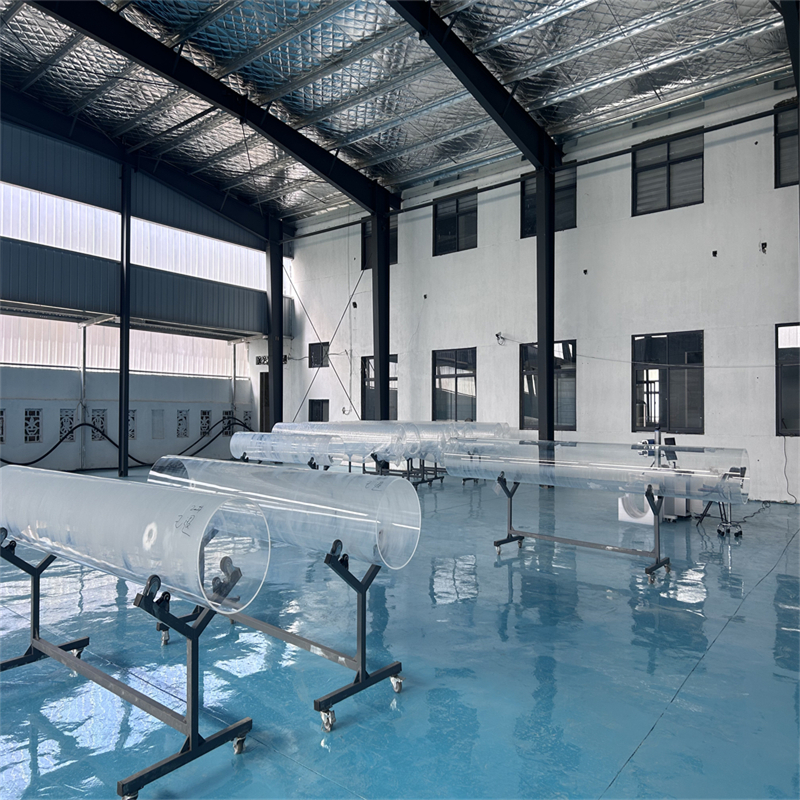
Fragile quartz tubing requires specialized packaging. We employ multi-layer PE shock-absorbent foam inserts, vacuum inner sheaths, and reinforced fumigated export wooden crates, guaranteeing zero-breakage arrival via air or sea freight straight to Lithuania.


Frequently Asked Questions by Lithuanian & Baltic Buyers
Critical considerations regarding customs clearance, technical tolerances, material testing certificates, and lead times for Lithuanian industrial and scientific teams.
What are the import procedures, customs tariffs, and delivery timelines for quartz sleeves to Lithuania?
How does Zunex prevent transit breakage during international logistics to the Baltics?
Can you supply batch-specific Spectrometric and Dimensional Inspection Reports?
What are the minimum order quantities (MOQ) for custom-machined quartz prototypes?
How do your quartz sleeves compare with standard European brands (Heraeus, Momentive)?
Initiate Your Custom Quartz RFQ for Lithuania
Upload your STEP/DWG drawings or specify dimensions, operating temperatures, and spectral requirements. Our senior glass engineers review all parameters and supply an actionable quotation within two hours.